
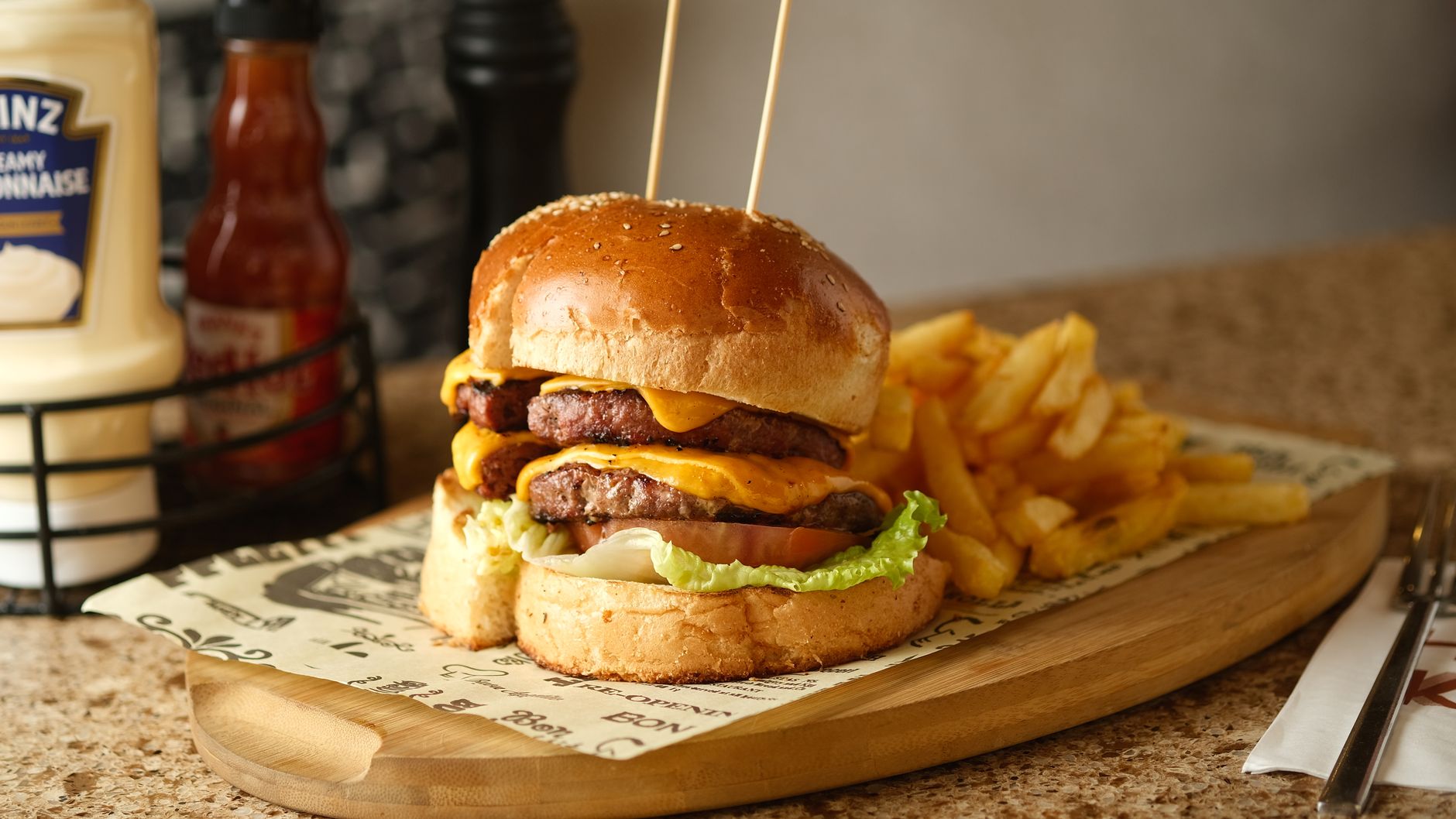
Turkey burgers are a popular alternative to traditional beef burgers, offering a leaner option without sacrificing flavor. Understanding the calorie content of a turkey burger can help you make informed decisions about your diet, especially if you’re trying to maintain a healthy lifestyle.
In this article, we will delve into how many calories are in a turkey burger, discuss its nutritional profile, and offer portion sizes, cooking methods, and tips for enhancing flavor while keeping health in mind.
How Many Calories Is a Turkey Burger?
The number of calories in a turkey burger can vary significantly based on the preparation method, size, and additional ingredients. On average, a standard 4-ounce turkey burger patty contains approximately 160 to 200 calories. This calorie range primarily depends on the fat content of the ground turkey used, with leaner options containing fewer calories.
Nutritional Breakdown of a Turkey Burger
Besides calories, examining the nutritional breakdown of a turkey burger is crucial for understanding its health benefits. A typical 4-ounce turkey burger may contain:
- Protein: 22 to 24 grams
- Fat: 8 to 12 grams
- Carbohydrates: 0 to 1 gram
- Sodium: 200 to 400 milligrams
Turkey is a great source of protein, which is essential for building and repairing tissues. The fat content can vary based on whether you’ve chosen ground turkey breast (leaner) or a mixture that includes dark meat (fattier). A turkey burger also typically contains minimal carbohydrates, making it suitable for low-carb diets.
Portion Sizes and Serving Suggestions
When it comes to portion sizes, a single turkey burger typically weighs around four ounces, which is considered an appropriate serving. However, many people enjoy larger burgers, so it’s worth noting that larger patties can significantly increase the calorie count.
Consider these serving suggestions:
- Serve your turkey burger with whole-grain buns, which add fiber and nutrients.
- Add fresh toppings like lettuce, tomatoes, and onions to enhance flavor without adding excessive calories.
- Include a side of vegetables or a salad instead of fries for a healthier balance.
Cooking Methods and Their Impact on Calories
How you cook your turkey burger can affect its calorie content. Here are common cooking methods and their typical calorie profiles:
Grilling
Grilling is a popular method that adds flavor while allowing excess fat to drip away. A grilled turkey burger typically retains its calorie range of 160 to 200 calories per patty.
Baking
Baking is another healthy option that doesn’t significantly alter the calorie count. An oven-baked turkey burger can still come in at about 160 to 200 calories, assuming no extra toppings or sauces are added prior to baking.
Pan-frying
Pan-frying can add additional calories due to the oil used. If you use a tablespoon of oil for cooking, it can add an extra 120 calories to your burger. To maintain a lower calorie count, use a non-stick pan or opt for minimal oil.
Note on Preparation
Homemade turkey burgers allow for control over ingredients and cooking methods, which can affect calorie counts. Store-bought patties may have added preservatives and sugars that can increase calories.
Enhancing Flavor While Keeping Calories in Check
If you’re looking to enhance the flavor of your turkey burger without adding many calories, consider the following tips:
- Use herbs and spices like garlic powder, onion powder, or paprika to season the meat.
- Incorporate finely chopped vegetables like onions or bell peppers into the patty for added moisture and flavor.
- Choose low-calorie condiments such as mustard or salsa instead of mayonnaise or sauces with high sugar content.
Turkey Burgers: Variations and Substitutions
There are countless ways to customize turkey burgers to suit your taste. Substitutions can affect calories as well. Here are some popular options:
Ground Turkey Variants
Depending on your taste preferences or dietary needs, you can choose:
- Ground turkey breast: Leaner and lower in calories.
- Ground turkey thigh: More flavorful but higher in calories and fat.
Ingredient Substitutions
To modify the caloric content while maintaining taste, consider the following substitutions:
- Instead of a traditional burger bun, use lettuce wraps or a portobello mushroom cap.
- Replace dairy-based cheese with plant-based cheese to lower calories.
- Use Greek yogurt instead of mayonnaise for a creamy texture without added calories.
Common Mistakes When Making Turkey Burgers
To achieve the best turkey burger while keeping calories in check, avoid these common mistakes:
- Overcooking the patties can result in dry burgers. Aim for an internal temperature of 165°F for safe consumption.
- Using overly fatty ground turkey can increase calorie content without adding meaningful flavor.
- Loading up on high-calorie condiments can quickly turn a healthy meal into a caloric overload.
Storage and Reheating Tips
If you have leftover turkey burgers, proper storage is crucial for maintaining flavor and freshness. Here’s how to store and reheat them:
Storage
- Refrigerate any cooked turkey burgers in an airtight container for up to 4 days.
- For longer storage, freeze cooked turkey burgers wrapped tightly in plastic wrap and then in aluminum foil. They can last up to 4 months in the freezer.
Reheating
To reheat turkey burgers:
- Thaw the burgers in the refrigerator overnight if frozen.
- Reheat in the microwave on medium power until heated through—about 1 to 2 minutes for each burger.
- Alternatively, reheat in a skillet over medium heat, turning occasionally until warmed evenly.
Conclusion
Understanding how many calories are in a turkey burger can help you make more informed dietary choices. With an average of 160 to 200 calories per 4-ounce serving, turkey burgers can fit into a balanced diet, especially when paired with healthy toppings and sides. Remember to be mindful of cooking methods and ingredient choices to keep the calorie count in check while still enjoying a delicious meal.
For more cooking tips, check out articles on calories in pho or calories in scrambled eggs. Happy cooking!