
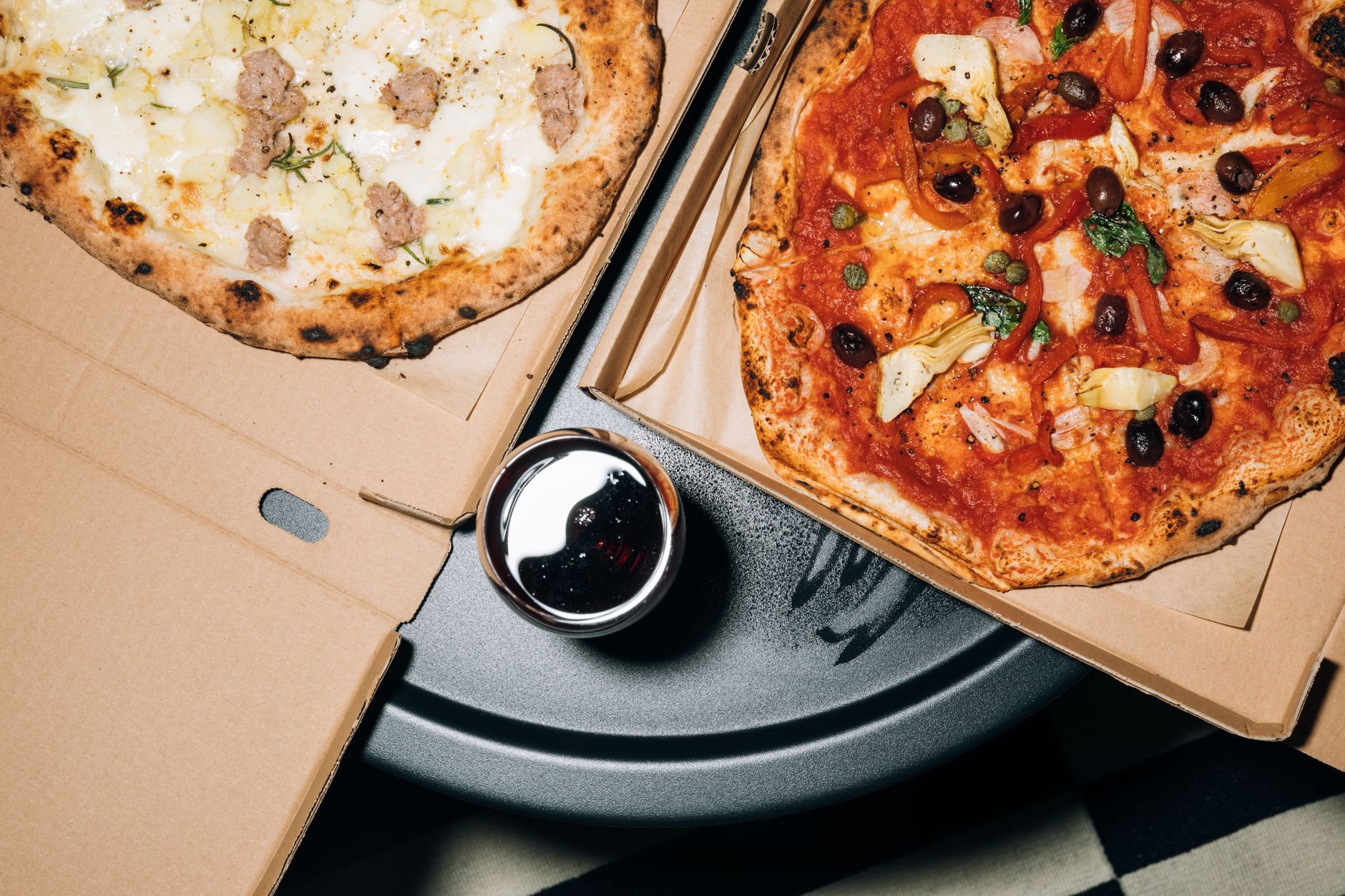
Pizza is one of the most beloved dishes worldwide, offering a wide variety of flavors, combinations, and styles. As indulgent as it is delicious, many individuals wonder about the caloric content of their favorite pizza — particularly when it comes to sharing or deciding how many slices to enjoy. This article delves into the specifics of calorie content in two slices of pizza, including variations in toppings, crust types, and serving sizes.
Understanding the caloric content can help in meal planning, dietary preferences, or simply being mindful of nutritional intake. This comprehensive guide will provide valuable information on how many calories are in two slices of pizza, allowing for better decisions when it comes to your next pizza night.
How Many Calories in Two Slices of Pizza?
The number of calories in two slices of pizza can range significantly based on various factors including the size of the slices, the type of crust, and the toppings used. On average, two slices of a standard hand-tossed cheese pizza contain approximately 400 to 600 calories. Factors that influence this calorie range include whether the pizza is thin, thick, or stuffed crust and what toppings are added.
Factors Affecting Caloric Content
Several key factors play a significant role in determining how many calories are in two slices of pizza:
1. Pizza Size
The size of the pizza impacts the caloric content significantly. A standard large pizza may be cut into 8 slices, while a smaller pizza may only have 6. Thus, the calorie count per slice varies accordingly. Larger slices naturally contain more calories.
2. Crust Type
The type of crust can make a substantial difference:
- Thin Crust: Generally lighter and has fewer calories. A slice varies between 100 to 150 calories.
- Hand-Tossed Crust: Most ubiquitous and can have about 150 to 200 calories per slice.
- Thick or Stuffed Crust: Often the most indulgent choice with calorie counts in the range of 200 to 300 calories per slice.
3. Toppings
The toppings on the pizza are another crucial factor in determining its calorie content. Here’s a breakdown of common pizza toppings:
- Pepperoni: Adds around 50 to 100 calories per slice.
- Vegetables: Usually lower in calories, adding around 20 to 50 calories depending on the types used.
- Extra Cheese: Can add an additional 50 to 100 calories per slice.
- Meat Toppings: Such as sausage or bacon can elevate the calorie count significantly, often adding 100 to 150 calories per slice.
Typical Caloric Values by Pizza Type
To give you a clearer picture, here’s a table detailing typical calorie counts for various types of pizza based on fillings and crust types:
| Pizza Type | Calories (per slice) | Calories (in two slices) |
|---|---|---|
| Cheese (Thin Crust) | 120 | 240 |
| Pepperoni (Hand-Tossed) | 220 | 440 |
| Veggie (Thick Crust) | 250 | 500 |
| Sausage & Cheese (Stuffed Crust) | 340 | 680 |
How to Make Healthier Pizza Choices
Understanding the caloric content of your pizza can help you make healthier choices without sacrificing flavor. Here are some tips for enjoying pizza more mindfully:
1. Opt for Thin Crust
Choosing thin crust over thicker options can significantly reduce calorie counts. Thin crust pizzas maximize the flavor of the toppings while minimizing extra carbs.
2. Load Up on Veggies
Adding vegetables to your pizza not only enhances flavor and texture but also increases nutritional value without adding many calories. Options like bell peppers, onions, mushrooms, and spinach keep calories in check.
3. Choose Lean Proteins
Opt for lean protein options such as grilled chicken or turkey over high-calorie meats like sausage and pepperoni. This choice can save you significant calories.
4. Control Portion Sizes
Instead of indulging in multiple slices, sticking to two slices allows you to enjoy your favorite dish while managing caloric intake. Pair your pizza with a salad for balance and volume.
Caloric Considerations for Different Dietary Preferences
When selecting or making pizza to fit various dietary preferences, consider the following tactics:
1. Vegetarian Pizza
Vegetarian pizzas focusing on a variety of vegetables tend to be lower in calories. Look for options with a range of colorful toppings, making for a delicious and nutritious meal.
2. Vegan Pizza
Opt for vegan cheese or a cheese-free base with plenty of veggies to minimize calories while retaining flavor. Many pizzerias offer this as a healthier alternative.
3. Gluten-Free Pizza
Gluten-free crusts can be higher in calories, so be mindful of additional toppings that can quickly add to the total count. Focus on vegetable toppings for lower-calorie options.
Homemade Pizza Options
Creating your pizza at home allows you to control ingredients and caloric intake. Here’s a simple guideline to make your homemade pizza:
Essential Equipment
- Pizza stone or baking sheet
- Rolling pin
- Pizza cutter
- Mixing bowl
- Oven
Basic Ingredients
- Pizza dough (store-bought or homemade)
- Pizza sauce
- Shredded cheese (mozzarella, low-fat, or vegan)
- Desired toppings (vegetables, lean meats, herbs)
Homemade Pizza Method
- Preheat your oven to 475°F (245°C).
- Roll out the dough on a floured surface to your desired thickness.
- Transfer the rolled dough to a pizza stone or baking sheet.
- Spread pizza sauce evenly over the base.
- Add cheese and selected toppings.
- Bake in the oven for about 12-15 minutes, or until the crust is golden and the cheese is bubbly.
- Let cool for a few minutes, then slice and serve!
Common Mistakes to Avoid
When enjoying or preparing pizza, be aware of these common pitfalls:
- Overloading toppings can lead to unnecessarily high calorie counts.
- Not measuring portion sizes can lead to unintentional overconsumption.
- Choosing calories without regard to nutritional value can lead to poor meal choices.
Storage and Reheating Pizza
If you find yourself with leftovers, proper storage is crucial to maintain quality. Here’s how to store and reheat pizza effectively:
Storing Pizza
- Let pizza cool completely before storing.
- Wrap individual slices in plastic wrap or aluminum foil, or store in an airtight container.
- Refrigerate leftovers to maintain freshness for 3-4 days.
Reheating Pizza
- Use the oven at 375°F (190°C) for about 10-15 minutes for a crispy texture.
- Microwave for 30 seconds to 1 minute for a quick reheat, knowing this may result in a softer crust.
- Consider reheating in a skillet to retain crispiness.
Understanding the caloric content of your pizza, alongside practical tips and options for making more mindful choices, can lead to a satisfying dining experience without excessive calorie intake. Enjoying pizza can fit into a balanced diet with some adjustments and considerations.
With this knowledge, you’re now better equipped to assess the caloric content of your next pizza order or homemade creation. Remember to balance your choices with nutritious toppings and mindful portion sizes. Explore related recipes, cooking tips, or food guides for more information on culinary delights like scrambled eggs or tips for feeding a crowd with pizza. Happy pizza-making!