
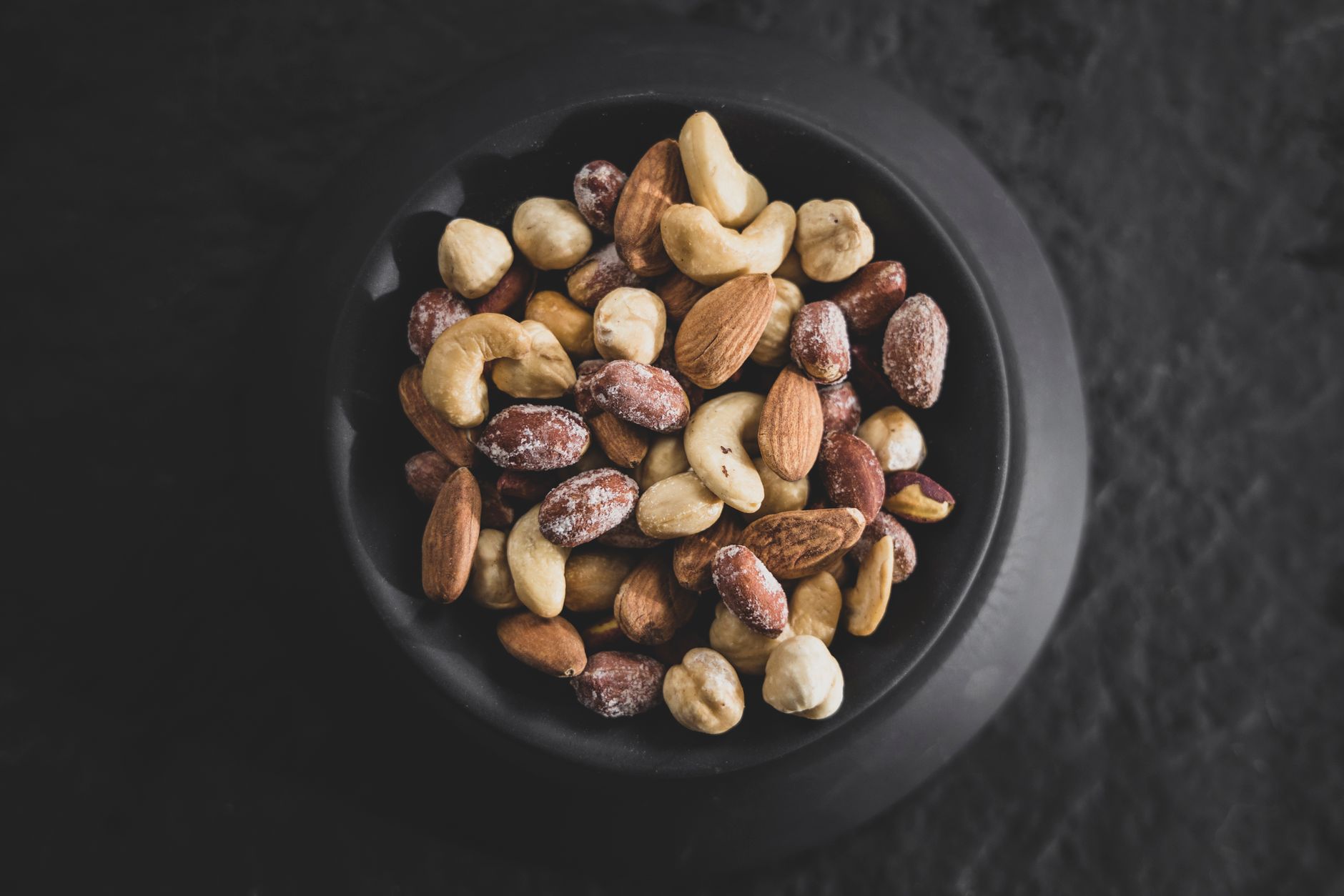
Nuts are a delicious and versatile snack, commonly enjoyed for their rich flavors and crunchy textures. They are also packed with nutrients, making them popular in various diets. However, if you’re conscious about your calorie intake, you might wonder how many calories are in different types of nuts. This article will explore the calorie content of various nuts, their nutritional profiles, serving sizes, and more.
Knowing how many calories are in nuts is essential for meal planning and maintaining a balanced diet. Whether you enjoy them raw, roasted, or as part of a dish, understanding their calorie content can help you make informed dietary choices.
How Many Calories in Nuts?
The calorie count in nuts varies based on the type. Generally, nuts have a higher fat content, which contributes to their calorie density. Most nuts contain between 160 and 200 calories per ounce (28 grams). This section delves into the specifics of popular nuts and their calorie content.
Calorie Content of Common Nuts
| Nuts | Calories per 1 oz (28g) | Calories per 100g |
|---|---|---|
| Almonds | 164 | 576 |
| Cashews | 157 | 553 |
| Pistachios | 159 | 562 |
| Walnuts | 185 | 654 |
| Pecans | 196 | 691 |
| Brazil nuts | 187 | 659 |
| Hazelnuts | 178 | 628 |
| Macadamia nuts | 204 | 718 |
Nutritional Profile of Nuts
Nuts are not only a source of calories but are also packed with beneficial nutrients. Here’s a summary of their nutritional profiles:
- Healthy Fats: Nuts contain monounsaturated and polyunsaturated fats, which can support heart health. They help lower bad cholesterol (LDL) while raising good cholesterol (HDL).
- Protein: Nuts provide a decent amount of protein, making them a valuable option for vegetarians and vegans looking to increase their protein intake.
- Fiber: High in dietary fiber, nuts can aid in digestion and support a healthy gut microbiome.
- Vitamins and Minerals: Nuts are rich in essential nutrients, including vitamin E, magnesium, phosphorus, potassium, and folate.
- Antioxidants: Many nuts contain antioxidants, which can help protect the body from oxidative stress and inflammation.
Serving Sizes and Recommendations
When it comes to nuts, moderation is key. While they offer numerous health benefits, they are calorie-dense, which means it’s easy to overconsume them. The American Heart Association recommends a serving size of about 1 ounce (approximately a small handful) of nuts per day.
This portion typically consists of:
- About 23 almonds
- 16 cashews
- 49 pistachios
- 14 halves of walnuts
- 19 pecan halves
- 6 large Brazil nuts
- 21 hazelnuts
- 10-12 macadamia nuts
Tips for Including Nuts in Your Diet
Here are some practical tips on how to incorporate nuts into your diet without overwhelming your calorie intake:
- Snack Smart: Enjoy a small handful of nuts as a satisfying snack between meals to curb cravings.
- Add to Salads: Toss nuts into your salads for an added crunch and nutritional boost.
- Use in Baking: Incorporate chopped nuts into baked goods like muffins and cookies for flavor and texture.
- Nut Butters: Use natural nut butters (like almond or cashew butter) as a spread on toast or in smoothies.
- Trail Mix: Create your own trail mix by combining your favorite nuts with dried fruits and seeds for a portable snack.
Potential Health Benefits of Nuts
Including nuts in your diet may provide several health benefits, although it is important to maintain a balanced diet overall. Research has shown that nuts can contribute to:
- Heart Health: Regular nut consumption is associated with a reduced risk of heart disease due to their healthy fat content.
- Weight Control: Nuts can promote feelings of fullness, which might assist in weight management by reducing overall calorie intake.
- Blood Sugar Control: Some studies suggest nuts may help with glycemic control, making them beneficial for blood sugar management.
- Brain Health: Certain types of nuts, such as walnuts, have been linked to improved cognitive function.
Common Mistakes When Consuming Nuts
To make the most of the health benefits of nuts, avoid these common mistakes:
- Mindless Eating: It’s easy to overeat nuts. Always portion them out to avoid consuming too many calories.
- Choosing Salty Varieties: Opt for raw or dry-roasted nuts instead of those coated in salt or sugar, which can add unnecessary calories.
- Neglecting Allergies: Be aware of nut allergies, which are common. Always check ingredients if you’re sharing food or trying new products.
Storage and Freshness
Proper storage helps keep nuts fresh and maintains their nutritional value. Follow these tips:
- Airtight Containers: Store nuts in airtight containers to prevent exposure to air, which can cause them to go rancid.
- Cool and Dark Places: Keep them in a cool, dark place, such as a pantry. For long-term storage, you can refrigerate them.
- Check for Freshness: Always check for signs of spoilage, such as an off smell or bitter taste.
How to Incorporate Different Nuts into Your Meals
Diverse nuts can add flavor and nutrition to your meals. Here are some suggestions:
Almonds
Use sliced almonds as a topping for yogurt, oatmeal, or salads. Almond flour can also serve as a gluten-free alternative in baking.
Walnuts
Add walnuts to your breakfast by incorporating them into smoothies or oatmeal, or use them in baked goods like brownies for a rich flavor.
Cashews
Cashews can be blended into creamy sauces for pasta or used to make rich curries. They are also popular in vegan cheese recipes.
Pistachios
These can be enjoyed on their own or added to desserts like ice cream and gelato for a pop of color and texture.
Pecans
Pecans are great in pies, salads, and as a topping for sweet potatoes. They can also be toasted for an added crunch.
Conclusion
Nuts can be a nutritious addition to your diet when consumed in moderation. With varying calorie content and beneficial nutrients, they offer versatility in meals and snacks. By understanding their nutritional value, you can enjoy the flavors and health benefits of nuts while keeping your calorie count in check. Next time you’re considering a snack, think nuts!
For more on how nuts can fit into your diet, check out our articles on what walnuts are good for and try out our candied walnuts recipe for a delicious way to enjoy this nutritious nut.