
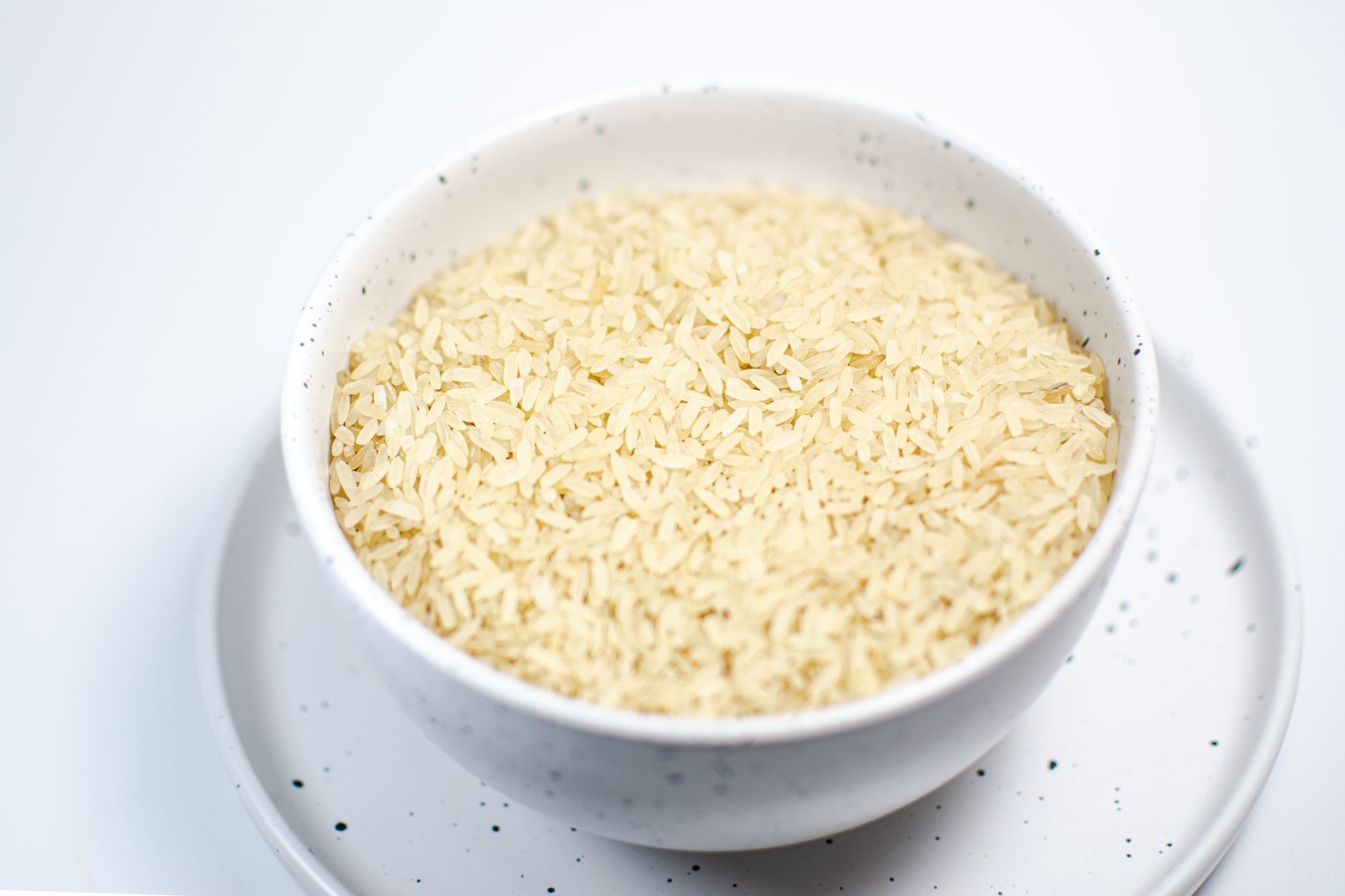
Jasmine rice is a fragrant, long-grain rice variety that has become a staple in many kitchens around the world. Known for its delicate floral aroma and slightly sticky texture, jasmine rice pairs well with a variety of dishes, from stir-fries to curries. If you’re curious about the nutritional profile of this beloved grain, you’ve likely wondered about the calorie content and how it fits into your meal planning.
This comprehensive guide explores the number of calories in jasmine rice, variations in calorie counts based on serving sizes, and practical tips for incorporating it into your diet effectively.
How Many Calories in Jasmine Rice?
One cup of cooked jasmine rice contains approximately 205 calories. However, the exact number may vary slightly based on the cooking method and any additional ingredients used during preparation. Understanding these variations can help you make better choices when planning meals.
Nutritional Breakdown of Jasmine Rice
Jasmine rice is more than just a source of calories; it offers several nutritional benefits as well. Each serving of cooked jasmine rice provides essential nutrients that can contribute to a balanced diet.
- Carbohydrates: Jasmine rice is primarily composed of carbohydrates, providing about 45 grams per cooked cup.
- Protein: It contains around 4 grams of protein, helping to contribute to your daily intake.
- Fats: This rice is very low in fats, with around 0.5 grams per serving.
- Fiber: Jasmine rice has minimal dietary fiber, around 1 gram per cooked cup.
- Vitamins and Minerals: While not a major source of vitamins and minerals, jasmine rice does contain small amounts of B vitamins and iron.
Caloric Differences by Serving Size
The calorie count in jasmine rice varies based on the serving size and preparation method. Here’s a breakdown of the average calorie content based on different serving sizes.
| Serving Size | Calories |
|---|---|
| 1/4 cup dry (before cooking) | 180 calories |
| 1/2 cup cooked | 103 calories |
| 1 cup cooked | 205 calories |
| 1.5 cups cooked | 307 calories |
Cooking Methods and Their Impact on Calories
The calorie count in jasmine rice can also be influenced by the cooking method. Here are a few common methods and their implications:
- Boiled or Steamed: Cooking jasmine rice in boiling water or steam typically retains its caloric content without significant additions. The calorie count remains close to the standard values mentioned.
- Fried: Frying jasmine rice in oil can significantly increase its calorie count. For instance, adding 1 tablespoon of oil can contribute around 120 calories to the dish.
- Added Ingredients: Ingredients like butter, salt, or sauces can alter the calorie content. A rice dish with a creamy sauce will be substantially higher in calories compared to plain cooked jasmine rice.
Measuring and Cooking Jasmine Rice
To ensure accurate calorie counting, knowing how to measure and cook jasmine rice properly is essential. Follow these steps for perfect results:
Equipment Needed
- Measuring cup
- Pot with a lid
- Strainer (optional)
- Fork (for fluffing)
Ingredients
- 1 cup jasmine rice
- 1 1/2 cups water or broth
- Salt (optional)
Method
- Rinse the rice under cold water until water runs clear to remove excess starch.
- Combine the rinsed rice and water (or broth) in a pot. If desired, add a pinch of salt.
- Bring the mixture to a boil over medium-high heat.
- Once boiling, reduce the heat to low, cover the pot, and let it simmer for around 15-20 minutes, until the water is absorbed.
- Remove from heat and let it sit covered for about 5 minutes to finish steaming.
- Fluff the rice with a fork before serving.
How to Incorporate Jasmine Rice into Your Meals
Jasmine rice can be a versatile addition to various dishes. Here are some practical ideas to use jasmine rice effectively:
- Pair with Protein: Serve jasmine rice alongside grilled chicken, beef, tofu, or fish to create a balanced meal.
- Use in Stir-fries: Add cooked jasmine rice to stir-fried vegetables and meats to create a quick and satisfying dish.
- Make Rice Bowls: Layer jasmine rice with healthy toppings like avocado, beans, salsa, and fresh vegetables for a nourishing bowl meal.
- In Salads: Use cooled jasmine rice in salads for added texture and substance.
Meal Planning with Jasmine Rice
When incorporating jasmine rice into your meal plans, consider the following:
- Batch Cooking: Prepare a large batch of jasmine rice at the beginning of the week. Store it in the refrigerator for up to four days or freeze it for later use.
- Meal Prepping: Portion out cooked rice into containers for easy grab-and-go meals.
- Caloric Tracking: When tracking calories, be sure to note the serving size of cooked rice to accurately reflect caloric intake.
Common Mistakes When Cooking Jasmine Rice
Here are some common errors to avoid when preparing jasmine rice:
- Skipping Rinsing: Failing to rinse the rice can result in a gummy texture due to excess starch.
- Using Too Much Water: Overcooking rice by using excessive water can create a mushy consistency. Stick to the recommended water ratio.
- Not Letting It Steep: Allowing the rice to rest after cooking is essential for achieving fluffy grains.
Storing and Reheating Jasmine Rice
Proper storage and reheating techniques can maximize freshness and safety:
- Refrigeration: Store cooked jasmine rice in an airtight container in the refrigerator for up to four days.
- Freezing: For longer storage, freeze cooked rice in airtight bags or containers. It can last up to six months in the freezer.
- Reheating: Reheat rice in a microwave with a splash of water to retain moisture or on the stovetop over low heat while stirring occasionally.
Dietary Considerations and Alternatives
Jasmine rice is a gluten-free grain, making it suitable for individuals with gluten sensitivities. However, if you’re looking for alternatives with fewer calories or different nutritional profiles, consider:
- Brown Rice: Higher in fiber and nutrients, brown rice has a nuttier flavor and contains more calories (approximately 215 calories per cooked cup).
- Cauliflower Rice: A low-calorie alternative, riced cauliflower offers around 25 calories per cup and is suitable for low-carb diets.
- Quinoa: This ancient grain provides more protein and fiber compared to jasmine rice, with approximately 222 calories per cooked cup.
Understanding the caloric content and versatility of jasmine rice can aid in creating delicious, satisfying meals while maintaining a balanced diet. Use this guide to confidently incorporate jasmine rice into your cooking and meal planning.
Explore more on nutrition and meal preparation, such as how many calories are in 2 scrambled eggs, or consider if rice is fattening as you plan your meals effectively.