
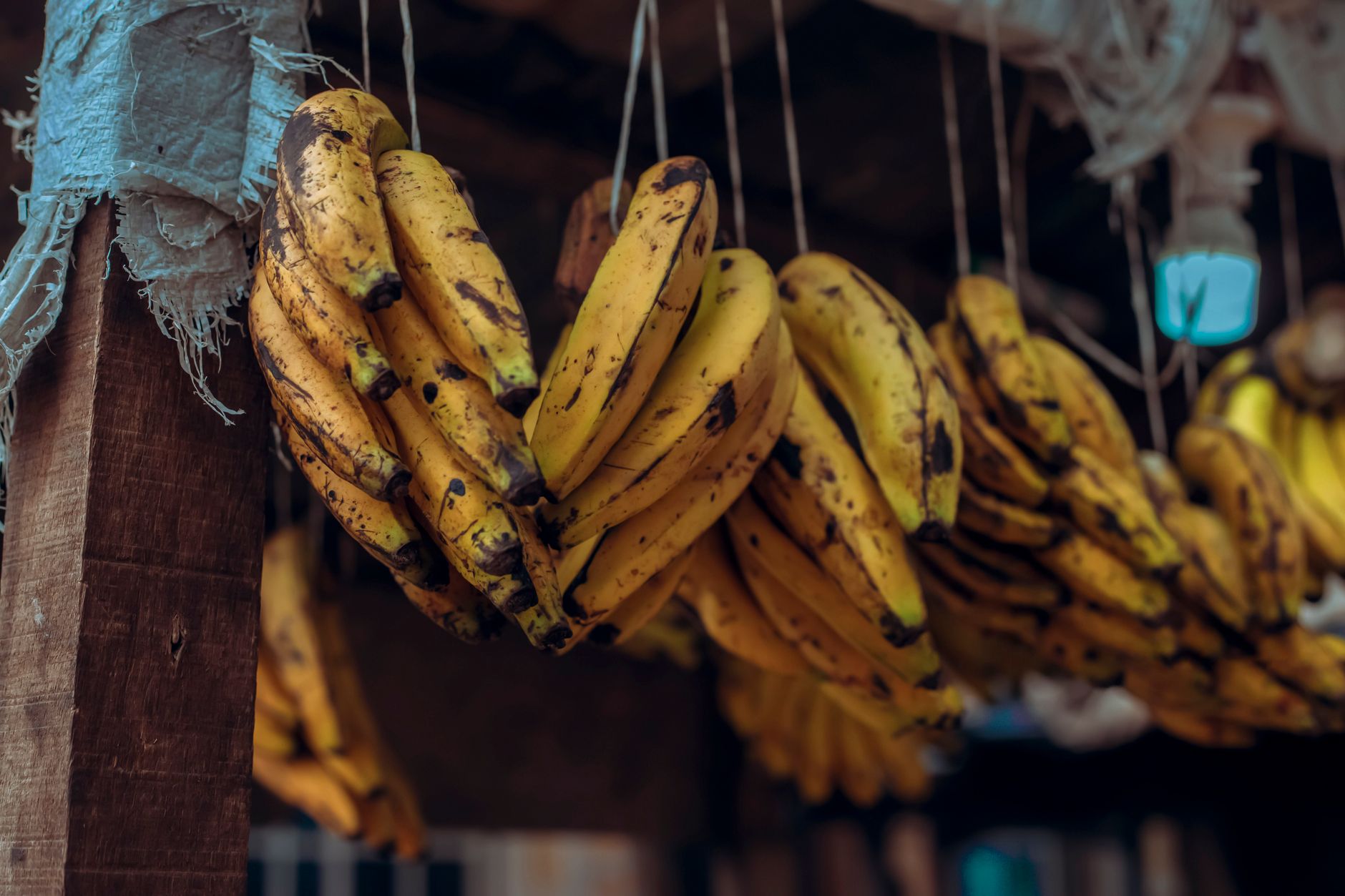
Bananas are one of the most popular fruits worldwide, known for their natural sweetness, convenience, and versatility. But how many calories do they contain? Understanding the caloric content of bananas is helpful for anyone looking to maintain a balanced diet, whether you’re counting calories or just aiming for healthier eating habits.
This article will break down the caloric content of bananas according to different serving sizes, how they fit into various dietary plans, and their nutritional benefits. Let’s peel back the layers and discover how many calories are in bananas!
How Many Calories in Bananas?
A medium-sized banana, which typically weighs about 118 grams, contains approximately 105 calories. Bananas can vary in size and ripeness, affecting their overall caloric value. Below, we will analyze the calorie counts based on different serving sizes to give you a clearer picture.
Caloric Content by Serving Size
Whole Bananas
Here’s a simplified breakdown of calorie sources based on the size of bananas:
| Size | Calories | Weight (grams) |
|---|---|---|
| Small Banana | 90 | 101 |
| Medium Banana | 105 | 118 |
| Large Banana | 121 | 136 |
| Extra-Large Banana | 135 | 152 |
Banana Slices
If you prefer to have sliced bananas, their caloric content per serving is still straightforward. For example:
- 1 cup of banana slices (approximately 150 grams) contains around 134 calories.
- 1/2 cup of banana slices (approximately 75 grams) contains approximately 67 calories.
Mashed Bananas
Mashed bananas are often used in baking, particularly in recipes for banana bread or smoothies. Here’s the caloric value:
- 1 cup of mashed bananas (about 225 grams) has roughly 200 calories.
- 1/2 cup (about 110 grams) contains about 100 calories.
Banana Puree
Banana puree can be beneficial for various recipes and baby food. The caloric content for banana puree is similar to that of mashed bananas:
- 1 cup (approximately 225 grams) of banana puree contains around 200 calories.
- 1/2 cup (about 110 grams) contains approximately 115 calories.
How Bananas Fit into Your Diet
Understanding how many calories are in bananas is only part of their nutritional story. Bananas not only contribute calories to your diet but also provide essential vitamins and minerals that support your overall health.
Key Nutritional Benefits
Here are some notable nutritional components of a medium-sized banana (about 118 grams):
- Calories: 105
- Carbohydrates: 27 grams
- Dietary Fiber: 3 grams
- Sugars: 14 grams
- Protein: 1 gram
- Fat: 0.3 grams
- Vitamin C: 17% of the Daily Value (DV)
- Vitamin B6: 20% of the DV
- Potassium: 12% of the DV
Role of Fiber
The dietary fiber in bananas is beneficial for digestive health. A high-fiber diet can assist in maintaining a healthy gut and regulating blood sugar levels.
Natural Energy Source
Thanks to their high carbohydrate content, bananas are a great energy source. They are particularly popular among athletes for quick boosts of energy pre-workout or during endurance activities.
Incorporating Bananas into Your Meals
Bananas can be enjoyed in a variety of ways. Understanding their caloric contribution can help you plan healthier meals or snacks. Here are some ideas for incorporating bananas into your diet:
Breakfast Options
- Add sliced bananas to your cereal or oatmeal for a sweet, nutritious start to your day.
- Make a banana smoothie using yogurt, spinach, and a banana for a nutritious breakfast.
- Use mashed bananas in pancakes or waffles for added sweetness without refined sugar.
Snack Ideas
- Enjoy a banana on its own for a quick, portable snack.
- Pair banana slices with nut butter for a delicious combination of flavors and nutrients.
- Make a banana split with yogurt, fruit, and a small drizzle of honey for a healthy treat.
Baking with Bananas
Bananas are a common ingredient in baked goods, especially in foods like banana bread. The natural sweetness and moisture they provide make them an excellent addition. Here are some tips:
- Replace half the sugar in a recipe with mashed bananas to reduce refined sugars.
- Bananas work well as a replacement for eggs in vegan baking. Use about 1/4 cup of mashed banana per egg.
Common Mistakes When Eating Bananas
Despite their numerous benefits, there are common mistakes people make regarding bananas:
Overeating Bananas
While bananas are healthy, they do contain calories. Overconsumption can lead to additional caloric intake that could hinder dietary goals. Moderation is key.
Combining with High-Calorie Foods
Pairing bananas with overly rich ingredients can negate their healthfulness. For example, adding excessive amounts of sugar or fatty toppings can turn a healthy snack into a calorie bomb.
Storage and Ripening Tips
Bananas are unique in their ripening process, and proper storage can help extend their freshness:
Ripening Process
Bananas ripen at room temperature and will continue to do so after being picked. If you want to speed up the ripening process, place them in a paper bag. To slow down ripening, store them in the refrigerator, but expect the skin to darken while the fruit inside remains fresh.
Storage Tips
- Keep bananas at room temperature. Avoid refrigerating them unless they are fully ripe.
- If you have overripe bananas, consider freezing them. They can be used later in smoothies or baked goods.
Conclusion
Understanding the caloric content of bananas can help you incorporate them into your diet more mindfully. With their natural sweetness and rich nutritional profile, bananas are an excellent addition to meals or snacks. Whether enjoyed whole, sliced, or mashed, bananas can effectively support your dietary needs.
For further exploration, consider learning about the fiber content in bananas or discovering where bananas come from. Both topics can deepen your understanding of this beloved fruit.