
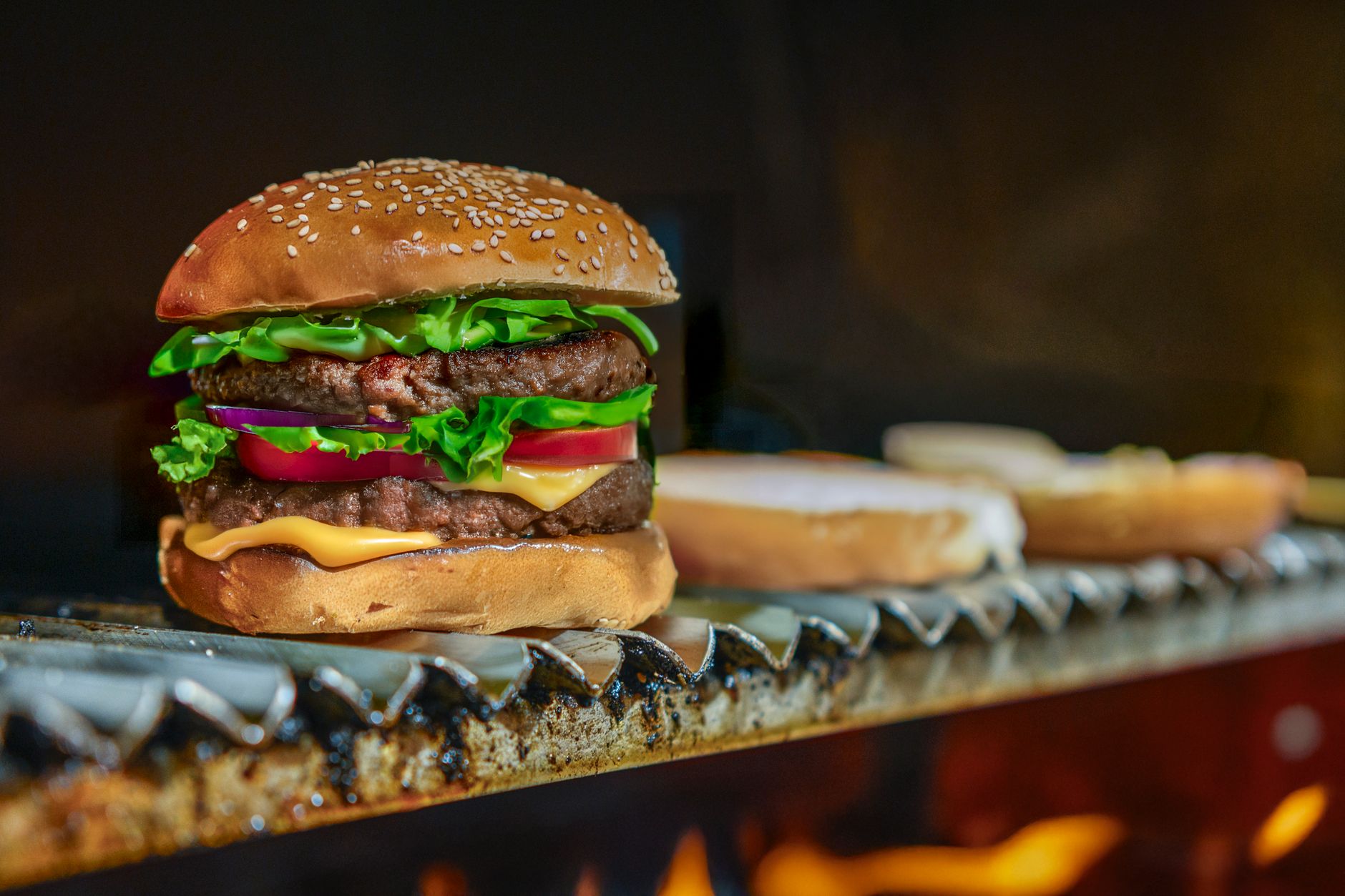
The double cheeseburger is a classic American favorite, known for its juicy patties, melted cheese, and a variety of toppings that elevate its flavor. But if you’re watching your calorie intake, you might wonder how many calories are actually in this beloved dish. Understanding the calorie count can help you enjoy your meal while maintaining a balanced diet.
In this article, we will explore the calorie content of a double cheeseburger, its components, variations, and some healthier alternatives. By the end, you’ll have a comprehensive understanding of this popular item and how to make it fit into your dietary needs.
How Many Calories in a Double Cheeseburger?
A double cheeseburger typically contains between 450 to 800 calories per serving, depending on the ingredients and portion size. The calorie count mainly comes from the patties, cheese, bun, and any additional toppings or sauces.
Breaking Down the Calories
To fully understand the calorie content, let’s take a closer look at the components of a standard double cheeseburger.
Ingredients and Their Caloric Values
- Beef Patties: A standard ¼ pound beef patty contains roughly 250-300 calories. Since a double cheeseburger has two patties, that amounts to about 500-600 calories.
- Cheese: One slice of American cheese adds approximately 50-100 calories. Most double cheeseburgers include two slices, bringing the total cheese calories to 100-200.
- Bun: A typical hamburger bun has around 150-200 calories, depending on the type and size.
- Toppings: Typical toppings like lettuce, tomato, onions, pickles, and condiments such as ketchup and mayonnaise can add another 50-100 calories.
Caloric Variations Based on Ingredients
The calorie count of a double cheeseburger can vary widely depending on the ingredients used. Here are common substitutes and their potential impact on calorie content:
Type of Meat
- Ground Turkey or Chicken: Using lean turkey or chicken can reduce the calorie count to approximately 200-300 calories for two patties.
- Plant-Based Patties: Vegan options can range from 200 to 400 calories, depending on the brand and ingredients used.
Cheese Alternatives
- Reduced-Fat Cheese: Using reduced-fat cheese can save you around 20-30 calories per slice.
- Non-Dairy Cheese: Plant-based cheeses typically have a similar calorie count but may vary based on the brand and ingredients.
Bread Options
- Whole Wheat Bun: A whole grain or whole wheat bun can provide extra fiber with a similar calorie count of around 150-200 calories.
- Low-Calorie Buns: These buns can have as few as 70-100 calories each.
Toppings and Condiments
- Light Condiments: Opting for lower-calorie sauces can reduce the caloric load, with options like mustard adding next to no calories.
- Vegetable Toppings: Using more vegetables, such as avocado, can increase calories slightly, but they also provide healthy fats and nutrients.
Healthier Alternatives to a Double Cheeseburger
If you love double cheeseburgers but want to maintain a healthier diet, consider trying some of these alternatives that provide similar flavors with fewer calories:
Lean Meat Options
Substituting fatty beef patties with lean meat can significantly lower your calorie intake. Options include:
- Turkey or chicken burgers can cut calories without sacrificing flavor.
- Using blends such as beef and pork can maintain richness while reducing the calorie count.
Portion Control
Sometimes, simply reducing the size of your burger—such as making it a single rather than a double—can save many calories while still allowing you to indulge.
Vegetarian or Vegan Choices
There are numerous plant-based burger options available today that can replicate the taste and texture of traditional beef burgers. These can generally be lower in calories while being rich in nutrients.
Where Do the Calories Come From? A Nutritional Perspective
Understanding the caloric makeup of a double cheeseburger can aid in making better food choices that align with your health goals. Here’s a breakdown of where those calories typically come from:
Macronutrient Breakdown
- Proteins: The beef patties and cheese contribute a significant amount of protein, which is essential for muscle repair and growth.
- Fats: Fats from cheese and cooking oils are major contributors to the calorie count, but they also provide flavor and satisfaction.
- Carbohydrates: The bun is primarily a source of carbohydrates, providing energy for your body and aiding in digestion.
Micronutrients
While double cheeseburgers are known for being calorie-dense, they can also provide important vitamins and minerals depending on the ingredients you choose. For instance:
- Tomatoes for vitamin C.
- Lettuce and onions for fiber and antioxidants.
- Cheese for calcium and protein.
Common Mistakes When Ordering or Making a Double Cheeseburger
Here are some common pitfalls to avoid when trying to balance enjoyment with health objectives:
Overly Generous Portions
Many restaurant double cheeseburgers are much larger than necessary. Consider splitting or saving half for later.
Neglecting Add-Ons
Omitting veggies or adding excessive toppings like fried onions or bacon can alter the health profile of your cheeseburger substantially.
Choosing Fried Options
Fried burgers or those made with heavily processed meats can double the calorie count. Opt for grilled or baked to keep it lighter.
Making Your Own Double Cheeseburger at Home
Making a double cheeseburger at home gives you complete control over the ingredients and portion sizes. Here’s how to create a balanced version of this classic dish.
Ingredients You’ll Need
- 1 pound of lean ground beef (or alternative meat/substitute)
- 2 slices of cheese (American, cheddar, or plant-based)
- 2 whole wheat hamburger buns
- Your choice of toppings (lettuce, tomato, onion, pickles)
- Condiments (mustard, ketchup, or mayo)
Essential Equipment
- Griddle or frying pan
- Spatula
- Thermometer (if using beef)
- Bowl for mixing ingredients
- Knife and cutting board for toppings
Step-by-Step Instructions
- Start by preheating your griddle or frying pan to medium-high heat.
- Form the ground beef into two equal-sized patties. Use your thumb to create a small indent in the center of each patty to help them cook evenly.
- Season both sides with salt and pepper.
- Cook the patties for about 4-5 minutes on each side. If using beef, check for an internal temperature of 160°F for safety.
- In the last minute of cooking, place a slice of cheese on each patty to melt.
- While the cheese is melting, lightly toast the buns on the griddle or in a toaster.
- Assemble your cheeseburger. Start with a bun, add lettuce and tomatoes, followed by the patties, and finish with any additional toppings and the top bun.
Storing and Reheating Leftovers
If you make extra double cheeseburgers, storing them properly ensures they remain safe and tasty:
Storage Tips
Wrap leftover cheeseburgers in foil or place them in an airtight container. They should be consumed within 3-4 days for the best taste and safety.
Reheating Suggestions
Reheat in an oven at 350°F for about 10-15 minutes or in a microwave for 1-2 minutes. Ensure the internal temperature reaches 165°F before consuming.
Conclusion
Understanding the calorie content of a double cheeseburger is essential for making informed choices about your meals. By exploring various ingredients, considering healthier alternatives, and following portion control, you can continue to enjoy this flavorful burger while respecting your dietary needs.
For further culinary exploration, consider checking out our cheeseburger macaroni recipe for a different twist or our hamburger steak recipe for a hearty meal option. Enjoy your cooking adventures!