
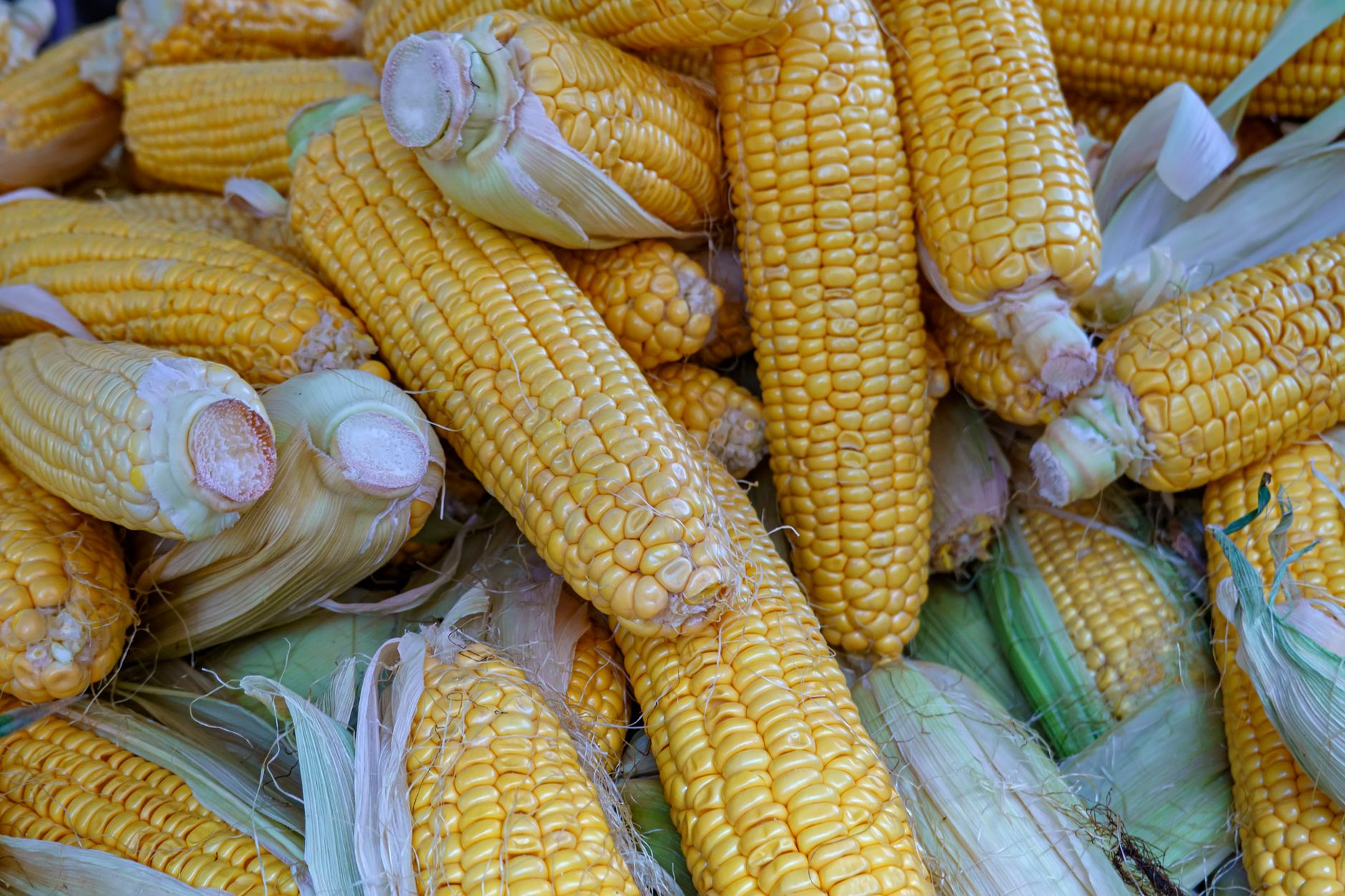
Corn on the cob is a popular side dish that graces tables during summer barbecues, fall harvests, and everyday meals. It’s not only delicious but also offers a satisfying crunch and a sweet flavor. Beyond its taste, many people wonder about its nutritional value, particularly calorie count, to stay mindful of their dietary choices.
This article will explore the calorie content of a cob of corn, providing insights into its nutritional benefits, serving sizes, preparation methods, and how it can fit into a healthy eating plan.
How Many Calories in a Cob of Corn?
A typical medium-sized cob of corn contains around 90 to 100 calories. Factors like size and preparation methods can influence this number. Corn is a nutrient-dense food and contributes more than just calories; it also provides fiber, vitamins, and minerals.
Understanding Corn Nutrition
Corn, especially when served on the cob, is more than just a calorie source. Here’s a breakdown of its nutritional profile per medium cob:
- Calories: 90-100
- Carbohydrates: 19-21 grams
- Protein: 3 grams
- Fat: 1-2 grams
- Fiber: 2-3 grams
- Sugars: 4-6 grams
- Vitamin C: 5% of the Daily Value (DV)
- Thiamine (Vitamin B1): 10% of the DV
- Folate: 10% of the DV
- Magnesium: 5% of the DV
Corn is a good source of carbohydrates, mainly providing energy to fuel your body. The fiber content is beneficial for digestion, while the vitamins and minerals support overall health.
Portion Sizes and Preparation Methods
The serving size of corn can vary depending on individual dietary needs and meal contexts. Generally, one medium cob constitutes a standard serving. When considering how you prepare corn, the calorie count can change significantly. Here’s how different methods impact calorie content:
Boiled Corn on the Cob
Boiling corn is one of the simplest methods. A boiled medium cob retains most of its calories, ranging from 90 to 100 calories. By keeping it relatively unadulterated, you enjoy the natural sweetness and flavor without additional calories.
Grilled Corn on the Cob
Grilling adds a smoky flavor that enhances the sweetness of corn. A grilled cob retains similar calories, approximately 90 to 100 calories, plus any additional calories from oils or butter used during grilling.
Corn on the Cob with Butter
Add a pat of butter, and the calorie count increases significantly. A tablespoon of butter adds about 100 calories, making the total around 190 to 200 calories for a buttered cob. While delicious, it’s essential to factor in this when considering overall caloric intake.
Seasoned and Sauced Corn
Spicing up your corn with various seasonings or sauces, such as cheese or mayonnaise, can quickly elevate the calorie count. Depending on the ingredients, adding flavorful condiments can add 50 to 200 calories extra per serving.
Health Benefits of Corn
Despite being higher in carbohydrates, corn offers several health advantages, making it a worthy addition to your diet when consumed in moderation. Here are some notable benefits:
- Rich in Antioxidants: Corn contains antioxidants like lutein and zeaxanthin, which are beneficial for eye health.
- Supports Digestion: With its fiber content, corn aids in healthy digestion and helps prevent constipation.
- Heart Health: The fibers and carotenoids in corn support heart health by lowering cholesterol levels.
- Energy Boost: The carbohydrates in corn provide a quick energy boost, making it an excellent pre-workout snack.
Including Corn in Your Diet
Incorporating corn into meals can be a creative process. Here are a few ideas:
- Grilled corn as a side dish to barbecued meats.
- Corn in salads for an added crunch and sweetness.
- Blended into soups or chowders for creamy textures.
- Add to salsas for enhanced flavor profiles.
Common Mistakes When Preparing Corn
Here are some common pitfalls to avoid when preparing corn on the cob:
- Overcooking: Boiling corn for too long can result in grainy corn. Aim for about 6 to 8 minutes for a tender result without losing freshness.
- Neglecting to season: Seasoning adds depth to the flavor. Experiment with different spices.
- Removing the husk too early: Leaving some husk on can protect corn during cooking whether boiling or grilling.
Storing Corn on the Cob
Proper storage of corn can help prolong its freshness. Here are some storage tips:
- Refrigerate unpeeled corn. Keep it in a perforated plastic bag for optimal freshness.
- If peeling corn, use it within a couple of days for best flavor and texture.
- Cooked corn can be stored in airtight containers for up to three days.
FAQs About Corn on the Cob
Can you eat corn on the cob raw?
Yes, corn on the cob can be eaten raw, especially if it’s fresh. The flavor is sweet and crunchy. However, it’s more common to cook it, as heating can enhance the flavor.
Is corn on the cob gluten-free?
Corn on the cob is naturally gluten-free, making it a suitable option for those with gluten sensitivity or celiac disease.
What is the best time to buy corn on the cob?
Fresh corn on the cob is typically at its best during the summer months. Look for cobs that are bright green with husks tightly wrapped around the ears and plump kernels.
Practical Next Steps
Understanding the calories in a cob of corn can help you better integrate it into your meals while maintaining a healthy lifestyle. It’s versatile, delicious, and nutritious, making it an excellent choice for a variety of dishes. With the right preparation and seasoning, corn can elevate any meal without overwhelming your diet. Whether you boil, grill, or enjoy it straight off the cob, corn can make a wonderful addition to your plate.
For those looking to try new corn-related dishes, check out our corn pone recipe or learn how to make corn ribs for a fun and flavorful twist! Explore these links for more delicious insights and creative ways to enjoy corn.