
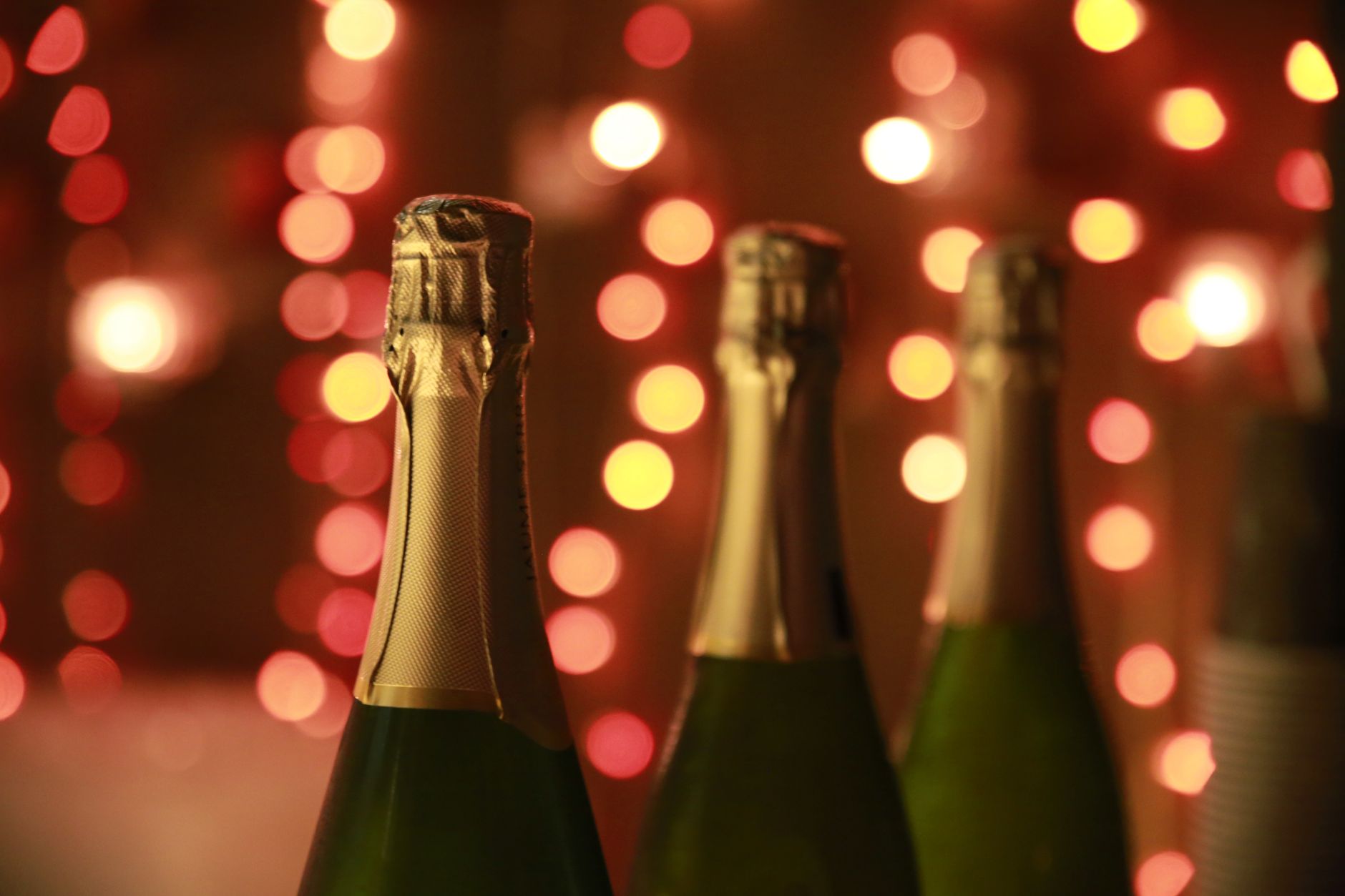
Champagne is often associated with celebrations, special occasions, and indulgent moments. Its bubbly texture and crisp flavors make it a favorite for toasting and enjoying with meals. However, many people are curious about the calorie content of this sparkling wine, especially when consuming it in larger quantities, such as a 750 ml bottle. Understanding the calories in Champagne can help you make informed choices during festive gatherings or nights out.
In this article, we will explore how many calories are in a 750 ml bottle of Champagne, variations in calorie content among different types, and what factors contribute to these differences. We will also provide insights on how to enjoy Champagne responsibly while keeping your calorie intake in check.
How Many Calories in a Bottle of Champagne 750ml?
There are approximately 600 to 700 calories in a standard 750 ml bottle of Champagne. This range is influenced by several factors, including the residual sugar content, the specific type of Champagne, and the method of production.
Understanding Champagne: Types and Their Caloric Content
Champagne can be categorized into various styles, each with different sugar levels and ultimately differing calorie counts. Here’s a breakdown of these styles:
- Brut Nature/Brut Zero: Typically contains no added sugar and has about 600 calories per 750 ml bottle.
- Brut: The most common style, typically containing less than 12 grams of sugar per liter, resulting in around 640 to 670 calories in a 750 ml bottle.
- Extra Dry: Despite the name, this style contains slightly more sugar (12-17 grams per liter) and has around 650 to 700 calories.
- Dry/Sec: Contains 17-32 grams of sugar and can have approximately 670 to 740 calories.
- Demi-Sec: On the sweeter side, with 32-50 grams of sugar, this style may contain around 680 to 780 calories.
- Doux: The sweetest variety with more than 50 grams of sugar, containing 700 calories or more.
Factors Affecting Caloric Content
Several factors influence the caloric content of Champagne:
1. Residual Sugar
The primary factor affecting the calorie count is the residual sugar left in the wine after fermentation. The higher the sugar content, the more calories the Champagne will have. This is particularly noticeable in sweeter styles like Demi-Sec and Doux.
2. Production Method
The traditional method of making Champagne (Méthode Champenoise) can affect its flavor profile and, to some extent, its caloric content. The fermentation process and aging can lead to varying sugar levels, impacting the final product’s sweetness and calorie count.
3. Alcohol Content
The alcohol content in Champagne generally ranges between 12-13%. Higher alcohol content can contribute to calories, as alcohol itself has about 7 calories per gram. Thus, a higher alcohol percentage can result in more calories in the bottle.
4. Serving Size
It’s essential to consider how you serve Champagne. A standard serving of Champagne is about 150 ml, which means there are approximately 120-140 calories per glass, depending on the type. Many people may consume multiple glasses, quickly adding up to notable calorie intake.
Tips for Enjoying Champagne Responsibly
If you love Champagne but are mindful of your calorie intake, here are some practical tips to consider:
- Choose Dry Styles: Opt for Brut or Extra Brut styles that have lower sugar content and fewer calories.
- Watch Your Serving Sizes: Be conscious of how much you’re pouring. Stick to one glass to keep calorie consumption in check.
- Pair with Light Foods: When enjoying Champagne, pair it with lighter fare such as seafood, salads, or fresh fruits, which can complement the drink without the excess calories.
- Stay Hydrated: Drink water in between Champagne servings to help manage both hydration and calorie intake.
- Limit Carbonated Drinks: Mixers and cocktails using Champagne can increase your overall calorie intake significantly. Opt for plain Champagne whenever possible for a lower-calorie option.
How Does Champagne Compare to Other Alcoholic Beverages?
When considering calorie counts, it’s helpful to compare Champagne to other common alcoholic beverages:
| Beverage | Calories per 750 ml |
|---|---|
| Champagne | 600-700 |
| Red Wine | 600-700 |
| White Wine | 600-700 |
| Beer (average lager) | 600 |
| Cocktail (average mixed drink) | 700-900 |
As evident from the table, Champagne’s calorie count falls within a similar range as wines, making it a comparable option when choosing beverages. However, cocktails and sugary mixers tend to have higher caloric values, suggesting that Champagne could be a better option when looking for something celebratory but still on the lighter side.
Alternatives to Champagne with Lower Caloric Content
If you are looking for sparkling options with lower calorie counts, consider these alternatives:
- Sparkling Water or Club Soda: A zero-calorie alternative that can mimic the effervescence of Champagne without any sugars.
- Sparkling Wine (Dry): Wines from other regions, such as Prosecco or Cava, often have lower calorie counts if you choose the dry varieties.
- Low-Calorie Cocktails: You can craft cocktails using spirits with low sugar mixers or fresh squeezed juices to enjoy lighter beverages.
How to Store Champagne for Best Quality
Proper storage of Champagne is essential to maintain its flavor and quality:
1. Temperature
Store Champagne in a cool, dark place, away from light and temperature fluctuations. Ideal storage temperature is between 45°F and 65°F (7°C to 18°C).
2. Position
Keep Champagne bottles upright to limit contact between the cork and the wine, preventing spoilage and cork taint.
3. Humidity
Maintain a humidity level of around 70%. This keeps the cork from drying out, ensuring a tighter seal.
What Happens When You Open a Bottle of Champagne
Once a bottle of Champagne is opened, it begins to lose its effervescence due to the release of carbon dioxide. Here are some tips on how to enjoy the bottle best:
1. Drink it Soon
For optimal taste, consume open Champagne within 3 days. Use a Champagne stopper to help retain some bubbles if you cannot finish it in one sitting.
2. Enjoy at the Right Temperature
Serve Champagne chilled, around 40°F to 50°F (4°C to 10°C), for the best experience. An ice bucket or cooler is ideal.
Common Mistakes When Consuming Champagne
To help you enjoy your Champagne experience, here are some frequent missteps to avoid:
- Popping the Cork Too Hard: This can lead to wasted Champagne and a mess. Instead, gently twist the bottle while pulling at the cork.
- Pouring Too Quickly: Pouring too fast can cause excessive foam. Aim to pour slowly and at an angle to limit overflow.
- Improper Glassware: Use a flute or tulip-shaped glass to enhance the flavors and aroma, rather than a wide glass that disperses bubbles.
Conclusion
Understanding the calorie content in a 750 ml bottle of Champagne can be enlightening for those who enjoy this celebratory drink. With a typical range of 600-700 calories, recognizing the type and sweetness level of Champagne is critical for managing your caloric intake during special occasions.
If you’re mindful of calories, the best options are Brut and Extra Brut styles, which tend to have fewer sugars and calories. Remember to enjoy responsibly, consider drink alternatives, and never underestimate the importance of proper storage and serving practices for your Champagne experience!
Explore more about food and drink choices, or learn cooking tips and delicious recipes to complement your Champagne selections in our related guides on healthy food planning, cocktail recipes, and dinner pairings.