
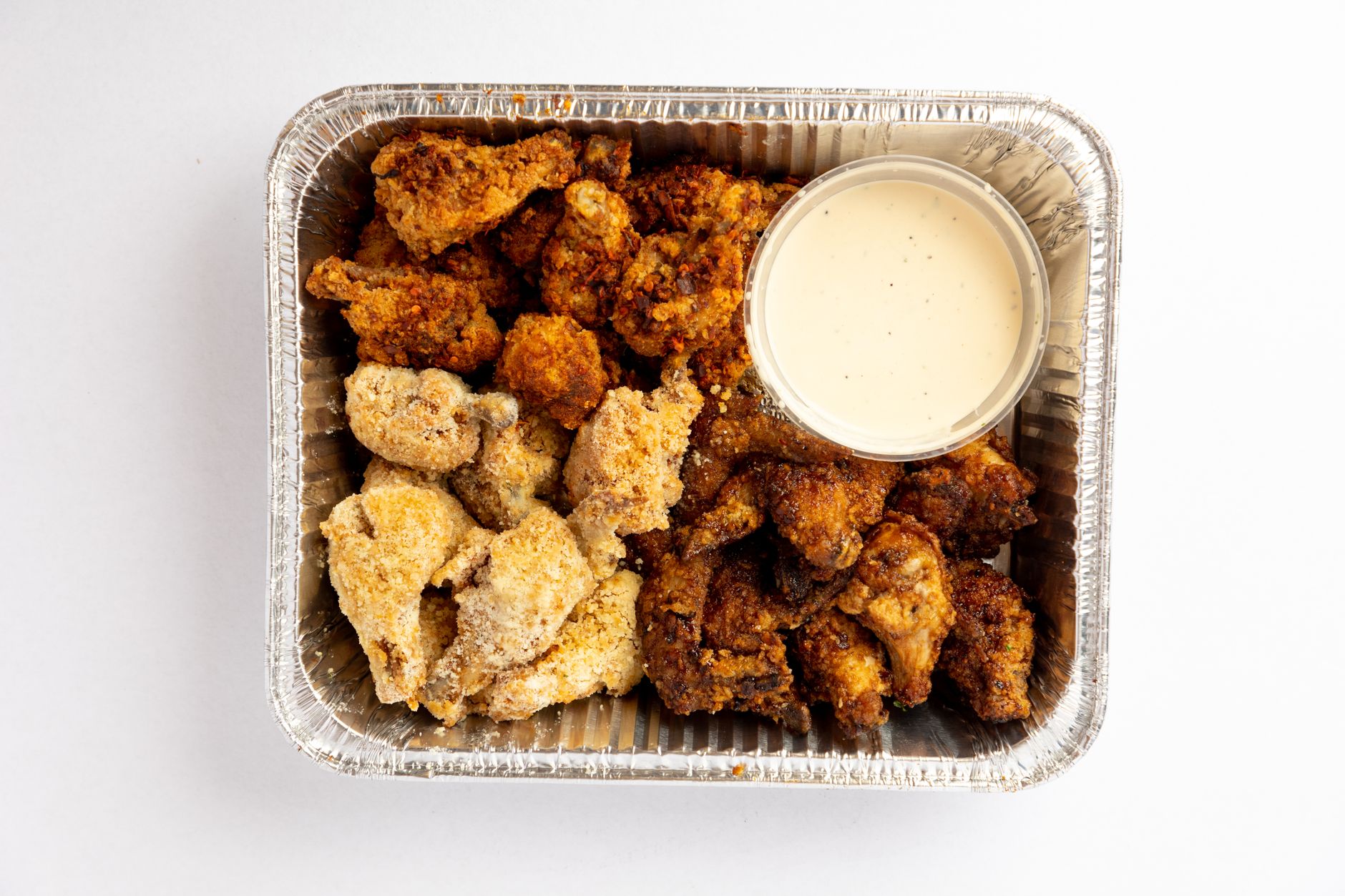
Buffalo wings are a popular appetizer that finds a place in gatherings, parties, and even casual dinners. Known for their crispy exterior and spiced flavor, they can be a delightful treat or a satisfying meal on their own. But if you’re watching your calorie intake, you might wonder: How many calories are in 10 wings?
The answer isn’t straightforward because it can vary widely depending on preparation methods, seasonings, and portion sizes. This article will delve into the calorie content of chicken wings, considering various cooking styles and sauces to help you gauge their nutritional value better.
How Many Calories in 10 Wings?
On average, 10 fried chicken wings can contain anywhere from 800 to 1,000 calories. However, this number can change significantly depending on factors such as the type of sauce used, whether the wings are breaded or not, and the cooking method. For a clearer understanding, let’s break down the calorie content based on different preparation methods.
Calorie Breakdown by Cooking Method
Understanding how cooking methods affect caloric content is essential for meal planning. Here are the approximate calorie counts you can expect for 10 wings prepared in various ways:
1. Fried Chicken Wings
Fried chicken wings are the classic option and typically the highest in calories. This is due to the cooking oil and the breading often used.
- Approximate Calories: 900-1,000 calories for 10 wings.
The crispy layer adds not only calories but also a rich flavor. Fried wings are often tossed in sauces like buffalo or barbecue, which can add additional calories depending on the amount and type of sauce.
2. Baked Chicken Wings
For those looking to enjoy wings with less fat and fewer calories, baked chicken wings are a great alternative.
- Approximate Calories: 700-800 calories for 10 wings.
Baking reduces the need for oil, significantly cutting down the overall calorie content. Seasoning the wings with spices and herbs can add flavor without extra calories.
3. Grilled Chicken Wings
Grilling is another healthier option that imparts a delicious smoky flavor to the wings.
- Approximate Calories: 600-700 calories for 10 wings.
This method retains a robust taste while using minimal oil. Just like baked wings, grilled wings can be marinated with lemon, garlic, or your favorite spices to enhance flavor without piling on extra calories.
4. Air-Fried Chicken Wings
Air frying is gaining popularity as a healthier alternative to traditional frying, providing a similarly crispy texture with much less oil.
- Approximate Calories: 600-750 calories for 10 wings.
Air-fried wings can be seasoned just like fried or baked wings but with significantly less fat, making them a great option for calorie-conscious eaters.
5. Sauced Chicken Wings
The type of sauce used can also dramatically influence the caloric value. Here are some popular sauce options and their approximate calorie counts when considered with 10 wings:
- Buffalo Sauce: Adds about 70-100 calories for 10 wings.
- Barbecue Sauce: Typically adds around 100-150 calories for 10 wings.
- Teriyaki Sauce: Can contribute about 80-120 calories for 10 wings.
- Garlic Parmesan Sauce: This heavier sauce may add 100-150 calories for 10 wings.
Being mindful of your sauce choice can significantly alter the overall calorie impact of your meal.
Considerations for Healthy Eating
When indulging in chicken wings, especially in larger quantities, there are several ways to be mindful of your health while still enjoying this favorite dish:
1. Choose Your Sauce Wisely
Selecting lighter sauces or just dry rubs can significantly reduce calories. Consider options like a lemon pepper rub or a vinegar-based sauce instead.
2. Baking or Grilling Over Frying
Opting for baked or grilled wings instead of fried can yield substantial calorie savings. These cooking methods not only cut down on oil but can also enhance the overall flavor with seasonings and marinades.
3. Portion Control
Enjoying chicken wings in moderation is key. Consider having a few wings paired with healthy sides like salads or vegetables to balance the meal.
4. Homemade vs. Restaurant Wings
Wings made at home allow you greater control over ingredients and cooking methods. Restaurant wings, often deep-fried and heavily sauced, can have a higher calorie count than homemade alternatives.
How to Serve Chicken Wings
Serving chicken wings goes beyond just the wings themselves. Here are some ideas to elevate your chicken wing experience:
1. Sides
- Celery and Carrot Sticks: A classic pairing that adds crunch and freshness.
- Dips: Ranch and blue cheese dips are popular but can add more calories. For a lighter option, consider Greek yogurt-based dips.
- Salads: Pair with a salad for a lighter meal.
2. Drinks
Complement your wings with beverages that are lower in calories. Light beers, unsweetened iced tea, and sparkling water can be refreshing options without overloading on calories.
3. Use Different Cooking Techniques
Varying your cooking method can keep meals exciting. You could try incorporating different seasonings or marinades with the same cooking method to avoid a dull dining experience.
Ingredient Variations and Substitutions
To customize your chicken wings, here are some ingredients and substitutions to consider:
- Chicken: While traditional wings are made with chicken, you could experiment with turkey wings for a leaner option.
- Flour Coating: Replace with almond flour or a gluten-free blend for those with dietary restrictions.
- Sauces: Create homemade versions using fresh ingredients to cut out preservatives and excess calories.
- Herbs and Spices: Use fresh herbs instead of sauces. Experimenting with dry rubs can also enhance flavor without added calories.
Common Mistakes to Avoid
When preparing chicken wings, several common mistakes can impact flavor and texture. Here are tips to avoid them:
1. Overcooking or Undercooking
Make sure to monitor the cooking time carefully. Undercooked wings can harbor harmful bacteria, whereas overcooked wings can become dry and unappetizing. Using a meat thermometer to ensure an internal temperature of at least 165°F (74°C) is essential.
2. Not Seasoning Adequately
Wings can be bland without proper seasoning. Make sure to coat them evenly with spices or sauces to enhance the flavor.
3. Ignoring Marinating Time
For the best flavor, allow sufficient time for marinades to soak into the wings. A short marinate time can result in underwhelming flavor.
Storage and Reheating Guidance
If you have leftover wings, proper storage and reheating are crucial for maintaining quality:
1. Storage
Leftover wings should be stored in an airtight container in the refrigerator. They can be safely stored for up to 3-4 days.
2. Reheating
- The oven is the best method for reheating wings to retain their crispy texture. Preheat the oven to 350°F (175°C) and bake for about 10-15 minutes.
- Microwaving is an option for quick reheating but may lead to a loss of crispiness.
Conclusion
Chicken wings can be a delicious addition to your meal but vary significantly in calorie content depending on their preparation. Whether you choose fried, baked, or grilled, along with how you sauces them, influences the total calorie count. By considering portion sizes, preparation methods, and complementary sides, you can enjoy your wings while keeping an eye on your nutrition. For your next meal, think about the possibility of trying baked or grilled wings. This way, you can enjoy flavorful chicken wings while being more mindful of your calorie intake.
For more tasty options, check out our recipes for baked chicken wings or learn how to air fry chicken wings for a healthier twist on this classic favorite!