
Eggs are a staple in many diets around the world, praised for their versatility and nutritional value. One of the most common questions regarding eggs is about their calorie content, which can vary based on the size of the egg and how it is prepared. Understanding how many calories eggs have is vital for meal planning, whether you are watching your weight or just want to maintain a balanced diet.
In this article, we will explore the calorie counts for different serving sizes of eggs, how cooking methods affect these counts, and some practical tips for including eggs in your daily meals.
How Many Calories Does Eggs Have?
The calorie content of eggs can vary widely. On average, a large chicken egg contains approximately 72 calories. However, this number can fluctuate based on the cooking method used and any added ingredients. For instance, frying an egg in oil or butter will increase its overall calorie content significantly.
Calorie Breakdown by Egg Size
Eggs come in various sizes, and it’s important to note their calorie differences. Below is a breakdown of the average calorie content per egg size:
| Egg Size | Calories |
|---|---|
| Small (38g) | 54 |
| Medium (44g) | 63 |
| Large (50g) | 72 |
| Extra Large (56g) | 80 |
| Jumbo (63g) | 90 |
When purchasing eggs, it is often useful to consider these size differences, especially if you are tracking calories for dietary reasons.
Caloric Content Based on Cooking Methods
How you cook your eggs influences their caloric value. Here’s a look at how various cooking methods change the calorie count:
Raw Eggs
A raw large egg has about 72 calories. While some may enjoy raw eggs in smoothies or protein shakes, it’s important to consider the potential health risks, such as salmonella.
Boiled Eggs
Boiling eggs is one of the healthiest methods of cooking. A large hard-boiled egg contains approximately 78 calories. This method retains most of the nutrients without adding extra fat, making it a wholesome choice.
Fried Eggs
Frying eggs typically adds calories due to the oil or butter used. A large fried egg can range from about 90 to 100 calories or more, depending on the cooking fat. For a healthier option, consider using a non-stick spray or a minimal amount of oil.
Scrambled Eggs
Scrambled eggs generally have a higher calorie count due to added milk or cream. A typical serving of two scrambled large eggs, without additional ingredients, contains roughly 140 to 160 calories. When milk or cream is included, the count can rise significantly.
Omelets
An omelet, which often includes additional ingredients like cheese and vegetables, can contain anywhere from 200 to 300 calories, depending on the fillings. Two large eggs cooked as an omelet can range from 140 to 160 calories alone, but extra ingredients will contribute to an increased caloric total.
Poached Eggs
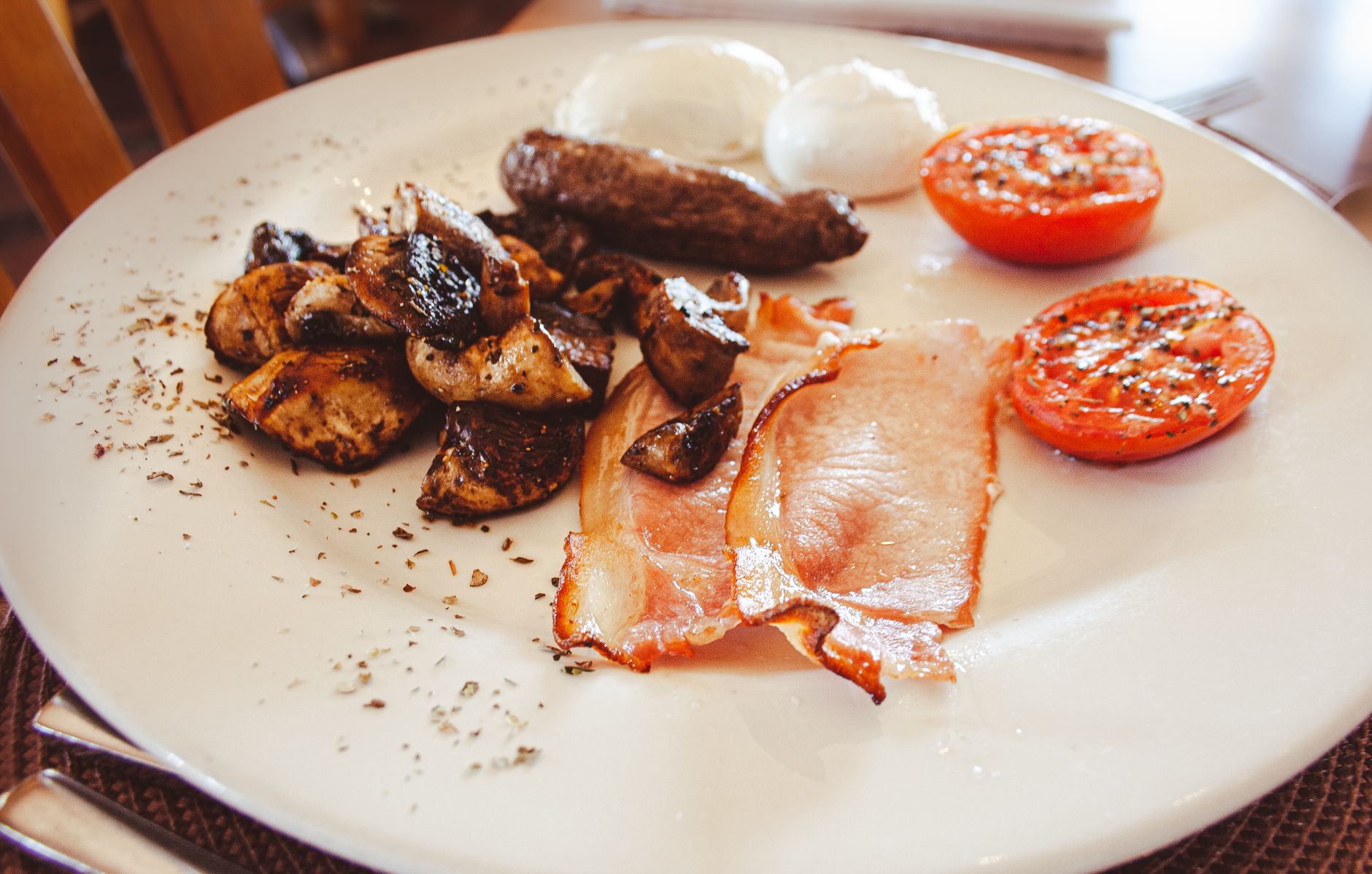
Poached eggs are another healthier preparation method, typically containing around 72 calories for a large egg. This cooking method does not require any additional fat, making it a lighter option.
How to Incorporate Eggs into Your Meals
As we have seen, eggs are versatile and can be prepared in numerous ways, making them an excellent addition to various meals. Here are some creative and healthy methods to incorporate eggs into your diet:
- Breakfast Burritos: Incorporate scrambled eggs with vegetables and a whole-wheat tortilla for a nutrient-packed breakfast.
- Salads: Hard-boiled eggs make a great addition to salads, adding protein and flavor.
- Soups: Adding poached eggs to soups can elevate the dish while maintaining a low-calorie count.
- Baking: Eggs are fundamental in baking. Consider healthier recipes that utilize eggs to improve texture without excessive added fats.
Practical Tips for Cooking and Storing Eggs
Proper cooking techniques and storage can enhance your safety and enjoyment of eggs:
Cooking Tips
- Use a food thermometer to ensure that egg dishes are fully cooked. The internal temperature should reach 160°F (71°C) to eliminate health risks.
- When frying or scrambling, consider using alternatives to butter, such as cooking spray, to reduce unnecessary calories.
- Experiment with adding high-fiber vegetables to egg dishes to balance the nutrient profile and increase fullness.
Storage Tips
- Store eggs in their original carton in the refrigerator, which helps maintain freshness and prevents odors from affecting them.
- Do not leave cooked eggs out at room temperature for more than two hours; refrigerate leftovers promptly.
- Hard-boiled eggs can be refrigerated for about one week, ensuring that they stay safe to eat.
Common Mistakes and Troubleshooting
Cooking eggs may seem simple, but there are common pitfalls that can lead to less-than-desirable results.
- Overcooking: Overcooked eggs can become tough and rubbery. For scrambled eggs, remove them from heat when they’re slightly undercooked; residual heat will finish the cooking.
- Using too much fat: Excessive oil or butter can elevate the calorie content significantly. Measure portions to control calories more effectively.
- Imperfect egg intactness: If eggs crack during cooking, avoid using them raw as it may pose health risks.
Conclusion
Eggs are a delicious and versatile source of protein that can be enjoyed in many forms and meals. Understanding their calorie content helps you make informed choices based on your dietary preferences. Whether you prefer them boiled, scrambled, or poached, incorporating eggs into your meals can offer great taste and nutrition.
For further information on calorie counts and nutritional breakdowns, check out our related guides on scrambled eggs and the carbohydrate content in eggs at eggs and carbs.