
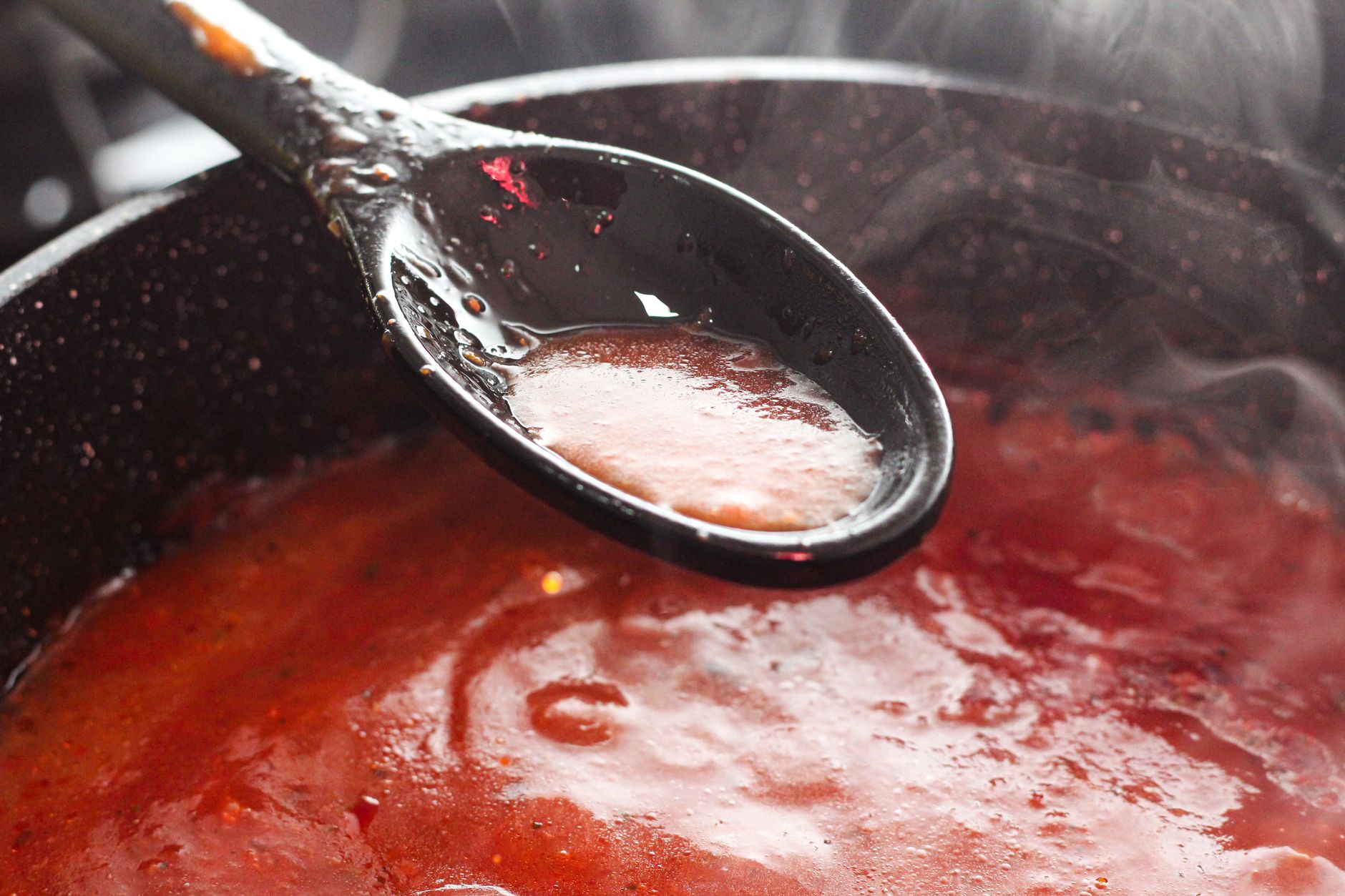
One of the cornerstones of Italian cuisine, spaghetti sauce can elevate a simple dish of pasta into a comforting meal. Knowing how long to simmer spaghetti sauce is crucial for developing rich flavors and achieving the perfect texture. A well-prepared sauce can be the difference between a good meal and a memorable one.
This article will guide you through various aspects of spaghetti sauce simmering—timing, techniques, doneness tips, and ingredient variations. By understanding how long to simmer your sauce and why it matters, you’ll be able to create outstanding spaghetti sauce every time.
How Long to Simmer Spaghetti Sauce?
The ideal simmer time for spaghetti sauce typically ranges from 30 minutes to several hours, depending on the type and desired flavor intensity. A basic marinara sauce benefits from a shorter simmer time, while a hearty meat sauce can develop deeper flavors with a longer simmering time up to two hours or more.
Understanding Simmering
Simmering is the gentle cooking technique that involves heating a liquid just below its boiling point, where small bubbles form and rise slowly to the surface. The paramount goal of simmering spaghetti sauce is to allow the ingredients to meld together, releasing their flavors and aromas without the risk of burning or overcooking.
Benefits of Simmering
- Flavor development: Longer simmering allows flavors to intensify and meld, creating a more complex and rich sauce.
- Texture improvement: Ingredients, particularly tomatoes and proteins, can break down and create a smoother sauce.
- Aroma enhancement: As the sauce simmers, aromatics are released, resulting in an inviting fragrance.
Types of Spaghetti Sauces and Their Simmering Times
Several types of spaghetti sauces require different simmering times based on their ingredients. Here’s a look at some common spaghetti sauces and how long you should simmer them:
Marinara Sauce
Marinara is a classic tomato-based sauce often flavored with garlic, onions, and herbs. It’s typically simple and quick to prepare.
- Simmer Time: 20 to 30 minutes
- Flavor profile: Fresh and vibrant, with a slightly tangy tomato flavor.
- Cooking Tip: Use quality canned tomatoes or fresh ripe tomatoes for the best flavor.
Meat Sauce (Ragù)
Meat sauce, commonly referred to as ragù, combines ground meat with tomatoes to create a hearty sauce that pairs deliciously with pasta.
- Simmer Time: 1 to 2 hours
- Flavor profile: Rich, savory, with deep flavors from the meat and aromatic vegetables.
- Cooking Tip: Searing the meat before adding liquid can enhance flavor.
Pesto Sauce
Pesto is a fresh sauce made from basil, pine nuts, garlic, olive oil, and Parmesan cheese. It’s often used as a quick sauce rather than a simmered one.
- Simmer Time: No simmering is needed.
- Flavor profile: Bright and herbaceous, with a nutty undertone.
- Cooking Tip: Add cooked pasta directly to the pesto for maximum flavor absorption.
Alfredo Sauce
Alfredo sauce is a creamy sauce made with butter, heavy cream, and Parmesan cheese. Like pesto, it typically doesn’t require simmering, though it can benefit from gentle heating.
- Simmer Time: Short heating of about 10–15 minutes.
- Flavor profile: Rich and creamy with a nutty cheese flavor.
- Cooking Tip: Stir continuously to prevent the sauce from separating.
Essential Ingredients for Spaghetti Sauce
The ingredients you choose will influence the overall flavor and texture of your spaghetti sauce. Here are some staples you may want to consider:
- Tomatoes: Fresh tomatoes, canned whole, diced, or crushed tomatoes are the foundation of most sauces.
- Aromatics: Onions, garlic, and herbs like basil or oregano add depth and character.
- Proteins: Ground meats (beef, pork, turkey) or even meatballs can add heartiness.
- Fats: Olive oil or butter can enhance flavor and help in sautéing aromatics.
- Acidity: A splash of wine or vinegar can brighten flavors.
How to Simmer Spaghetti Sauce: Step-by-Step
Here’s a general method to simmer your spaghetti sauce effectively, allowing you to coax the best flavors from your ingredients.
- Choose Your Base: Start by selecting your main ingredient. Whether it’s tomatoes, a sauce base, or a combination thereof, the choice will determine the final flavor.
- Sauté Aromatics: In a large saucepan over medium heat, heat 2–3 tablespoons of olive oil. Add chopped onions and garlic, sautéing until softened and fragrant, about 3–5 minutes.
- Add Tomatoes: Stir in your tomatoes (fresh or canned) along with any additional ingredients like wine or broth.
- Season: Add salt, pepper, and your choice of herbs. Fresh herbs should be added later in the simmering process for a brighter flavor.
- Bring to a Simmer: Increase heat until the sauce begins to bubble gently, then reduce to low and cover.
- Simmer Time: Allow the sauce to simmer according to your chosen type—30 minutes for marinara or up to two hours for meat sauces—stirring occasionally to prevent sticking.
- Adjust Seasoning: As the sauce thickens and flavors develop, taste periodically and adjust seasoning as needed.
- Finish: Just before serving, stir in any fresh herbs and adjust the consistency if necessary. If the sauce is too thick, a splash of water or broth can help.
Doneness Tips for Spaghetti Sauce
Identifying when your spaghetti sauce has reached the desired doneness can be more art than science. Here are some cues to guide you:
- Texture: The sauce should be thick but not dry, with a velvety consistency.
- Color: A deep, rich tomato red indicates that it has cooked long enough to develop the right flavors.
- Aroma: The sauce should smell fragrant and savory as it simmers, indicating that the flavors have melded perfectly.
- Flavor: Taste the sauce for balance. It should taste slightly sweet, savory, and well-seasoned, with no one ingredient overpowering the rest.
Common Mistakes When Simmering Spaghetti Sauce
While simmering spaghetti sauce might seem straightforward, some common pitfalls can interfere with achieving the perfect sauce.
- Too High Heat: Boiling instead of simmering can lead to a sauce that tastes raw and hasn’t developed proper flavors.
- Skipping Aromatics: Skipping the sautéing of onions and garlic can result in a one-dimensional sauce.
- Inadequate Time: Rushing the simmering process often leads to underdeveloped flavors in the sauce.
- Not Tasting: Frequently tasting the sauce during the simmering process is essential to make adjustments and ensure balance.
Practical Variations for Spaghetti Sauce
Your spaghetti sauce can be tailored based on your preference or dietary needs. Here are some ideas:
- Vegetarian Options: Use lentils or chopped mushrooms to create a meatless sauce that still has depth.
- Spicy Version: Add red pepper flakes or diced jalapeños for an added kick of heat.
- Herb Infusion: Experiment with different herbs like thyme, rosemary, or parsley for unique flavor profiles.
- Skip the Tomatoes: Consider a white sauce using cream and cheese for a different take on spaghetti.
Make-Ahead, Storage, and Reheating Tips
Preparing your spaghetti sauce in advance can save time when you’re ready to serve. Here’s how to do it safely:
Make-Ahead Tips
- Cooking: Spaghetti sauce can be made 1–2 days ahead of your planned meal. Prepare and let it cool before storing.
- Flavor Development: Simmering the day before serving can enhance the flavor, as resting allows tastes to meld further.
Storage Guidance
- Refrigeration: Store sauce in airtight containers for up to three days.
- Freezing: For longer storage, freeze the sauce in portions for up to three months. Use freezer-safe bags or containers, leaving space for expansion.
Reheating Instructions
- Stovetop: Reheat in a saucepan over low to medium heat, stirring frequently to prevent sticking.
- Microwave: If using the microwave, heat in short bursts, stirring in between, until warmed through.
Serving Suggestions for Spaghetti Sauce
Once your spaghetti sauce is perfect, here are a few serving suggestions:
- Pasta Pairing: Toss cooked spaghetti or your favorite pasta with the sauce for a classic meal.
- Garnish: Finish with freshly grated Parmesan cheese, a drizzle of olive oil, or a sprinkle of fresh herbs for added flavor.
- Accompaniments: Serve with garlic bread, salad, or roasted vegetables to create a balanced meal.
Mastering the art of simmering spaghetti sauce paves the way for endless culinary possibilities. Understanding the nuances of timing and techniques enables you to customize flavors, ensuring your sauce is always delectable and satisfying. Your next spaghetti night will surely be a hit!
After exploring the ins and outs of spaghetti sauce, consider checking out related recipes and tips such as our no-meat spaghetti sauce recipe or try a hearty meat sauce recipe for variety. Enjoy cooking!