
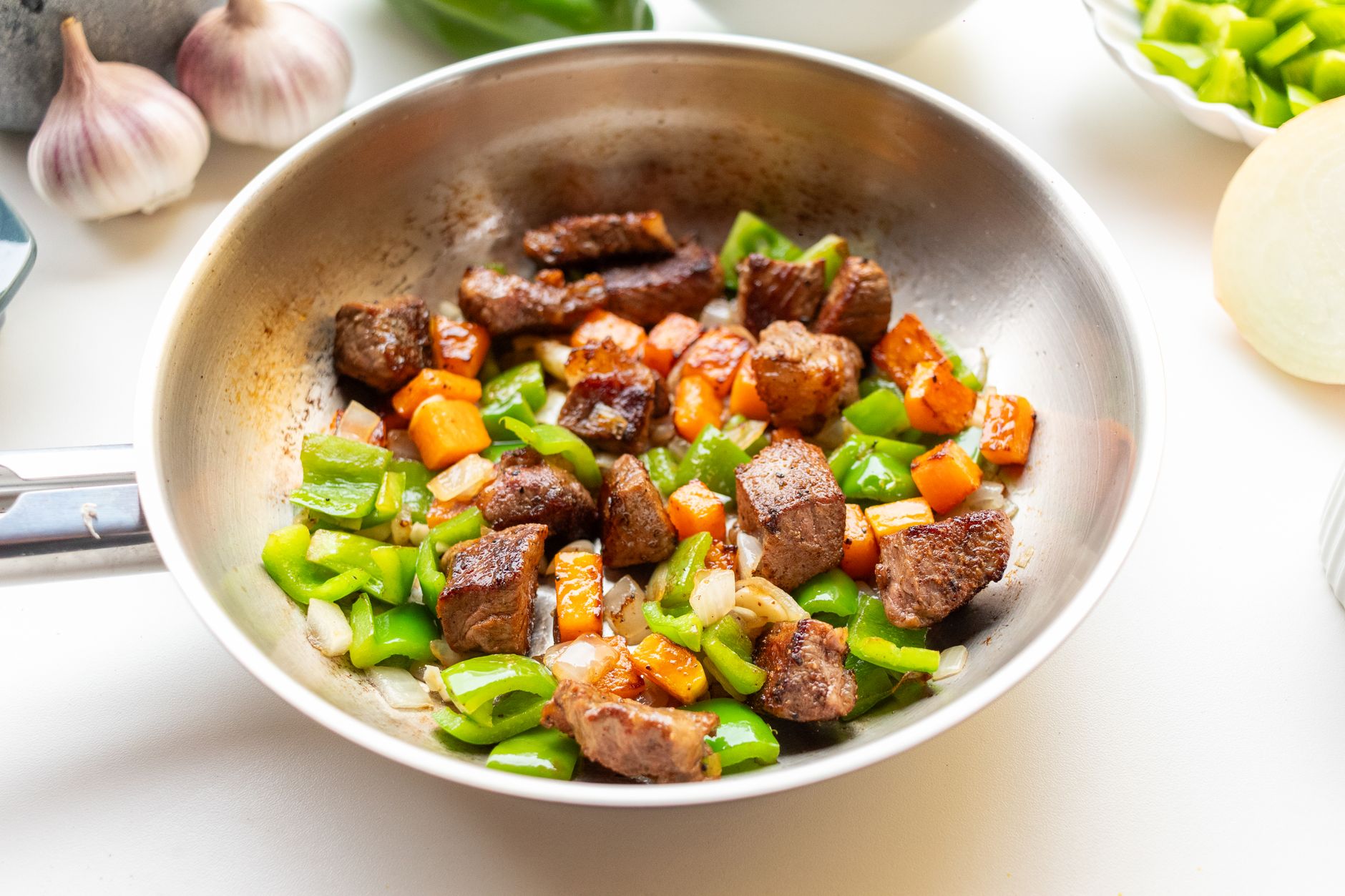
Sauteing carrots is a quick and easy method to enhance their natural sweetness while giving them a tender-crisp texture. Understanding the right timing and techniques can help elevate your dishes, whether you’re preparing a side, adding them to a stir-fry, or using them in soups. This guide will detail how long to saute carrots effectively, along with tips, techniques, and serving suggestions.
Carrots can be versatile ingredients in many culinary preparations. Knowing how to saute them properly allows you to enjoy their flavor in various dishes. This article covers the best practices for prepping, timing, and serving sauteed carrots.
How Long to Saute Carrots?
Generally, carrots should be sauteed for about 5 to 10 minutes over medium to medium-high heat. The exact time depends on the size of the carrot pieces; smaller pieces will cook faster, while thicker slices or whole carrots may take longer. Proper sauteing yields carrots that are tender yet still maintain a bit of crunch.
Preparation: Choosing and Preparing Carrots
Before you can saute carrots, it’s essential to select the right ones and prepare them adequately. Here’s what to consider:
Selecting Carrots
- Freshness: Look for carrots that are firm with vibrant color. Avoid those with soft spots or wilting.
- Size: Smaller carrots are often sweeter and more tender. However, larger carrots can be equally delicious if cut appropriately.
- Shape: Straight carrots are easier to slice evenly than twisted ones.
Preparing Carrots for Sauteing
- Washing: Clean the carrots under running water to remove dirt and debris.
- Peeled or Not: Peeling is optional; the skin can add texture and nutrients. If you choose to peel them, use a vegetable peeler.
- Cutting: Slice the carrots uniformly. You can opt for rounds, julienne, or matchstick cuts, depending on your dish.
The Sauteing Process
Now that you have selected and prepared your carrots, it’s time to dive into the sauteing process. Here we will outline the steps and techniques for getting perfectly sauteed carrots.
Equipment Needed
- A large skillet or frying pan
- A spatula or wooden spoon for stirring
- A cutting board and knife for prepping carrots
Steps to Sauteing Carrots
- Heat the Pan: Place your skillet over medium heat. Allow it to get hot enough that a drop of water sizzles upon contact.
- Add Fat: Pour in a tablespoon or two of oil (olive, vegetable, or butter). Wait until the fat is shimmering, which indicates it is hot enough.
- Add Carrots: Carefully add your sliced carrots to the pan, spreading them out evenly to promote even cooking.
- Sear the Carrots: Leave the carrots undisturbed for 2 minutes to develop color and flavor. After, begin stirring occasionally to ensure all sides get cooked.
- Timing: Continue sauteing for 5 to 10 minutes, depending on the thickness of your cuts. Check doneness by piercing a piece with a fork; they should be tender yet slightly crisp.
- Seasoning: During the last minute of cooking, add salt, pepper, or additional seasonings like garlic, herbs, or citrus juice as per your taste.
Serving Suggestions
Sauteed carrots can be served as a side dish, integrated into main dishes, or used as toppings. Here are a few ideas to inspire you:
As a Side Dish
- Pair with roasted meats like chicken or pork for a colorful plate.
- Top with fresh herbs such as parsley or basil for extra flavor.
In Stir-Fries
Combine sauteed carrots with other vegetables like bell peppers, broccoli, and protein sources such as chicken, beef, or tofu for a quick meal.
Add to Soups or Stews
Incorporate your sauteed carrots into warm soups or stews. Their natural sweetness and crunch can enhance heartier dishes.
Common Mistakes and Troubleshooting
Even the most seasoned cooks can make mistakes. Here are some common issues when sauteing carrots and how to solve them:
- Soggy Carrots: Ensure your pan is hot enough before adding the carrots. Stir too frequently can also cause them to steam rather than saute.
- Uneven Cooking: Cut carrots to uniform size so they cook evenly in the same amount of time.
- Overcooked Carrots: Keep an eye on the cooking time; they should retain some crunch.
Variations and Flavor Enhancements
Sauteed carrots can adapt to various flavors. Here are some popular variations:
- Sweet Glaze: Add a tablespoon of honey or maple syrup during the last minute of cooking for a sweet glaze.
- Spicy Kick: Include a pinch of red pepper flakes or fresh ginger to give your carrots some heat.
- Citrus Zest: Finish with a sprinkle of lemon or orange zest for a fresh, bright flavor.
Storage and Reheating Guidelines
If you’ve prepared too many sauteed carrots, you can store them properly for later use. Here’s how to do it:
Storing Sauteed Carrots
- Allow the sauteed carrots to cool to room temperature.
- Transfer them to an airtight container.
- Refrigerate for up to 4 days.
Reheating Sauteed Carrots
- Stovetop: Heat in a skillet over medium heat, stirring occasionally until warmed through.
- Microwave: Place in a microwave-safe dish with a bit of water to keep them moist, and cover. Heat in short intervals until hot.
Additional Cooking Tips for Carrots
To further enhance your cooking skills with carrots, consider the following tips:
- Experiment with Cooking Time: Different cooking times will yield different textures. Try varying the time to find your preferred level of doneness.
- Use a Combination of Cooking Techniques: Start with a quick blanch before sauteing for a different texture profile and bright color.
- Balance Flavors: Combining carrots with complementary flavors such as onion, garlic, or fragrant herbs can elevate their taste.
Conclusion
Understanding how long to saute carrots is essential for creating delicious and visually appealing dishes. With a few basic techniques and seasoning ideas, you can transform simple carrots into an impressive culinary delight. Whether you serve them as a side, in a stir-fry, or integrated into soups, the effort you put into sauteing can significantly enhance your meals.
For more tips on cooking vegetables, you can explore our guides on how to make sauteed cabbage and sauteed mushrooms. Happy cooking!