
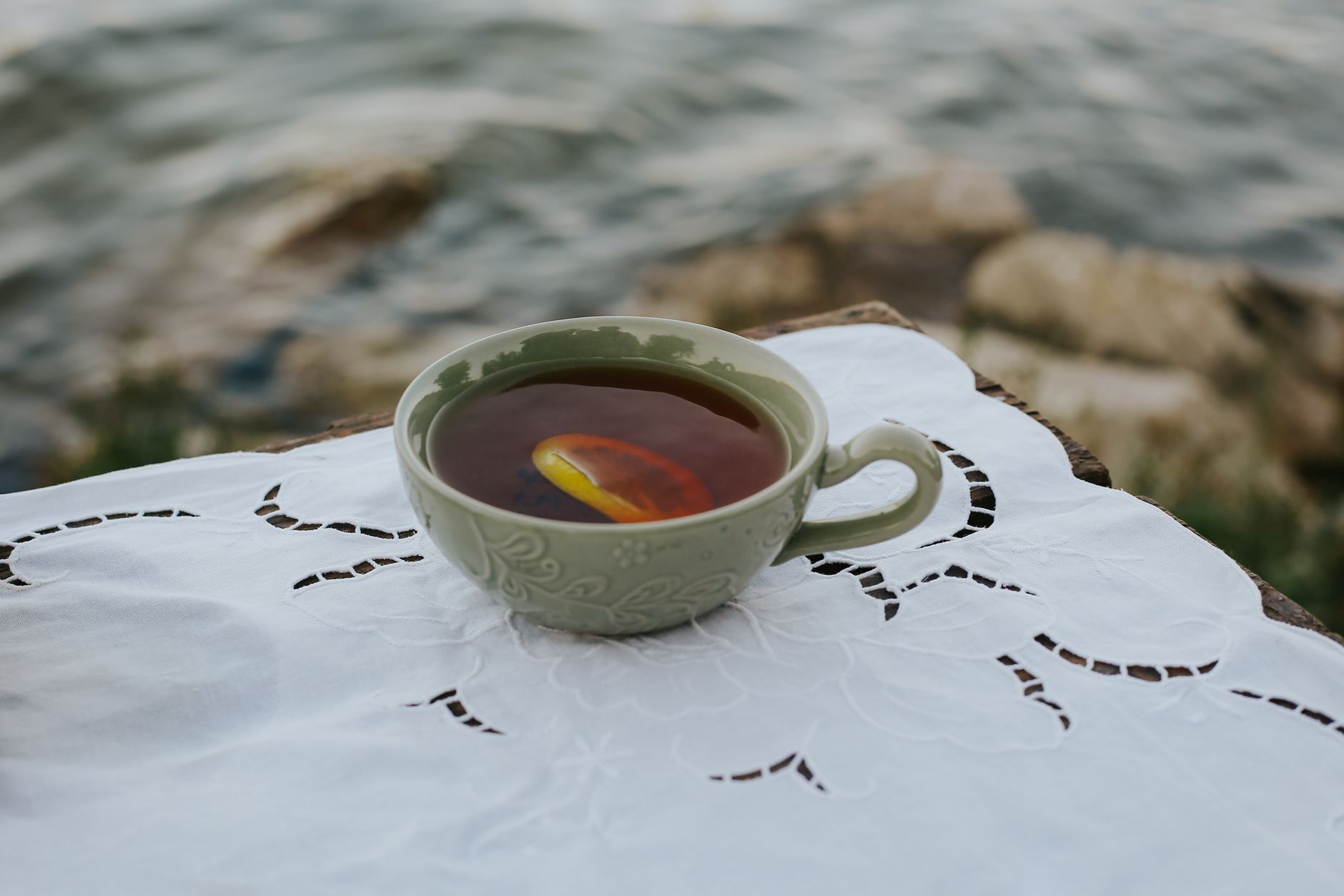
When it comes to preparing a comforting cup of tea, heating water is a fundamental step. While using a kettle is conventional, many people opt for the microwave for its speed and convenience. The big question is, how long should you heat water in the microwave for tea? Knowing the right time and temperature can ensure that you brew a perfect cup every time.
This guide will walk you through the ideal heating times, the appropriate water temperature for different types of tea, and tips to enhance your tea-making experience. Whether you’re a busy professional or just love the ease of a quick tea preparation, we’ve got you covered.
How Long to Heat Water in Microwave for Tea?
The ideal time to heat water in the microwave for tea generally ranges from 1 to 3 minutes, depending on your microwave’s wattage and the amount of water you’re heating. A temperature of 175°F to 212°F (80°C to 100°C) is recommended for steeping various types of tea effectively.
Understanding Tea Types and Optimal Water Temperatures
Different types of tea demand different water temperatures for optimal flavor extraction. Here’s a quick breakdown:
- Green Tea: 160°F to 180°F (70°C to 80°C) – Usually requires water heated for about 1 to 2 minutes.
- White Tea: 160°F to 185°F (70°C to 85°C) – Takes approximately 1 to 2 minutes to heat.
- Oolong Tea: 190°F to 200°F (90°C to 93°C) – Best heated for around 2 minutes.
- Black Tea: 200°F to 212°F (93°C to 100°C) – Can be heated for 2 to 3 minutes.
- Herbal Tea: 200°F to 212°F (93°C to 100°C) – Generally, about 2 to 3 minutes to reach boiling.
Why Temperature Matters
Using the right temperature is crucial as it impacts the flavor, aroma, and overall quality of the tea. Too hot, and you might extract unnecessary bitterness; too cool, and the flavor may be underwhelming. Understanding these nuances enhances your brewing prowess.
Tools Needed to Heat Water in the Microwave
Before you start, gather your supplies for the best experience:
- Microwave-safe container (preferably glass or ceramic)
- Tea leaves or tea bags
- A thermometer (optional, but helpful for precise temperature readings)
- A sturdy spoon for stirring
- Measuring cup for water
Step-by-Step Process to Heat Water in the Microwave
- Choose your container: Pick a microwave-safe cup or pitcher that is large enough for the amount of water you want.
- Add water: Measure the desired amount of water and pour it into the container.
- Heat the water: Place the container in the microwave and heat on high for 1 to 3 minutes, checking the time based on the amount and type of tea.
- Check the temperature: If you’re using a thermometer, check the water temperature to ensure it’s appropriate for your tea type.
- Remove cautiously: Use oven mitts or a towel as the container may become hot.
- Add tea: Add your tea leaves or tea bag to the hot water.
- Steep: Let the tea steep according to its type, usually between 2 to 5 minutes depending on the desired strength.
Common Mistakes to Avoid
Heating water in the microwave may seem straightforward, but there are several pitfalls to watch out for:
- Not using a microwave-safe container: Always ensure that your container is labeled microwave-safe to avoid harmful chemicals leaching into your drink.
- Overheating: Heating water beyond boiling can result in dangerous superheating, where water doesn’t visibly boil but can erupt when disturbed.
- Skipping the thermometer: If you wish to make the best brew, using a thermometer will give you greater control over your brewing temperature.
- Ignoring steep times: Leaving tea to steep for too long can lead to bitterness, particularly with delicate teas like green or white tea.
Troubleshooting Common Issues
If you find that your tea is not coming out as expected, consider the following solutions:
- Uneven heating: If you’re experiencing hot and cold spots, stir the water halfway through heating for more even temperatures.
- Weak flavor: This usually indicates that you either used insufficient tea or didn’t steep it long enough. Adjust by using more tea or extending the steep time.
- Overly bitter taste: This likely stems from too high a temperature or too long a steep. Lower the temperature or reduce steeping time for a more pleasant experience.
Long-Term Considerations for Microwave Heating
While microwaving water is convenient, regular kettle use has its own merits that you may want to consider. Slow boiling in a kettle allows for more control over temperature and reduces the risk of overcooking. Additionally, certain kettles have built-in temperature settings, simplifying the process tremendously.
Alternative Methods of Heating Water for Tea
If you want to explore other ways to heat water for tea, consider these options:
- Stovetop Kettle: Provides precise control over temperature and is a traditional favorite.
- Electric Kettle: Many electric kettles allow you to set specific temperatures, making them ideal for different types of tea.
- Instant Pot: You can use the sauté function to bring water to a simmer or boil, although this may take longer than a microwave or kettle.
Storing Leftover Hot Water
If you find yourself with leftover boiled water, here are tips for storing or reusing it:
- Let the water cool to room temperature before storing it in a covered container in the fridge for up to 24 hours.
- Use it within a day for the best flavor, as standing water can lose its freshness.
- Reheat the water in the microwave safely, ensuring it does not reach boiling again to avoid superheating.
Conclusion
Heating water in the microwave can be a straightforward and effective method for preparing tea when done correctly. By understanding the specific requirements for different tea types, avoiding common mistakes, and applying troubleshooting techniques, you can achieve the perfect brew every time. Whether you’re a casual tea drinker or an aficionado, mastering these basics will enhance your tea experience.
For more insights into other culinary topics, explore how to tell if salmon is bad or learn what black tea is.