
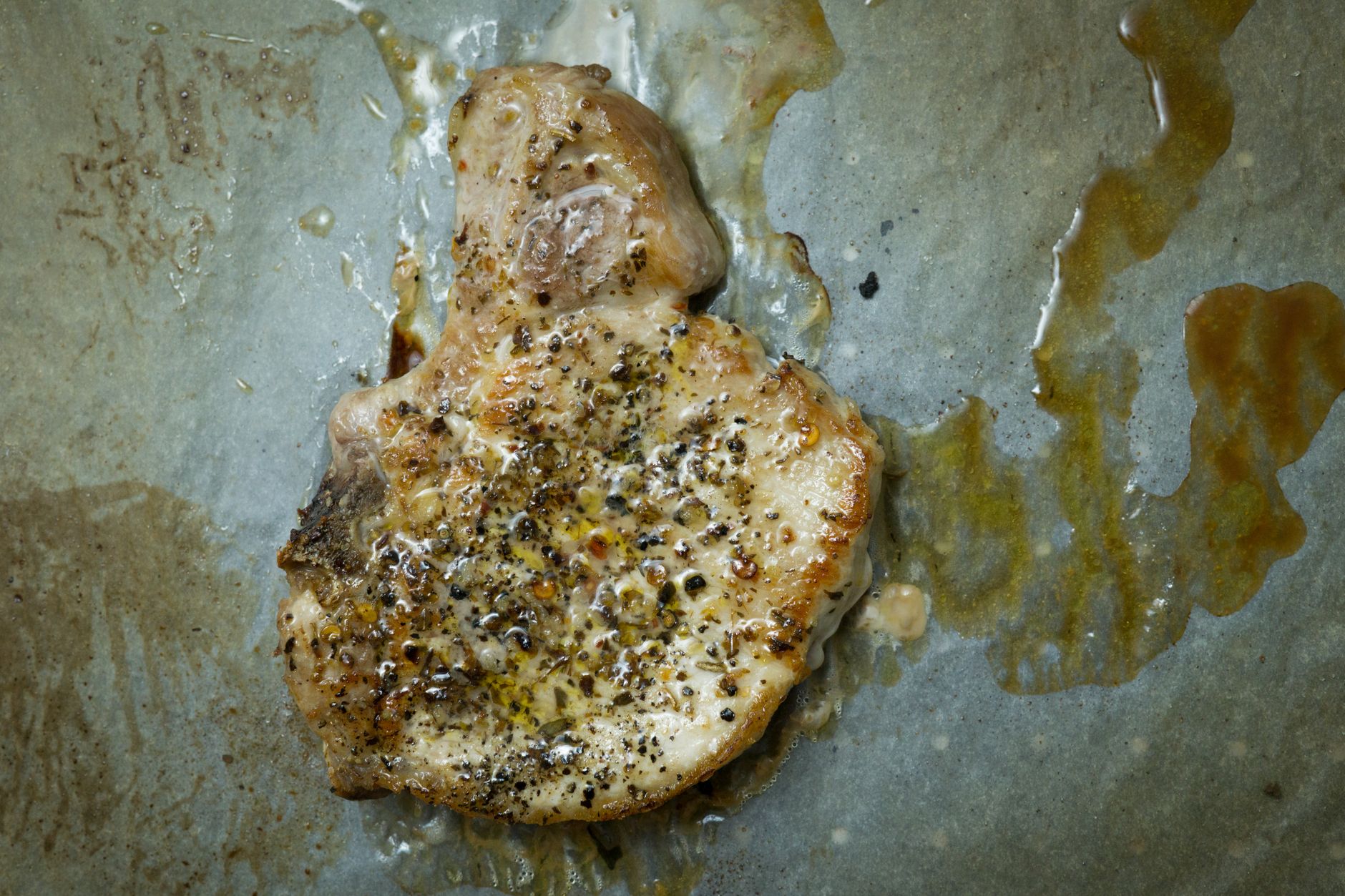
Pork roast is a beloved dish known for its savory flavor and tender texture. When properly cooked, it can be the star of any dinner table, whether for a holiday feast or a regular family meal. But if you’re asking how long to cook pork roast in the oven at 350°F, you’re likely looking for practical guidance to ensure your roast turns out perfectly.
This article will walk you through the essential details of cooking a pork roast at 350°F. We will cover cooking times, preparation tips, ingredient choices, and troubleshooting, making it a comprehensive guide for both novice and experienced cooks alike.
How Long to Cook Pork Roast in Oven at 350?
The cooking time for a pork roast at 350°F generally ranges from 20 to 25 minutes per pound. Therefore, for a typical 3-pound roast, you should aim for a cooking duration of approximately 1 hour and 15 minutes to 1 hour and 30 minutes. However, the best way to ensure your pork roast is done is by using a meat thermometer to check for doneness.
The USDA recommends a minimum internal temperature of 145°F for pork, with a resting time of 3 minutes before slicing. This allows for safe consumption while ensuring juiciness and flavor. Keep in mind that factors such as the roast’s shape and thickness, oven calibration, and whether it is bone-in or boneless can all influence cooking time.
Understanding Pork Cuts for Roasting
Before we dive into cooking, it’s important to understand the different cuts of pork commonly used for roasting. Each cut differs in flavor, tenderness, and recommended cooking techniques. Here are the most popular ones:
- Pork Loin: This is a lean cut that yields a tender roast. Ideal for slow-roasting, it is beautiful when served with fruits or savory sauces.
- Pork Shoulder: Known for its rich flavor due to higher fat content, shoulder roasts are excellent for slow-cooking. While they tend to take longer, they provide great texture when cooked properly.
- Pork Tenderloin: This is the most tender cut of pork but cooks quickly. A tenderloin roast will usually take less time than other cuts.
- Pork Rib Roast: This cut is often associated with special occasions. It has a rich flavor and is usually ribbed, making it tender and flavorful.
Essential Equipment for Cooking Pork Roast
Having the right equipment can greatly enhance your cooking experience. Here’s a list of tools that will come in handy:
- Roasting Pan: A sturdy roasting pan allows even heat distribution.
- Meat Thermometer: This tool is essential for ensuring your roast is cooked to the right temperature.
- Foil: Aluminum foil can be used to tent the roast during cooking to retain moisture.
- Sharp Knife: A sharp knife is crucial for slicing the roast neatly after cooking.
- Cutting Board: Helps in safely cutting the roast and catching juices that would otherwise spill.
Preparation: Ingredients and Seasoning
The flavor profile of your pork roast relies heavily on the ingredients and seasoning you choose. Below is a simple list of items you will need to prepare a flavorful pork roast:
- 1 pork roast (3-5 pounds)
- 2 tablespoons olive oil
- 2 teaspoons salt
- 1 teaspoon black pepper
- 2 cloves garlic, minced
- 1 tablespoon fresh rosemary or thyme (or 1 teaspoon dried)
- 1 cup chicken broth (optional)
Additional Flavor Enhancements
Feel free to customize the seasoning based on your preferences. Here are a few suggestions:
- Mustard Paste: Spreading a layer of mustard on the roast before seasoning adds a layer of flavor.
- Honey or Maple Syrup: For a sweet glaze, combine honey with soy sauce for an enticing marinade.
- Vegetables: For added flavor, place chopped onions, carrots, or potatoes in the roasting pan.
Cooking Instructions: Step by Step
Now that you are prepared, here is a step-by-step guide to roasting your pork at 350°F:
- Preheat your oven: Preheat the oven to 350°F (175°C) to ensure even cooking.
- Prepare the pork: Pat the roast dry using paper towels. This helps in browning the meat.
- Season the roast: Rub the olive oil, salt, pepper, minced garlic, and herbs all over the pork roast to enhance flavor.
- Place in roasting pan: Position the seasoned pork roast in the roasting pan, fat side up. This allows the fat to baste the meat as it cooks.
- Add liquid (optional): Pour the chicken broth into the bottom of the roasting pan to keep the pork moist.
- Roast in the oven: Slide the roasting pan into the preheated oven. Cooking time typically averages around 20-25 minutes per pound.
- Check the temperature: Start checking the internal temperature of the pork roast at the lower end of the cooking range. Use a meat thermometer to check the thickest part of the roast.
- Rest before serving: When your roast reaches an internal temperature of 145°F, remove it from the oven and tent it loosely with foil. Let it rest for about 10-15 minutes before slicing.
Common Mistakes and Troubleshooting
- Not using a meat thermometer: Relying solely on cooking time can lead to overcooked or undercooked meat. A thermometer is essential for accuracy.
- Cooking at too high a temperature: Cooking pork too quickly can lead to dryness. Stick to the recommended 350°F for the best results.
- Skipping the resting period: Cutting into the roast immediately after cooking will cause the juices to run out, making the meat dry.
- Not seasoning adequately: Make sure to season not just the exterior, but also to create Flavor layers if you plan to marinate or inject the pork.
Serving Suggestions and Pairings
- With sides: Traditional sides such as mashed potatoes, steamed vegetables, or a fresh salad pair well with pork roast.
- As sandwiches: Leftover pork can be sliced and used in sandwiches with a tangy barbecue sauce.
- With fruit salsas: Fruits like apples or cranberries can add a refreshing contrast to the savory roast.
Leftovers: Storage and Reheating Tips
- Storage: Wrap leftover pork tightly in aluminum foil or plastic wrap, or store it in an airtight container. It can be refrigerated for up to 3-4 days.
- Freezing: You can also freeze leftover pork for up to 2-3 months. When ready to use, thaw it in the refrigerator overnight.
- Reheating: Reheat leftovers in the oven at 300°F until warmed through, or use the microwave on medium heat in shorter increments.
Variations and Substitutions
- Herb Variations: Feel free to swap out different herbs, such as sage or oregano, based on what you enjoy.
- Using different fats: If olive oil isn’t available, other fats such as melted butter or canola oil can be good alternatives.
- Adding fruits: You may add fruits such as pineapple or peaches to the roasting pan for a sweet and savory dish.