
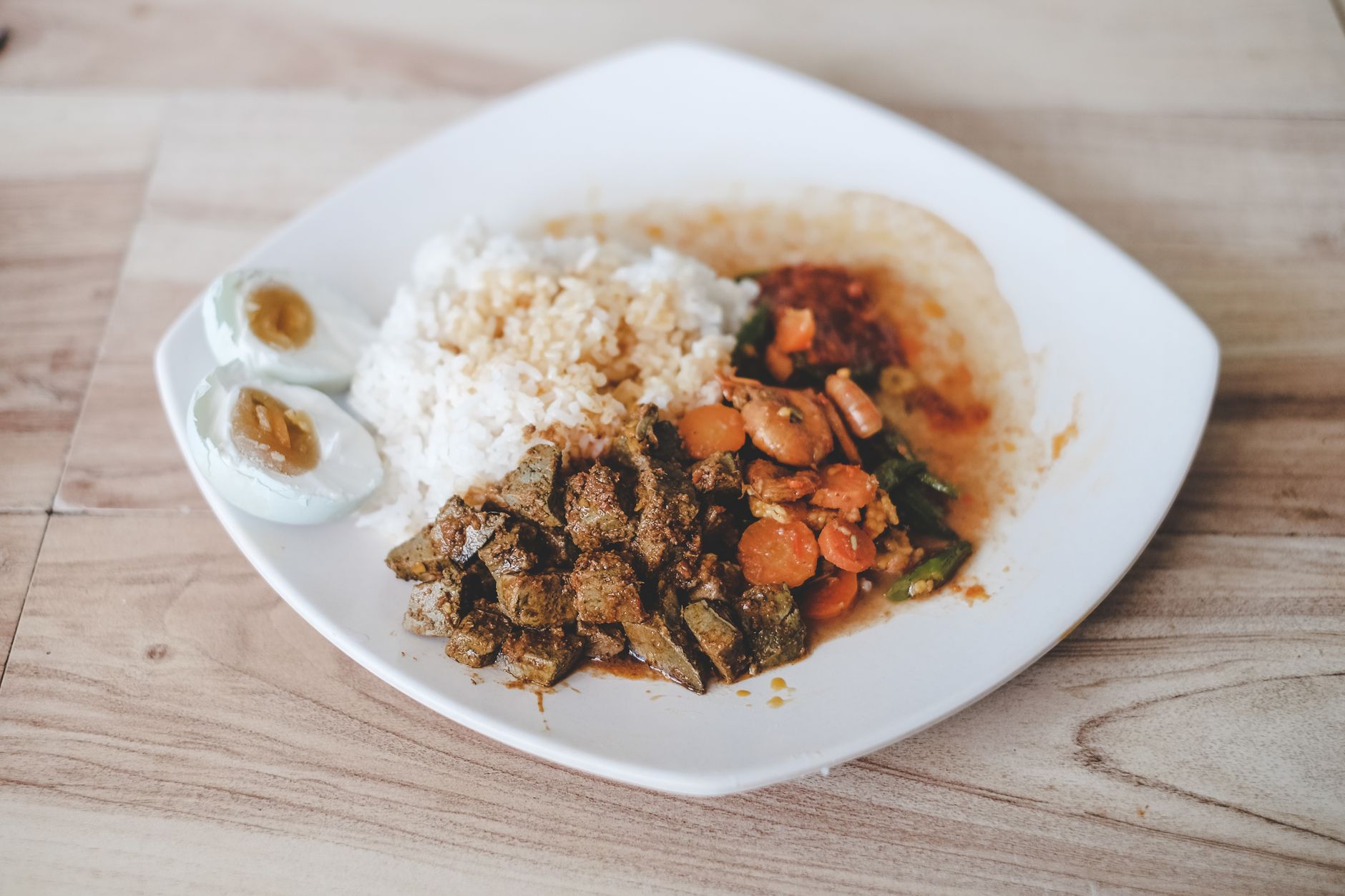
Many home cooks may shy away from cooking chicken liver due to its unique texture and flavor, but this ingredient can be a delicious addition to various dishes when prepared correctly. Understanding how long to cook chicken liver is essential for achieving the optimal tenderness and savoriness.
This guide will help you confidently cook chicken liver, detailing the timing, temperatures, techniques, and best practices. Whether you want to sauté, grill, or incorporate them into a dish, knowing how to cook chicken liver properly will enhance your cooking repertoire.
How Long to Cook Chicken Liver?
The cooking time for chicken liver typically ranges between 5 to 10 minutes, depending on the method used and the doneness desired. It is crucial to cook chicken liver until it reaches an internal temperature of 165°F (74°C) to ensure food safety.
Understanding Chicken Liver
Chicken liver is a rich and flavorful organ meat high in nutrients. It is often used in various cuisines for dishes like pâtés, spreads, or simply sautéed as a main dish. The texture of properly cooked chicken liver is tender yet slightly firm, with a savory flavor that lends itself well to various seasonings and accompaniments.
Cooking Techniques for Chicken Liver
Several cooking techniques can be used when preparing chicken liver, each affecting the final taste and texture. Below are some popular methods:
Sautéing
Sautéing is one of the most common methods for cooking chicken liver, providing a quick, flavorful result. This technique involves cooking the liver in a small amount of fat over medium to high heat, allowing it to brown while maintaining tenderness.
Time and Temperature
For sautéing chicken liver, cook for about 5-7 minutes:
- Heat a skillet over medium-high heat.
- Add about 2 tablespoons of oil or butter.
- Once the fat is hot, add the livers and cook, stirring occasionally, until browned.
Grilling
Grilling gives chicken liver a smoky flavor. This method is less common due to the small size and delicate nature of the liver, but it can yield tasty results.
Time and Temperature
Grill chicken livers for approximately 6-8 minutes:
- Preheat your grill to a medium-high temperature.
- Use skewers or a grill basket to keep the livers from falling through the grates.
- Cook the livers, turning occasionally, until they reach the desired internal temperature.
Braising
Braising chicken liver involves cooking it slowly in liquid, which helps to make it tender and infuse it with flavor.
Time and Temperature
Braise chicken liver for about 15-20 minutes:
- Start by searing the livers in a hot pan.
- Add onions, garlic, or herbs, then pour in a flavorful liquid like broth or wine.
- Cover and simmer until the livers are tender and cooked through.
Baking
Baking chicken liver can be a hands-off approach that still yields delicious results. This method often involves incorporating the liver into a dish like a pâté or casserole.
Time and Temperature
Bake chicken liver dishes at 350°F (175°C) for about 25-30 minutes:
- Prepare your dish with all ingredients included.
- Place it in a preheated oven and bake until the liver is cooked through.
How to Tell When Chicken Liver is Done
Checking the doneness of chicken liver is essential for both texture and food safety. Here are some methods to gauge if your chicken liver is cooked properly:
Using a Meat Thermometer
The most reliable method is to use an instant-read meat thermometer. Insert the thermometer into the thickest part of the liver, aiming for an internal temperature of 165°F (74°C).
Visual Cues
While visual cues should not replace the thermometer, they can be helpful. Cooked chicken livers will appear brown on the outside with a slight pink hue on the inside. They should not be spongy or overly soft.
Common Mistakes to Avoid
Cooking chicken liver can be straightforward, but there are common pitfalls to watch for to ensure the best results:
- Overcooking: Chicken liver cooks quickly and can become tough if overdone. Monitor cooking times closely.
- Using High Heat: Cooking at excessively high heat may brown the outsides while leaving the insides undercooked.
- Neglecting to Clean: Always clean chicken livers thoroughly to remove any membranes or blood vessels before cooking.
Flavor Enhancements
Chicken liver has a robust flavor that can be complemented by a variety of seasonings and ingredients:
- Herbs: Fresh herbs like thyme, rosemary, and parsley work well.
- Spices: Cumin, paprika, and pepper can enhance the liver’s natural flavor.
- Aromatics: Onions and garlic provide a savory base for many chicken liver dishes.
- Liquids: Wine, broth, or cream can add depth when sautéing or braising.
Serving Suggestions
Once you’ve cooked your chicken liver, you may be wondering how to serve it. Here are some exciting ideas:
- Pâté: Blend cooked livers with butter, cream, and seasonings for a rich spread.
- On Toast: Serve sautéed livers on toasted bread with a drizzle of balsamic reduction.
- As a Main Dish: Pair cooked livers with mashed potatoes or grains for a hearty meal.
Storage and Reheating Tips
Properly storing and reheating chicken liver is key for safety and quality:
Storage
Cooked chicken livers can be stored in an airtight container in the refrigerator for up to 3 days. Always allow them to cool completely before refrigeration.
Reheating
When reheating, do so gently to maintain tenderness:
- Use low heat on the stovetop, adding a splash of water or broth to retain moisture.
- A microwave can be used, but ensure to heat in short intervals to avoid drying out the liver.
Ingredient Substitutions
If you’re unable to find chicken liver or want a variation, consider these alternatives:
- Beef Liver: A richer taste but requires a similar cooking approach. Adjust timing as beef liver may take longer to cook.
- Pork Liver: Milder flavor that can be used in many of the same dishes as chicken liver.
- Mushrooms: For a vegetarian option, sautéed mushrooms can mimic some of the textures found in chicken liver dishes.
Conclusion
Cooking chicken liver can open a new world of culinary delights, from savory spreads to hearty dishes. By understanding the cooking times, techniques, and flavoring options, you can create meals that are delicious and satisfying. Remember to monitor cooking times and temperatures closely for optimal results.
For more information on storing cooked chicken, check out how long does cooked chicken last or learn about the health benefits of chicken liver at how long does cooked chicken last and is chicken liver good for you.