
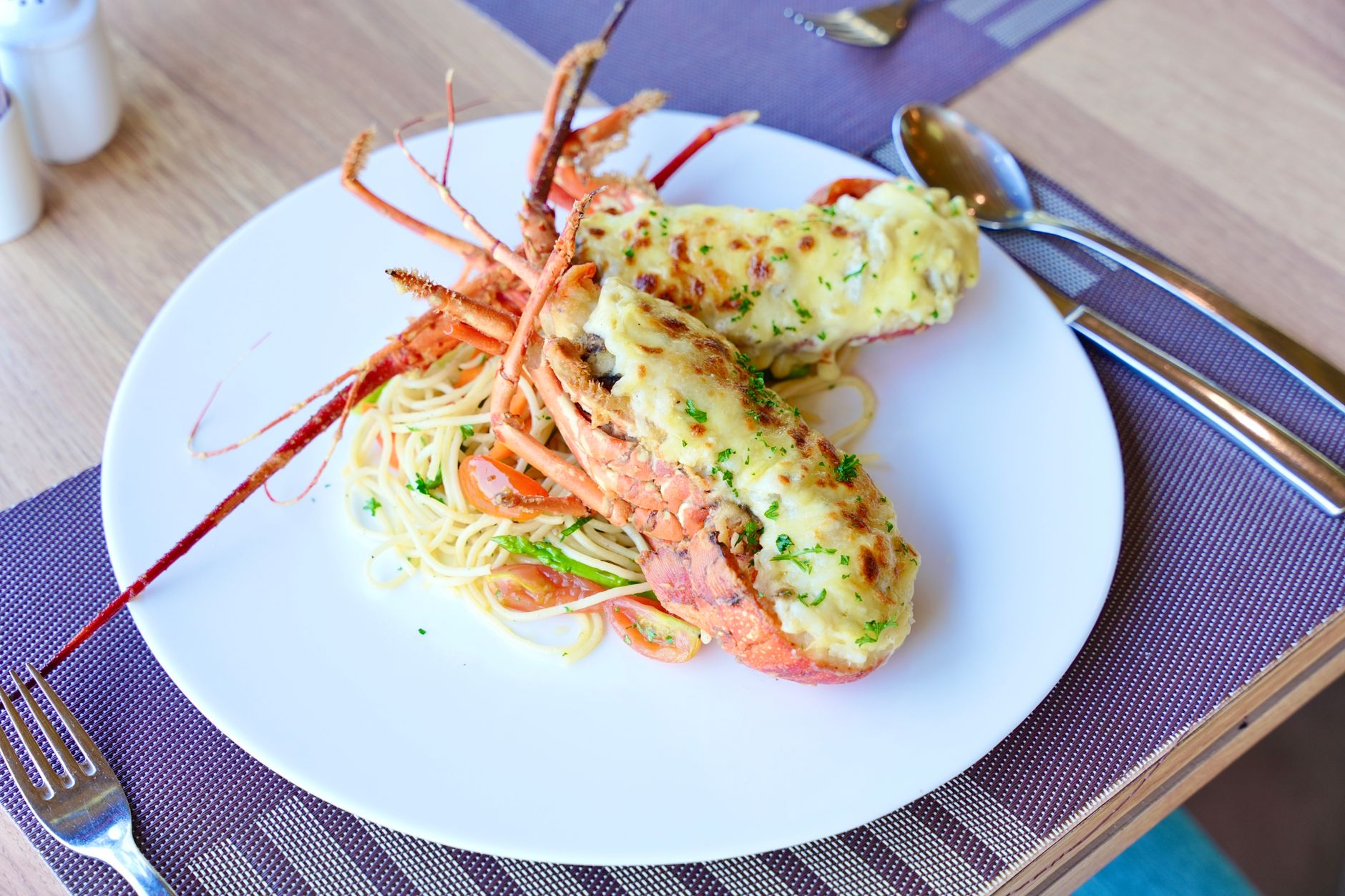
If you’re looking to enjoy a delicious and elegant meal, broiling lobster can be an excellent choice. Broiling is a quick cooking method that allows the rich flavors of lobster to shine through, resulting in a succulent dish that’s perfect for special occasions or a weeknight treat. Understanding proper cooking times and how to gauge doneness will help ensure that you create a perfectly broiled lobster every time.
This article will guide you through the essential details of broiling lobster, including cooking times, doneness checks, and helpful tips for preparation. Whether you are new to cooking seafood or an experienced professional, these insights will make broiling lobster an enjoyable experience.
How Long To Broil Lobster?
The general cooking time to broil lobster tails is about 8 to 12 minutes, depending on the size of the tail. Lobster tails typically need to cook for roughly 1.5 minutes per ounce when broiled. You’ll know the lobster is done when it turns opaque and the internal temperature reaches 140°F to 145°F.
Understanding the Broiling Process
Broiling is essentially a cooking method that uses high, direct heat from above to cook food, similar to grilling but inverted. The intense heat helps to caramelize the natural sugars in the seafood, enhancing its flavor. Lobsters, with their delicate texture, are particularly suited to this method, leading to tender meat with a slightly charred exterior.
Choosing Lobster: Fresh or Frozen?
When preparing to broil lobster, you have the option of using fresh or frozen lobsters. Both choices come with their own set of advantages:
- Fresh Lobster: Offers the best flavor and texture, often found at seafood markets. It’s usually alive or just recently cooked.
- Frozen Lobster: Convenient and can be more economical. Ensure that it is flash-frozen to preserve quality.
Regardless of the choice, opt for high-quality lobster for the best results. Inspect the shell for any cracks, and for live lobsters, check for movement. For frozen tails, look for any signs of freezer burn.
Preparing Lobster for Broiling
Preparation is key to a successful broiled lobster dish. Here’s how to prepare lobster tails properly:
- Thawing: If using frozen lobster tails, thaw them in the refrigerator for at least 8 hours or overnight. You can also run cold water over them for quicker thawing. Avoid thawing at room temperature.
- Cutting the Shell: Using kitchen shears, gently cut through the top shell down to the tail without cutting all the way through. This will expose the lobster meat.
- Remove the Vein: Remove any visible vein or remnants from the tail for a cleaner presentation.
- Prepping: Rinse the lobster tail under cold water, then pat it dry with a paper towel. This helps to ensure even cooking.
Broiling Lobster: Cooking Times
When broiling lobster tails, cooking times are primarily determined by their weight. Here’s a quick reference:
| Tail Weight | Cooking Time |
|---|---|
| 4 ounces | 6 to 8 minutes |
| 6 ounces | 8 to 10 minutes |
| 8 ounces | 10 to 12 minutes |
| 10 ounces | 12 to 14 minutes |
As the size of the lobster tail increases, anticipate needing a few additional minutes. Always monitor closely, as broiling can cook quickly.
How to Broil Lobster
Follow these detailed steps to achieve perfectly broiled lobster:
- Preheat the Broiler: Set your broiler to high and place the oven rack about 6 inches from the heating element. Allow the broiler to preheat for about 10 minutes.
- Prepare the Lobster: Place the prepared lobster tails on a sturdy broiler pan, cut side up. This allows for even heat exposure.
- Seasoning: Drizzle melted butter or olive oil over the meat, and season with salt, pepper, and any desired herbs or spices. Garlic and lemon juice work wonderfully as flavor enhancers.
- Broil: Place the pan under the broiler. Monitor closely and cook according to the weight chart mentioned earlier, flipping them halfway through for even cooking. Do not overcrowd the pan.
- Check Doneness: Use an instant-read thermometer to check the internal temperature—aim for 140°F to 145°F. The lobster meat should be opaque and firm to the touch, while the shell should turn a bright red color.
- Rest and Serve: Allow the lobster to rest for a few minutes after removing it from the broiler. This helps redistribute the juices. Serve with additional melted butter for dipping.
Checking for Doneness
Utilizing proper doneness checks is crucial to ensure that the lobster is not overcooked, which can result in a rubbery texture:
- Visual Cues: The meat should turn from translucent to opaque, and the shell should take on a bright red hue.
- Touch Test: Gently press the meat with a fork; it should feel firm but not overly hard.
- Temperature Check: Using a food thermometer is the most reliable method. For lobster, aim for an internal temp of 140°F to 145°F.
- Time Monitoring: Stick to the recommended cooking times, remembering the guideline of 1.5 minutes per ounce will help guide your timing.
Common Mistakes to Avoid
Broiling, while straightforward, can lead to errors if not executed carefully. Here are common mistakes to avoid:
- Overcooking: It’s easy to overcook lobster since it can turn rubbery quickly. Keep a close eye on the cooking process.
- Not Preheating: Failing to preheat the broiler can lead to uneven cooking. Always ensure it’s fully heated before placing the lobster inside.
- Ignoring Thickness: Cook lobster tails of varying sizes separately. Thin tails will cook faster than thicker ones.
- Using Too Much Heat: While broiling is high heat cooking, if it’s set too high, you risk burning before the inside is done.
Flavor Variations and Substitutions
If you want to customize the flavor of your broiled lobster, there are plenty of options. Here are some popular ingredients and substitutions:
- Herbs: Fresh parsley, basil, or rosemary can be added for extra aromatics.
- Spices: Old Bay seasoning, cayenne pepper, or paprika can provide a kick.
- Fats: Instead of butter, consider using garlic-infused olive oil or herbed compound butter for a different flavor profile.
- Acid: A squeeze of lemon or lime before serving can add brightness to the dish.
Experimenting with different combinations can lead to exciting new flavors and elevate your standard broiled lobster.
Serving Suggestions
Broiled lobster can stand on its own as a luxurious dish, but pairing it with complementary sides can create a well-rounded meal:
- Garlic Bread: Perfect for soaking up all that delicious butter.
- Grilled Vegetables: Asparagus or zucchini makes for an appealing and healthy side.
- Classic Salad: A fresh arugula or Caesar salad complements the seafood nicely.
- Pasta or Risotto: Combine with lemony pasta or creamy risotto for a filling meal.
Storage and Reheating Tips
If you have leftover broiled lobster, it’s essential to store it properly:
- Refrigeration: Store leftover lobster in an airtight container in the fridge for up to 2 days.
- Freezing: If you need to keep it longer, consider freezing it. Seal in a vacuum bag or tightly wrap in foil. It can last in the freezer for about 3 months.
- Reheating: For reheating, avoid the microwave as this can overcook it. Instead, reheat in a warm oven or a stovetop skillet until warmed through.
Exploring More Lobster Recipes and Techniques
Broiling lobster is just one of many ways to enjoy this delectable seafood. If you’re interested in further enhancing your culinary skills or looking for new lobster-based recipes, consider exploring:
Whether you’re preparing a romantic dinner or serving guests, broiled lobster can be an impressive and delicious choice. By following the proper cooking times and checking for doneness, you can ensure a decadent dish every time. Happy cooking!