
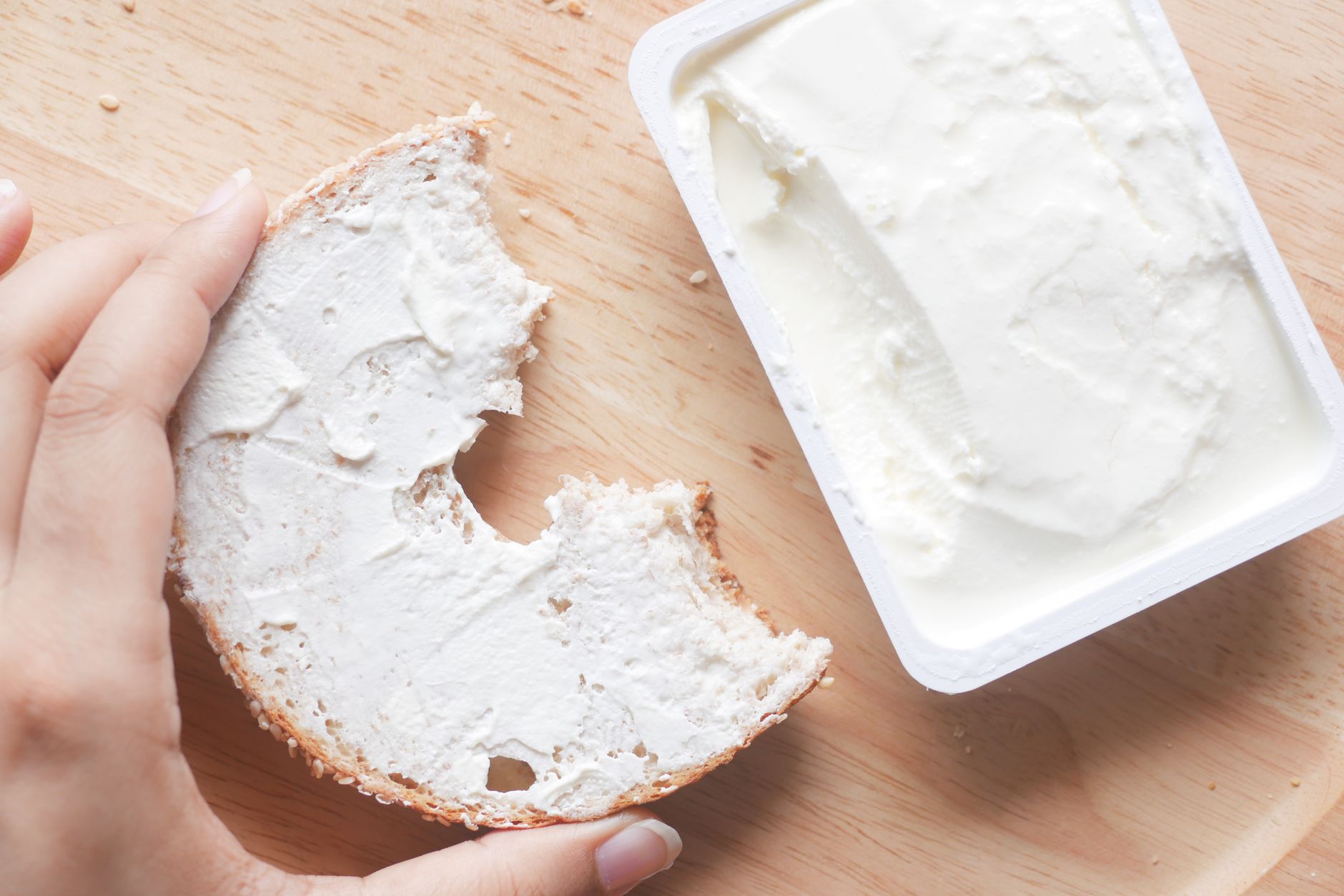
Pregnancy can lead to a plethora of questions about what foods are safe to eat. One common query is whether it’s safe to consume cream cheese during this critical time. Understanding the elements of cream cheese, its production, and how it fits into a pregnancy-friendly diet can help you make informed decisions.
This article will provide insights into the safety of cream cheese when pregnant, offer guidelines on portions, and highlight delicious ways to incorporate it into your meals while ensuring you maintain a balanced diet.
Can You Eat Cream Cheese While Pregnant?
Yes, you can safely eat cream cheese while pregnant, provided it is made from pasteurized milk. Cream cheese is a versatile ingredient that can be a part of various meals and snacks. However, it’s essential to pay attention to product labels to ensure you are consuming a safe product throughout your pregnancy.
Understanding Cream Cheese
Cream cheese is a soft, spreadable cheese made from a mixture of cream and milk. Its creamy texture and mild flavor make it popular in various culinary applications, from spreads to fillings and toppings. Here’s a deeper look into cream cheese:
- Ingredients: Typical cream cheese contains milk, cream, salt, and stabilizers.
- Texture and Flavor: It has a smooth, creamy texture and a mild, slightly tangy flavor that pairs well with both sweet and savory dishes.
- Culinary Uses: Cream cheese is commonly used in cheesecakes, frostings, dips, bagels, and various savory dishes.
Is Cream Cheese Safe During Pregnancy?
The primary concern for pregnant individuals is the risk of foodborne illnesses caused by certain bacteria, such as Listeria. Listeriosis can be particularly dangerous during pregnancy, potentially leading to severe complications. Therefore, it’s important to ensure that any dairy product, including cream cheese, is pasteurized.
Pasteurization Matters
Most commercial cream cheese is made using pasteurized milk, which means it is heated to kill harmful bacteria. When buying cream cheese, look for labels that clearly indicate it is made from pasteurized milk. Avoid any artisanal or homemade cream cheese that does not explicitly state it is pasteurized, as these may carry a higher risk.
Portion Control and Moderation
While cream cheese is safe to consume when pasteurized, it is still essential to practice moderation. Cream cheese is calorie-dense and high in fat, which can contribute to excessive weight gain if consumed in large amounts. Consider the following portion guidelines:
- Serving Size: A typical serving is about 2 tablespoons (30 grams) of cream cheese.
- Daily Intake: Consider limiting your intake to 1-3 servings per week within a balanced diet.
- Healthy Balance: Pair cream cheese with fruits, vegetables, whole grains, or healthy proteins for a more balanced snack or meal.
Delicious Ways to Use Cream Cheese
With its creamy texture, cream cheese can elevate a variety of dishes. Here are some delicious and safe ways to enjoy cream cheese during pregnancy:
1. Cream Cheese Spread
Create a flavorful spread by mixing cream cheese with herbs, spices, or honey. This can be used on bagels, crackers, or as a veggie dip. Consider these variations:
- Herbed Cream Cheese: Combine cream cheese with chopped fresh herbs like dill, chives, or parsley.
- Spicy Cream Cheese: Mix in sriracha, jalapeños, or red pepper flakes for a kick.
- Sweet Cream Cheese: Add honey or maple syrup along with cinnamon for a sweet breakfast topping.
2. Cream Cheese in Cooking
Incorporate cream cheese into cooked dishes for added creaminess and flavor. Some ideas include:
- Pasta Dishes: Stir cream cheese into pasta sauces for a rich, creamy texture.
- Stuffings: Use cream cheese as a stuffing in chicken breast or peppers, adding herbs and spices for flavor.
- Soups: Blend cream cheese into soups to achieve a smooth and creamy consistency.
3. Baking with Cream Cheese
Cream cheese is a popular ingredient in many baked goods. Here are some delicious options:
- Cheesecakes: A classic dessert where cream cheese is the star ingredient. Ensure it’s made with pasteurized cream cheese for safety.
- Frostings: Combine cream cheese with powdered sugar for a tangy frosting option that pairs well with cakes and cupcakes.
- Muffins and Bread: Use cream cheese in muffin batters or quick breads for added moisture and richness.
Common Concerns and Misconceptions
When it comes to pregnancy nutrition, there are many misconceptions. Here are a few points to clarify regarding cream cheese:
Fat Content
Cream cheese is often criticized for its fat content. While it does contain saturated fats, these fats can be part of a balanced diet when consumed in moderation. Aim for a varied diet that incorporates healthy fats from sources like avocados, nuts, and olive oil rather than eliminating all fats.
Caloric Intake
During pregnancy, there is an increased caloric intake required, particularly in the second and third trimesters. However, this does not mean one should indulge in calorie-dense foods like cream cheese excessively. Focus on nutritious foods that provide essential vitamins and minerals for both you and your baby.
Allergies and Sensitivities
Some individuals may be lactose intolerant or sensitive to dairy products. If you experience discomfort after consuming cream cheese, consider seeking alternatives. There are dairy-free cream cheese options available made from nuts or tofu that offer similar texture and flavor.
Making Your Own Cream Cheese
If you prefer an added layer of control over the ingredients you consume, making your own cream cheese is quite simple. Here’s a basic recipe:
Homemade Cream Cheese Recipe
This simple recipe requires just a few ingredients and minimal effort.
Ingredients:
- 8 ounces of softened cream cheese
- 1 tablespoon of fresh lemon juice
- 1 tablespoon of finely chopped herbs (optional)
- Salt to taste
Equipment:
- Mixing bowl
- Electric mixer or whisk
- Spatula
Directions:
- In a mixing bowl, combine the softened cream cheese and lemon juice.
- Using an electric mixer or whisk, blend until smooth and creamy.
- Add herbs and salt to taste, mixing well.
- Store in an airtight container in the refrigerator for up to one week.
Frequently Asked Questions About Cream Cheese and Pregnancy
Here are some common questions regarding cream cheese consumption during pregnancy:
Is all cream cheese safe to eat during pregnancy?
Not all cream cheese is safe. Always choose commercial cream cheese that is pasteurized. Avoid unpasteurized or homemade varieties unless you are certain of their safety.
What are the alternatives to cream cheese if I want something different?
If you’re looking for alternatives, options include Greek yogurt, ricotta cheese, or dairy-free cream cheese made from nuts or soy. Each alternative has a unique flavor and texture, so choose according to your preference and dietary restrictions.
Can cream cheese contribute to gestational weight gain?
Cream cheese can contribute to weight gain if consumed in excessive quantities. Focus on moderation and a balanced diet to ensure healthy weight gain during pregnancy.
Storing Cream Cheese Properly
Proper storage is essential to maintain the quality and safety of cream cheese:
- Refrigeration: Store cream cheese in the refrigerator at or below 40°F (4°C).
- Sealed Packaging: Keep it tightly sealed in its original packaging or in an airtight container to prevent moisture and odors from other foods.
- Expiration Date: Pay attention to expiration dates, and use it before this date for the best quality and safety.
Conclusion
Cream cheese can be a delightful and safe addition to a pregnant person’s diet when made with pasteurized milk. It offers versatility in various dishes, from spreads to baking. Remember to consume it in moderation and always check for pasteurization to ensure safety.
For those who want to explore more delicious possibilities, consider trying a smoked cream cheese recipe or a cream cheese rangoon recipe for a tasty snack or appetizer. Enjoy cooking and nourishing your body during this special time!