
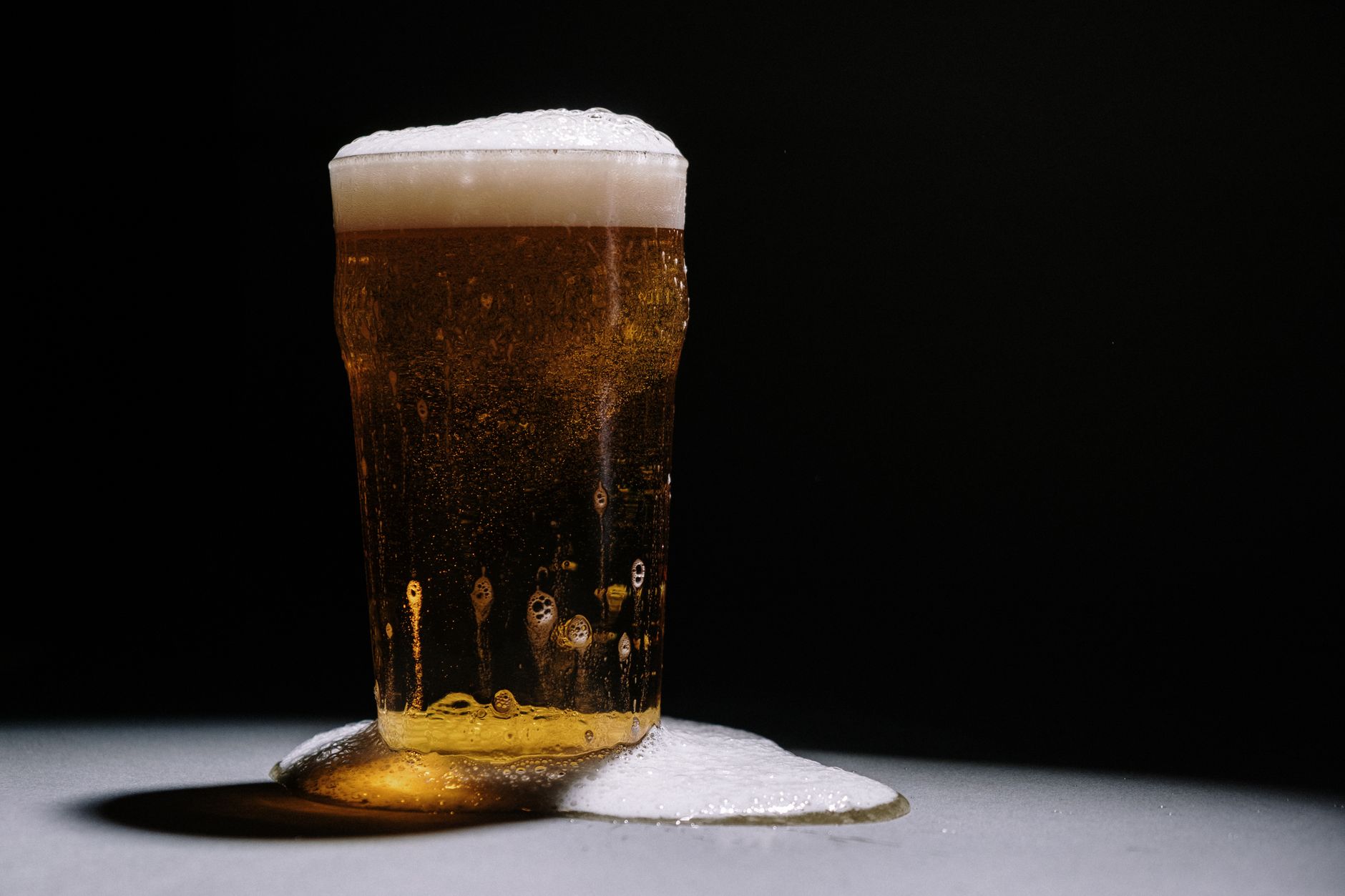
Beer is one of the world’s oldest and most widely consumed alcoholic beverages, known for its crisp flavors and social appeal. However, for many, enjoying a cold brew can come with an unwanted side effect: gas. In this article, we will explore whether beer can indeed cause gas, the factors that influence this reaction, and tips for minimizing discomfort.
Understanding how different ingredients, carbonation levels, and personal digestive health play a role in gas production can help beer enthusiasts make informed choices. Let’s delve into the science behind beer and its effects on our digestive system.
Does Beer Give You Gas?
Yes, beer can give you gas. The primary reasons for this are carbonation, the ingredients used in brewing, and individual digestive health. Beer is carbonated, meaning it contains dissolved carbon dioxide gas, which can create gas in the stomach when consumed. Additionally, ingredients such as gluten from grains and yeast can contribute to fermentation in the digestive tract, leading to further gas production.
How Carbonation Affects Gas Production
Carbonation in beer is created during the fermentation process, where yeast converts sugars into alcohol and carbon dioxide. This gas can cause bloating and the feeling of fullness when consumed. Here’s how carbonation affects gas production:
- Trapped Gas: When beer is poured or opened, carbon dioxide is released, and when consumed, this trapped gas can accumulate in the stomach.
- Consumption Rate: Drinking beer quickly can exacerbate gas production, as gulps introduce extra air into the digestive tract.
- Type of Beer: Different beer styles have varying carbonation levels. For instance, stouts and porters generally have less carbonation than lighter beers like lagers or IPAs.
Ingredients in Beer and Their Effects
Aside from carbonation, the ingredients in beer also influence gas production. Here’s a closer look at the main ingredients and their potential impact:
Malt and Grains
Malt, usually derived from barley or wheat, is a primary ingredient in beer. These grains contain gluten, which can cause digestive issues for some individuals, particularly those with gluten sensitivities or celiac disease. Additionally, unprocessed grains can be difficult for some people to digest, leading to excess gas.
Hops
Hops add bitterness and aroma to beer. While hops are generally not associated with gas production, certain hop varieties can be more complex and chemically active, which may have varying effects on digestion and gut health for different individuals.
Yeast
Yeast plays a crucial role in fermentation. While it transforms sugars into alcohol, it can also introduce fungal compounds that may lead to gas production when processing food. For individuals sensitive to yeast, gassy bloating may be more prominent following beer consumption.
Individual Digestive Health
Factors unrelated to the beer itself can also contribute to gas production. Individual digestive health plays a significant role; conditions like irritable bowel syndrome (IBS), lactose intolerance, and other digestive disorders can heighten reactions to beer.
- Irritable Bowel Syndrome: Individuals with IBS may experience heightened sensitivity to gas and bloating, making beer a potential trigger due to both carbonation and ingredients.
- Lactose Intolerance: Some beer varieties, especially those made with milk sugar, can lead to gas in individuals who are lactose intolerant.
Beer Serving Tips to Minimize Gas
For those who enjoy beer but wish to minimize the potential for gas, consider implementing these tips:
- Choose Low-Carbonation Beers: Opt for styles that have less carbonation, such as cask ales or stouts.
- Drink Slowly: Sipping beer slowly may help your stomach handle the carbonation better, reducing gas buildup.
- Mind the Temperature: Drinking beer at a cooler temperature can minimize carbonation release, leading to less gas formation.
- Avoid Carbonated Mixers: If you’re mixing beer with soda or other carbonated beverages, you are likely to increase gas production.
Best Beer Choices for Sensitive Stomachs
Individuals who are prone to gas may want to explore beer varieties that may be easier on the digestive system. Here are some beer types to consider:
- Lager: Lagers typically have a lighter body and lower carbonation than other styles, making them a gentler choice on the stomach.
- Gluten-Free Beer: For those with gluten sensitivity, many breweries produce gluten-free options made from grains like rice or sorghum.
- Low-Alcohol Beer: Beers with lower alcohol content tend to be lighter and less heavy on the digestive system.
Alternative Beverages
If you find that beer consistently gives you gas, it may be worth exploring alternative beverages. Here are a few options:
- Cider: Hard cider often contains fewer carbohydrates and may be gentler on the stomach.
- Wine: While still an alcoholic beverage, some may find wine, especially dry varieties, to be less gas-producing than beer.
- Non-Alcoholic Beers: These can offer the flavor of beer without the effects of alcohol or excess carbohydrates.
Common Mistakes to Avoid When Drinking Beer
If you are prone to gas after consuming beer, avoid these common mistakes:
- Chugging Beers: Rapid consumption introduces additional air into your system, increasing the likelihood of gas.
- Pairing with Gassy Foods: Foods that are known to cause gas, such as beans or certain cruciferous vegetables, can compound the issue when paired with beer.
- Inefficient Glassware: Using the wrong glass can limit gas escape; using a wider mouth glass allows for a better release of carbonation.
Additional Ways to Reduce Gas After Drinking Beer
If you find yourself experiencing gas after drinking beer, here are additional strategies to consider:
- Stay Upright: Sitting or standing allows gas to escape naturally.
- Gentle Movement: Taking a light walk can assist digestion and help relieve discomfort.
- Herbal Remedies: Consuming ginger or peppermint after drinking beer may soothe your stomach.
Understanding Fermentation and Digestion
The fermentation process is intrinsic to both beer-making and digestion. Understanding how the body processes different fermentable items can shed light on why some individuals are more prone to gas after drinking beer:
The Role of Fermentation
In beer, fermentation turns sugars into alcohol and carbonation. In the digestive tract, certain carbohydrates and fibers undergo fermentation by gut bacteria, producing gas as a byproduct. This is especially prevalent in individuals with imbalances in gut bacteria.
Managing Gut Health
Maintaining a healthy gut balance can minimize gas production. Consider incorporating more probiotics and prebiotic-rich foods like yogurt, kombucha, garlic, and bananas into your diet. A balanced gut can enhance digestion and reduce excess gas after drinking beer or consuming any other food.
When to See a Doctor
While occasional gas is a normal part of digestion, if you routinely experience discomfort after consuming beer or any other foods, it may be wise to consult a doctor. Symptoms to watch for include:
- Persistent Bloating: If bloating occurs frequently and does not subside after a few hours.
- Severe Pain: If gas-related pain is sharp or debilitating.
- Accompanying Symptoms: If you notice additional symptoms such as diarrhea, constipation, or unexplained weight loss.
Conclusion
Beer can indeed lead to gas for many individuals due to its carbonation, specific ingredients, and personal digestive health. By understanding the factors involved and implementing strategies to minimize discomfort, you can still enjoy beer without the unwanted side effects. Opting for lower-carbonation or gluten-free options and drinking mindfully can make a difference in your experience.
For those curious about exploring delicious recipes that include beer, consider trying out beer can chicken for a succulent dinner or a refreshing drink like margaritas with Cointreau for a unique blend. Stay informed and enjoy your brews responsibly!