
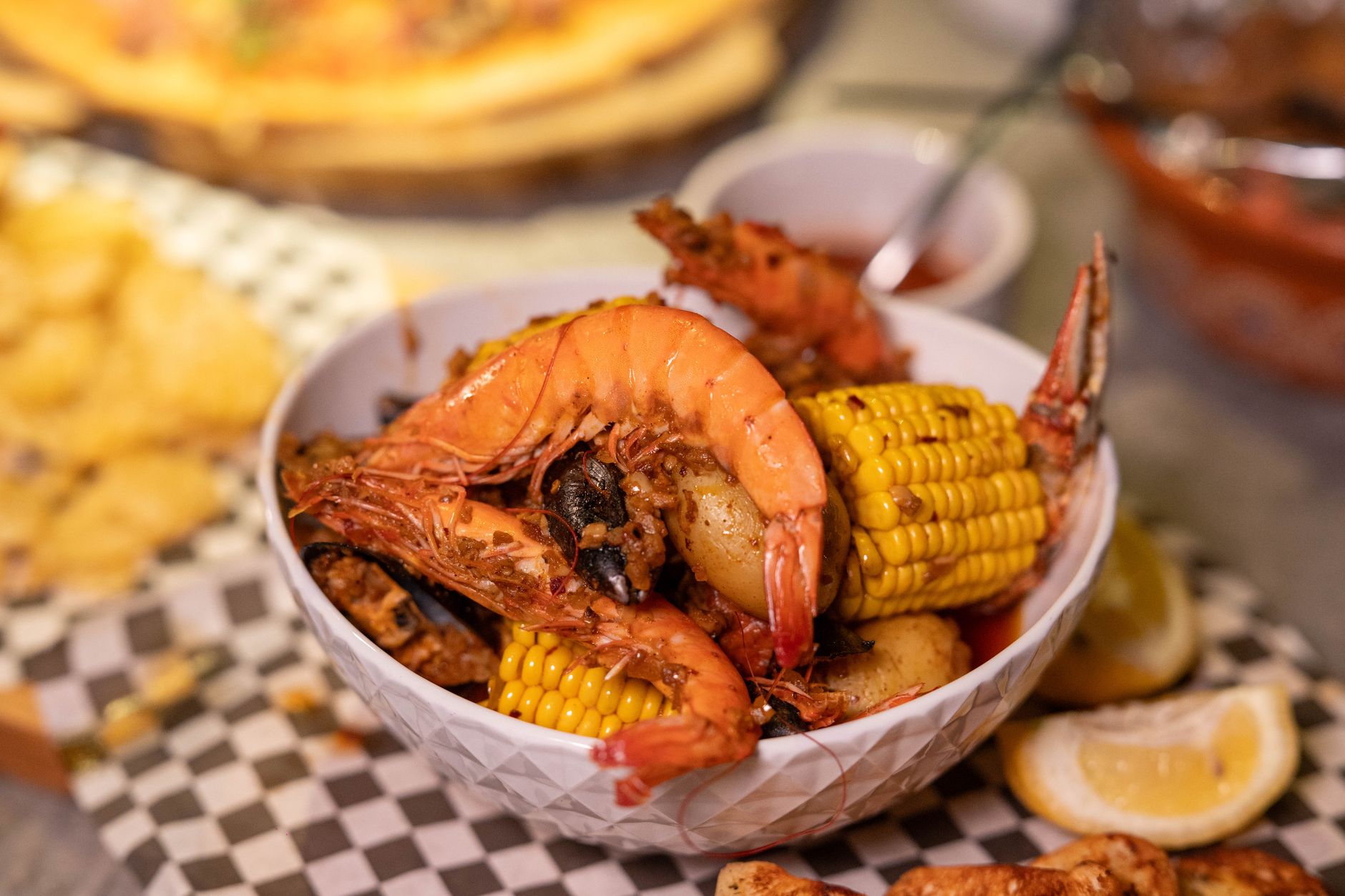
Shrimp is a popular seafood choice that brings a delightful taste and texture to a variety of dishes. Boiling shrimp with the shell on not only enhances its flavor but also makes the meat juicier. Understanding the right cooking times is essential to achieve perfectly boiled shrimp that are tender and flavorful.
In this guide, we will provide you with detailed information on how long to boil shrimp with the shell, the proper techniques to follow, and tips for determining their doneness. Whether you’re preparing shrimp for a special occasion or a casual meal, these insights will help you serve perfectly cooked shrimp every time.
How Long to Boil Shrimp with Shell?
To boil shrimp with the shell, the general cooking time is around 2 to 5 minutes, depending on the size of the shrimp. Smaller shrimp, like the salad shrimp (41-50 count per pound), will need about 2 to 3 minutes, while larger shrimp, such as jumbo shrimp (under 21 count per pound), typically require around 4 to 5 minutes. Cooking times may vary slightly depending on the heat level and the quantity of shrimp being boiled.
Why Boil Shrimp with Shell On?
Boiling shrimp with the shell on offers several benefits:
- Flavor: The shells impart a rich and briny flavor to the shrimp, enhancing their natural sweetness.
- Juiciness: The shell acts as a natural barrier, allowing the shrimp to retain moisture during cooking.
- Aesthetic: Serving shrimp with the shell intact adds a rustic presentation to your dish, perfect for casual dining and gatherings.
Choosing Your Shrimp
When selecting shrimp, pay attention to the following aspects:
- Freshness: Look for shrimp that smell fresh, not fishy. The shells may be glossy and translucent.
- Size: Depending on your recipe or preference, choose shrimp sizes that fit your needs—generally referred to by count per pound.
- Type: Gulf shrimp and Pacific shrimp are two popular varieties, offering slightly different flavors and textures.
Ingredients for Boiling Shrimp
To boil shrimp with the shell on, you only need a few basic ingredients:
- Shrimp with shell on: Choose the size based on your preference.
- Water: Enough to cover the shrimp in the pot.
- Salt: About 1 tablespoon for every quart of water to enhance flavor.
- Optional aromatics: Lemon slices, garlic, bay leaves, or Old Bay seasoning for added flavor.
Essential Equipment
You will need the following kitchen tools for boiling shrimp:
- Large pot: Choose a pot that can hold the shrimp and water comfortably.
- Colander: For draining the shrimp after boiling.
- Slotted spoon: To help remove shrimp from the pot if needed.
- Measuring cups and spoons: For measuring water and salt.
Step-by-Step Guide to Boiling Shrimp with Shell
Here is a straightforward process to boil shrimp with the shell:
- Prepare the pot: Fill a large pot with water. Use about 4 to 6 quarts for 2 pounds of shrimp. Add salt and any optional ingredients like lemon slices or spices.
- Bring to a boil: Place the pot over high heat and bring the water to a rolling boil.
- Add shrimp: Once boiling, carefully add the shrimp to the pot. Stir them gently to ensure they are evenly distributed in the water.
- Start timing: Begin timing as soon as the shrimp are added. Refer to the size guide for cooking times.
- Check for doneness: The shrimp will turn pink and opaque when cooked. The shells should be a bright pink, and the meat will curl slightly.
- Drain the shrimp: Using a colander, drain the shrimp once they are cooked. If desired, shock them in ice water for a minute to stop the cooking process.
Understanding Doneness
Determining the doneness of boiled shrimp is crucial for perfect results. Here are the signs:
- Color Change: Shrimp should turn from transparent to opaque and be pink in color.
- Texture: They should be firm yet still tender, not rubbery.
- Curled Shape: Cooked shrimp will curl slightly—too tight indicates overcooking.
- Internal Temperature: If unsure, you can check the internal temperature with a food thermometer; it should reach 120°F (49°C).
Common Mistakes to Avoid
To ensure perfectly boiled shrimp, here are some common mistakes to avoid:
- Overcooking: Keep a close eye on the time; even a minute too long can lead to rubbery shrimp.
- Underseasoning: Properly salt the water to enhance flavor; the shrimp absorb some salt as they cook.
- Not shocking: If discovered overcooked, shocking in ice water can help stop the cooking process.
Serving Suggestions
Once the shrimp are boiled, they can be served in various delicious ways:
- Pasta Dishes: Incorporate the shrimp into pasta dishes such as shrimp scampi or mixed seafood pasta.
- Salads: Toss shrimp into a salad for added protein and flavor.
- Tacos: Fill soft tortillas with boiled shrimp, avocado, and a zesty salsa for a tasty meal.
- Apps & Dips: Serve shrimp on a platter with dipping sauces like cocktail sauce or garlic butter.
Make-Ahead and Storage Tips
Boiled shrimp can be made ahead of time, making them a convenient option for meal prep. Here’s how to store them:
- Storage: Keep cooked shrimp in an airtight container in the refrigerator for up to 3 days.
- Freezing: To freeze, place them in a freezer-safe container or bag, layering sheets of parchment between them to avoid sticking, for up to 3 months.
- Reheating: Reheat gently using a skillet with a little oil over low heat until warmed through, or enjoy cold in salads and seafood cocktails.
Variations and Flavor Enhancements
You can easily customize the flavor profile of your boiled shrimp. Here are a few variations:
- Spicy: Add red pepper flakes or hot sauce to the boiling water for some heat.
- Herb-Infused: Toss in fresh herbs such as dill or basil during the boiling process.
- Citrus Zest: For a refreshing twist, add citrus peels like orange or lime to the boiling water.
Conclusion
Boiling shrimp with the shell on is a simple yet rewarding method that results in flavorful, juicy seafood. By following the steps outlined here, you can achieve perfectly cooked shrimp that are ready to delight your family and friends. Remember to pay attention to the timing and visual cues for doneness to prevent overcooking.
For your next culinary adventure, consider trying out a delicious shrimp sauce for dipping or whip up a shrimp scampi for a quick weeknight dinner. Explore those flavors further by visiting our shrimp sauce recipe or shrimp scampi recipe without wine for inspiration.