
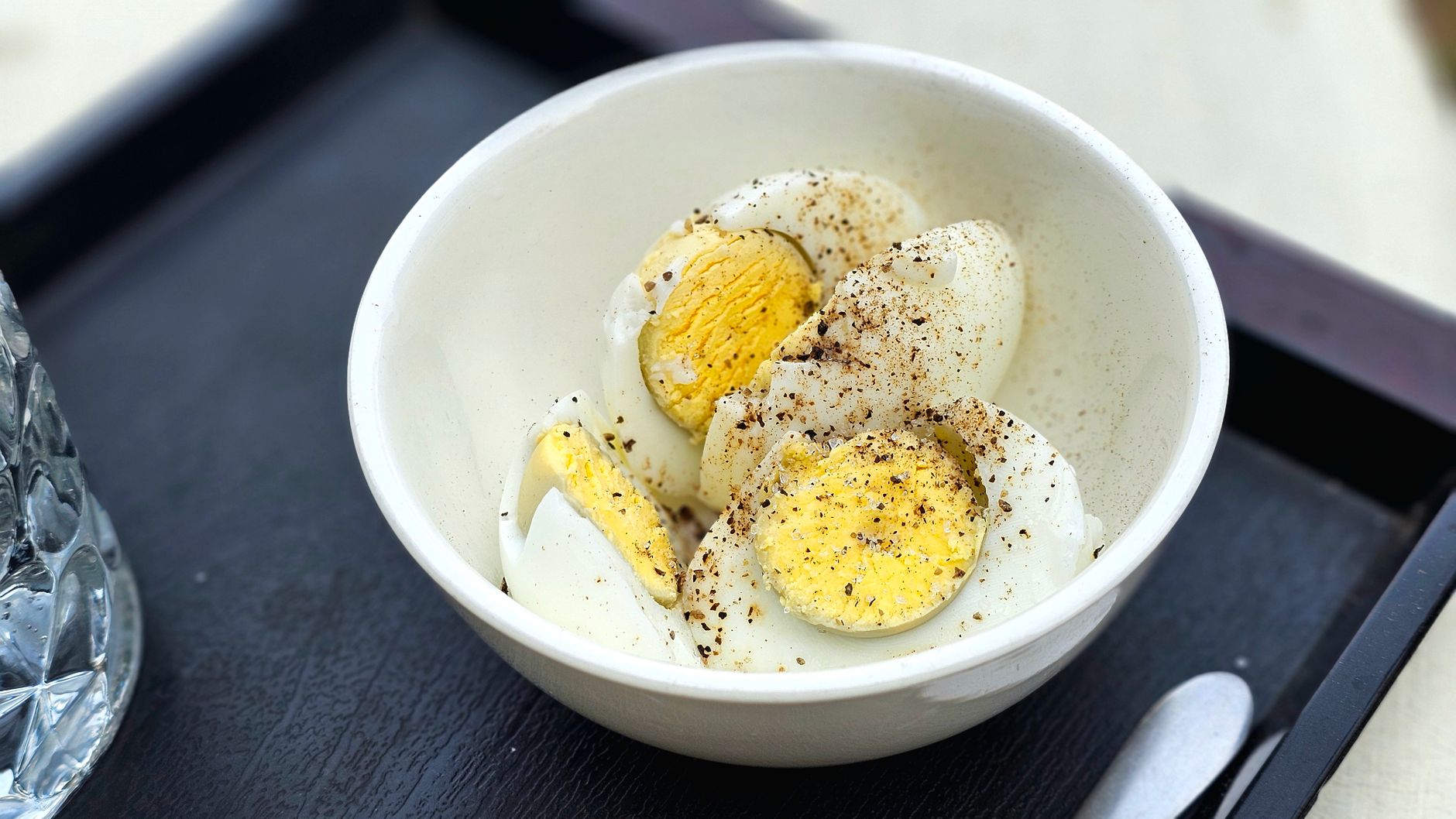
Jammy eggs are a delightful addition to any meal, offering a perfect balance between a soft, creamy yolk and a slightly firm white. These eggs are ideal for salads, ramen, or enjoyed simply with a sprinkle of salt and pepper. Understanding how to boil jammy eggs to achieve that ideal consistency can elevate your dishes.
This comprehensive guide will walk you through the timing and temperature needed to achieve perfectly jammy eggs, along with considerations for preparation, cooking techniques, and serving suggestions.
How Long To Boil Jammy Eggs?
To boil jammy eggs, the ideal cooking time is between 6 to 7 minutes depending on the size of the egg and how runny you want the yolk. Cooking at a medium-high temperature ensures even results. This timing will yield a beautiful, slightly runny yolk with a set white, perfect for a variety of dishes.
Understanding Jammy Eggs
Jammy eggs are essentially the middle ground between soft-boiled and medium-boiled eggs. They have a creamy, slightly runny yolk while the white is set and tender. This texture makes them a favorite in many cuisines.
The cooking technique for jammy eggs is quite simple, but timing is crucial. By adjusting the boiling time, you can achieve different levels of doneness. Knowing the right temperatures and practices will ensure your jammy eggs come out just right every time.
Equipment Needed
- Large pot or saucepan
- Slotted spoon
- Ice bath (a bowl filled with ice and water)
- Kitchen timer
- Measuring cup (optional, for water)
- Paper towels (for drying off)
Ingredients
- Eggs (as many as you want to boil, preferably large, fresh eggs)
- Water (enough to cover the eggs by at least an inch)
- Ice (for the ice bath)
- Salt and pepper (optional, for serving)
Step-by-Step Method
Follow these steps to achieve perfectly jammy eggs:
- Begin by filling a large pot with enough water to cover the eggs by about an inch. Place the pot on the stove over medium-high heat and bring the water to a gentle boil.
- While the water is heating up, prepare your ice bath by filling a large bowl with cold water and ice cubes. This will help stop the cooking process immediately after boiling.
- Once the water is boiling, gently lower the eggs into the pot using a slotted spoon to avoid cracking the shells. You may want to lower the heat slightly to prevent the water from boiling too vigorously.
- For jammy eggs, cook the eggs for 6 to 7 minutes. Set a kitchen timer to keep track of the time. If you prefer a slightly more runny yolk, stick to 6 minutes. For a firmer yolk, use 7 minutes.
- When the timer goes off, use the slotted spoon to quickly remove the eggs from the pot and transfer them to the ice bath. Let them sit in the ice water for at least 5 minutes to halt the cooking process.
- After the eggs have cooled, gently tap them on a hard surface to crack the shell, then peel them under running cold water to make the peeling process easier.
- Once peeled, you can serve the jammy eggs as they are, or sprinkle them with salt and pepper. They can also be refrigerated for later use.
Common Mistakes and Troubleshooting
Even with a reliable technique, mistakes can happen. Here are some common pitfalls and how to avoid them:
- Overcooking: If you leave the eggs in boiling water for too long, you might find that the yolk firms up completely. Stick to the recommended time and use a timer for accuracy.
- Cracked eggs: If your eggs crack during boiling, it could be due to a sudden temperature change. Always bring your eggs to room temperature before boiling, or prevent using a rapid boiling method.
- Poor peeling: Fresh eggs can be difficult to peel. If you have issues, try using slightly older eggs, or peel them under running water to help release the shell more easily.
Serving Suggestions
Jammy eggs can be enjoyed in various ways, making them a versatile component in your kitchen. Here are some ideas:
- Chopped and added to salads for a protein boost.
- Sliced atop ramen or other noodle dishes, adding richness and flavor.
- Spread on toast as a nourishing breakfast option.
- Garnished with soy sauce, sesame seeds, and chopped scallions for an Asian-inspired touch.
Making Ahead and Storage
Jammy eggs can be made ahead of time, and they store well in the refrigerator. Here are some tips:
- Cook and peel the eggs as described above, then place them in an airtight container in the fridge.
- They can last for up to a week when stored properly, making them great for meal prep.
- To enjoy, simply reheat them gently if desired, but they are often best served cold or at room temperature.
Variations for Jammy Egg Flavors
While a simple jammy egg is delightful on its own, you can easily enhance its flavor. Consider these variations:
- Marinated Jammy Eggs: After boiling and peeling the eggs, soak them in a mixture of soy sauce, mirin, and water. Let them sit for a few hours or overnight for a deliciously seasoned egg.
- Spiced Yolk: Add spices like paprika or chili powder to the boiling water for added taste.
- Herb-infused Water: Include fresh herbs like thyme or basil in the boiling water for a subtle, aromatic flavor.
Comparison of Boiling Times
Understanding how the timing affects the yolk’s consistency can help you refine your technique. Here’s a quick comparison based on boiling times:
| Time (minutes) | Yolk Consistency | White Consistency |
|---|---|---|
| 4–5 | Very runny | Set |
| 6–7 | Jammy | Tender and set |
| 8–9 | Soft-boiled | Firm |
Conclusion
Jammy eggs are not only easy to prepare, but they also provide a delicious and versatile ingredient for various dishes. By mastering the boiling time and technique, you can ensure that your jammy eggs turn out just right. Now that you understand how to make them, why not experiment with different flavors or incorporate them into your next meal?
Explore more delicious options like this jammy eggs recipe or learn how to perfectly cook asparagus with our asparagus boiling guide. Happy cooking!