
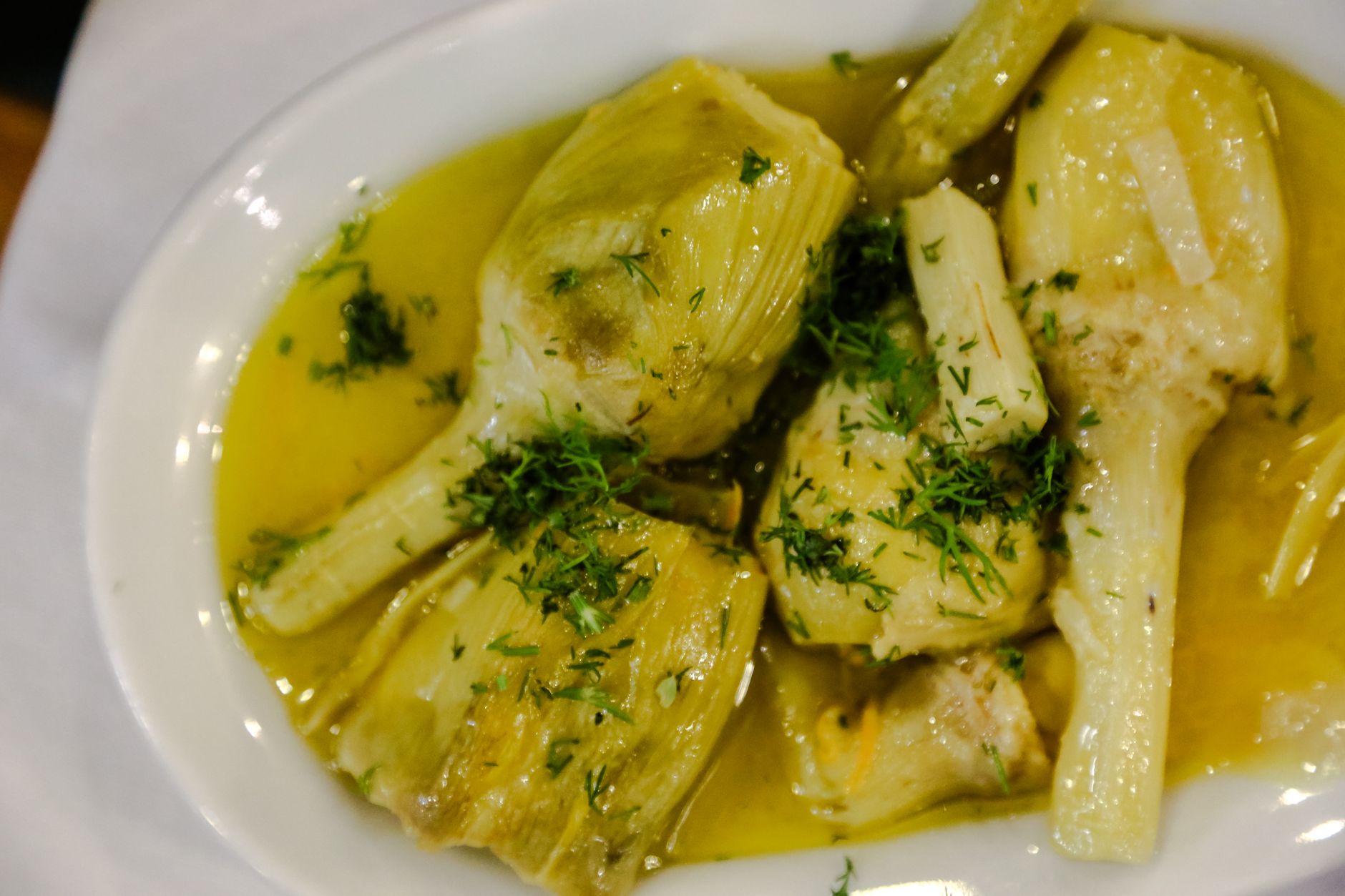
Artichokes are a unique and flavorful vegetable that can enhance a variety of dishes. Their tender, nutty essence comes from the heart and the fleshy leaves that encase it. When properly boiled, artichokes can become a delightful addition to salads, dips, or served simply with a dip on the side.
Understanding how long to boil artichokes, as well as factors like timing, temperature, and doneness, is essential for achieving the best results. This guide will explore boiling techniques, cooking times, and tips for preparing artichokes that even beginners can follow.
How Long To Boil Artichoke?
To boil artichokes effectively, the general rule is to cook them for about 25 to 45 minutes, depending on their size. A large artichoke will take longer, while smaller ones will require less time. When layering your boiling method with temperature and doneness cues, you can ensure delicious results.
Choosing and Preparing Artichokes
Before diving into the boiling process, it’s crucial to select and prepare your artichokes properly. Here are some key aspects to consider:
Selecting Fresh Artichokes
- Look for artichokes with tight, compact leaves. If the leaves are spread apart, the artichoke is likely old and tough.
- The artichokes should be heavy for their size. A heavier artichoke indicates freshness and moisture.
- Examine the color: a vibrant green hue signals a fresh artichoke.
Preparing Artichokes for Boiling
- Begin by rinsing the artichokes under cold running water to remove any dirt or debris.
- Trim the stems to about one inch to make them easier to handle during cooking.
- Using a sharp knife, remove the top inch or so of each artichoke to eliminate any sharp tips on the leaves.
- Using kitchen scissors, snip the tips of the leaves off to reduce the risk of prickly encounters while eating.
- Rub the cut edges with lemon juice to prevent browning.
Boiling Artichokes: Step-by-Step Guide
Boiling artichokes can be straightforward if you follow a systematic approach. Here is a detailed step-by-step guide to ensure consistent results:
Ingredients Needed
- 1 to 4 medium to large artichokes
- Water (enough to cover the artichokes)
- Salt (about 1 tablespoon per quart of water)
- Lemon wedges (optional, for serving)
- Dipping sauce of choice (such as melted butter or a vinaigrette)
Essential Equipment
- Large pot with a lid
- Kitchen tongs or slotted spoon
- Cutting board and knife
- Kitchen scissors
Boiling Process
- Fill a large pot with enough water to fully submerge the artichokes. Add salt to the water.
- Bring the water to a boil over medium-high heat.
- Once the water is boiling, carefully add the prepared artichokes. Be cautious as the boiling water can splash.
- Cover the pot with a lid, reduce the heat to maintain a gentle simmer, and set a timer.
- For medium artichokes, boil for about 25-30 minutes; for larger artichokes, aim for 35-45 minutes.
- To check doneness, pull a leaf from the outer row. If it comes off easily and the flesh is tender, the artichoke is ready.
- Use kitchen tongs to remove the artichokes from the pot and place them upside down in a colander to drain excess water.
- Let them cool slightly before serving.
Timing, Temperature, and Doneness Cues
Understanding the timing, temperature, and doneness cues are critical when boiling artichokes. Here are some insights:
Timing
The general boiling time for artichokes can vary based on their size and freshness:
- Small artichokes (about 4 inches in diameter): 25-30 minutes
- Medium artichokes (about 5-6 inches in diameter): 30-35 minutes
- Large artichokes (about 6-8 inches in diameter): 40-45 minutes
Temperature
Maintain a gentle simmer while boiling. Rapid boiling can lead to uneven cooking or may cause the artichokes to become tough.
Doneness Cues
Determining whether your artichokes are done involves testing both the leaves and the heart:
- Outer leaves should pull off easily without resistance.
- The inner leaves should feel tender to the touch.
- Once cut open, the heart should be creamy and easy to scoop out.
Common Mistakes and Troubleshooting
When boiling artichokes, certain mistakes can lead to less-than-ideal results. Here are some common pitfalls and how to avoid them:
Overcooking
Artichokes can become mushy if boiled for too long. Always check for doneness between the minimum and maximum recommended times.
Undercooking
On the flip side, artichokes that haven’t been boiled long enough can be tough and difficult to eat. Use the leaf tug test to gauge tenderness.
Not Salting the Water
Omitting salt can lead to bland artichokes. Season the boiling water adequately for enhanced flavor.
Serving Suggestions
Boiled artichokes are versatile and can be served in various ways:
Classic Presentation
Serve artichokes with a dipping sauce like melted butter or a lemon-garlic vinaigrette. This adds flavor while complementing the nutty essence of the artichoke.
In Salads
Chop the boiled artichoke hearts and toss them into salads for additional texture and flavor. They pair well with similar fresh ingredients.
With Pasta
Artichokes can also be used as a delicious component in pasta dishes, bringing a unique flavor profile that enhances the overall meal.
Storage and Reheating
If you plan to prepare artichokes ahead of time, proper storage and reheating methods are essential:
Storage
Boiled artichokes can be stored in an airtight container in the refrigerator for up to 3-5 days. If the artichokes are stored whole, make sure they are cooled completely before sealing.
Reheating
To reheat, steam the artichokes over boiling water for about 5-10 minutes until they are warmed through. Avoid microwave reheating, as it can lead to uneven heating and a tough texture.
Practical Variations and Substitutions
Though boiling is a standard preparation method, there are variations and alternatives to consider:
Flavor Infusions
For added flavor, consider adding herbs, garlic, or citrus slices to the boiling water. This will infuse the artichokes with additional aromas when cooking.
Steaming Alternatives
If you prefer to maintain a firmer texture, steaming artichokes is an excellent option. Refer to specific steaming recipes for more accurate timing.
Conclusion
Boiling artichokes is a straightforward process that enhances their unique flavor and texture. By following the proper timing, temperature, and checking for doneness, you can enjoy this delightful vegetable as a primary dish or a complementary element in various meals. Use this guide to refine your artichoke cooking skills and explore the many delicious ways to serve them. For your next culinary adventure, consider delving into steaming techniques or discover the intricacies of boiling asparagus.
Explore more on how to steam artichokes or learn about the cooking times for other vegetables like asparagus in our related guides.