
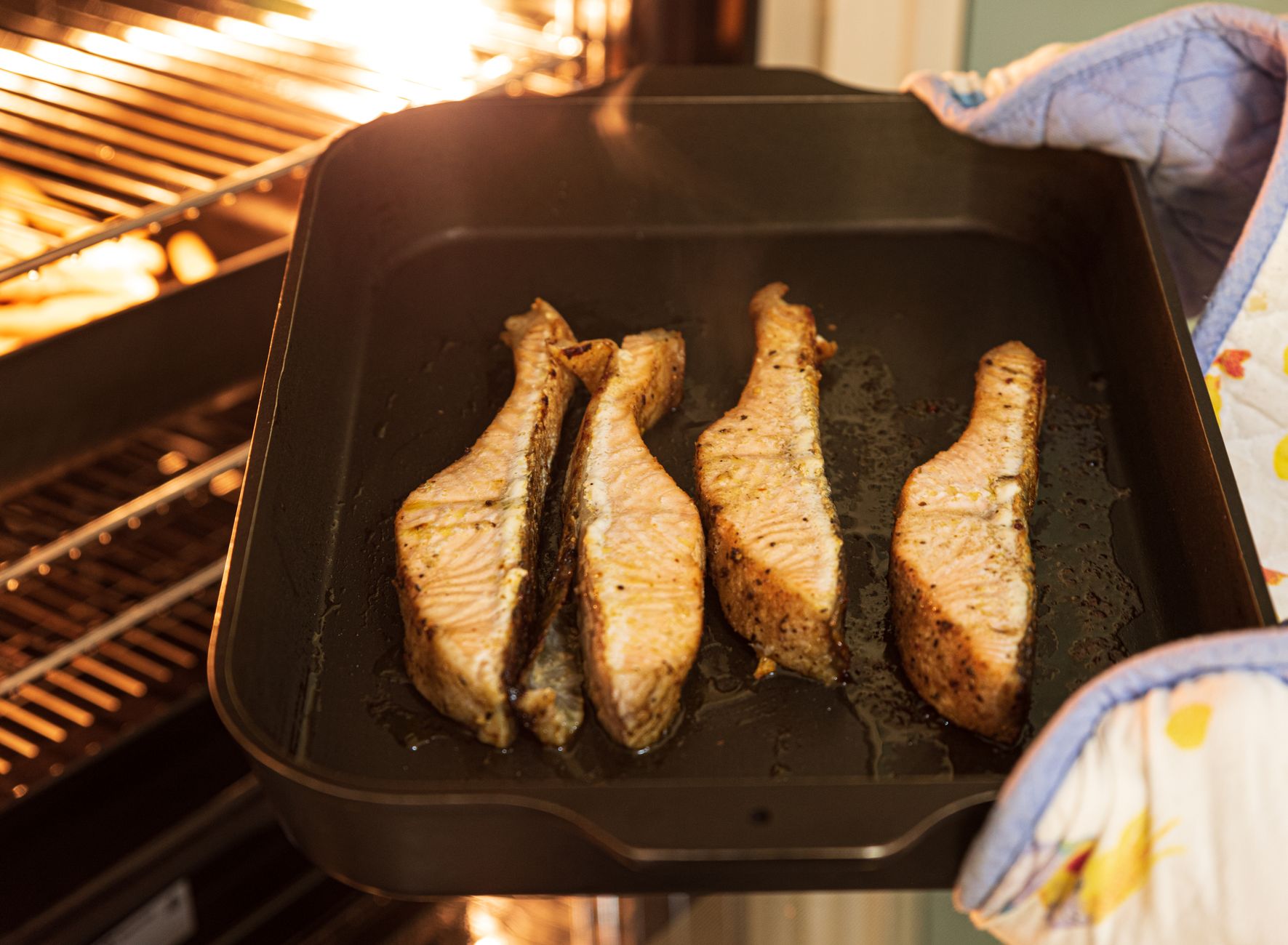
Baking fish is a popular cooking technique that allows for healthy meal preparation while preserving the natural flavors and nutrients of the fish. Many types, including salmon, tilapia, haddock, and cod, can be baked to perfection in less than an hour. Understanding how long to bake fish will help you achieve the ideal texture and flavor, resulting in a delightful dish that’s both satisfying and easy to prepare.
This guide will explore the baking time for various fish types, ideal temperatures, tips for seasoning, and common mistakes to avoid. With the right knowledge, you’ll create perfectly cooked fish every time.
How Long To Bake Fish?
The baking time for fish varies depending on its thickness and type. Generally, fish should be baked at 375°F to 425°F, with cooking times ranging from 10 to 25 minutes. A good rule of thumb is to bake fish for 10 minutes per inch of thickness. The fish is done when it flakes easily with a fork and has an internal temperature of 145°F.
Choosing the Right Fish
Different fish types have varying textures and flavors, which can impact cooking time. Here are some common types of fish and their characteristics:
- Salmon: Rich in flavor and fatty, salmon is forgiving when baked. It typically takes 15-20 minutes at 375°F.
- Tilapia: A mild and flaky fish, tilapia bakes in about 10-15 minutes at the same temperature.
- Haddock: White and flaky with a slightly sweet taste, haddock can be baked for 15-20 minutes at 375°F.
- Cod: Firm and meaty, cod takes about 12-15 minutes at 400°F.
- Trout: A tender and delicate fish, trout generally bakes in 15-20 minutes.
Preparing Fish for Baking
Before baking, it’s essential to prepare the fish properly. Here are the steps to get started:
- Thaw if Frozen: If using frozen fish, thaw it in the refrigerator overnight or under cold running water before cooking.
- Rinse and Pat Dry: Rinse the fish under cold water to remove any icy residue, then pat it dry with paper towels to help with seasoning adherence.
- Season: Sprinkle generously with salt, pepper, and other desired spices or herbs (like dill or parsley) to enhance the flavor.
- Oil the Baking Dish: Lightly grease a baking dish with olive oil or cooking spray to prevent sticking.
- Place Fish in Dish: Lay the fish in the greased dish, skin side down if applicable.
Baking Temperatures for Different Types of Fish
While most fish can be baked at a range of temperatures, certain varieties perform better at specific settings. Here’s a helpful guide:
| Type of Fish | Temperature (°F) | Cooking Time |
|---|---|---|
| Salmon | 375°F | 15-20 minutes |
| Tilapia | 375°F | 10-15 minutes |
| Haddock | 375°F | 15-20 minutes |
| Cod | 400°F | 12-15 minutes |
| Trout | 375°F | 15-20 minutes |
Step-by-Step Baking Process
Follow these steps to bake your fish perfectly:
- Preheat the Oven: Always preheat your oven to the required temperature for even cooking.
- Prepare the Fish: As previously mentioned, rinse, pat dry, season, and place in a baking dish.
- Bake the Fish: Place the fish in the oven and bake according to the recommended time. Begin checking for doneness five minutes before the time is up.
- Check Doneness: Use a fork to test the fish. It should flake easily and have an internal temperature of 145°F.
- Let Rest: Allow the fish to rest for a few minutes before serving, as it will continue to cook slightly.
Common Mistakes When Baking Fish
Even seasoned cooks can run into trouble when baking fish. Here are some common pitfalls and how to avoid them:
- Overcooking: Fish can become dry quickly if overcooked. Use a thermometer to check for doneness precisely.
- Insufficient Seasoning: Fish can taste bland without enough seasoning. Don’t be afraid to be generous with salt and other spices.
- Poor Baking Dish Choice: A dish that’s too small can steam the fish instead of baking it properly. Ensure the fish has room to breathe in the oven.
- Skipping the Rest Time: Letting fish rest allows flavors to settle and enhances the overall taste.
Flavoring and Cooking Variations
While baking fish simply with salt and pepper is always a classic, there are many flavor-enhancing techniques to explore:
Glazing with Sauces
Marinating or glazing during the last few minutes of baking can add a burst of flavor. Some popular options are:
- Teriyaki Sauce: A sweet and savory option that pairs well with salmon.
- Lemon Herb Butter: Made with butter, lemon juice, and fresh herbs.
- Garlic and Olive Oil: Infuse simple olive oil with minced garlic for a delightful drizzle.
Using Herbs and Aromatics
Aromatics and herbs enhance your fish’s natural flavors. Consider:
- Lemon Slices: Adding lemon slices on top of fish can brighten the dish.
- Fresh Herbs: Dill, thyme, and parsley complement various fish types beautifully.
- Garlic and Onions: These can be layered beneath the fish before baking to infuse flavor.
Serving Suggestions for Baked Fish
Pairing baked fish with the right sides can elevate the meal. Here’s what complements baked fish well:
- Rice: Fluffy jasmine or brown rice is a neutral base.
- Vegetables: Roasted or steamed vegetables, such as asparagus or broccoli, offer great color and nutrition.
- Salads: A fresh green salad with citrus vinaigrette can provide a refreshing contrast.
- Pasta: Light garlic or olive oil pasta can complement seafood nicely.
Storing and Reheating Leftover Fish
Leftover baked fish can be preserved effectively:
- Storage: Store leftovers in an airtight container in the refrigerator for up to three days.
- Freezing: Baked fish can also be frozen for longer storage, but it’s best enjoyed fresh.
- Reheating: Reheat in the microwave or in a preheated oven to retain moisture. Avoid high temperatures to prevent further drying out.
Common Fish Cooking Terms You Should Know
Understanding a few key cooking terms can help demystify the baking process:
- Flaking: When fish flesh separates easily into flakes, indicating doneness.
- Resting: Allowing cooked fish to sit before slicing or serving.
- Marinating: Soaking fish in a seasoned liquid to enhance flavor before cooking.
- Fillet: A cut of fish that has been deboned.
Exploring Other Fish Recipes
If you’re interested in expanding your fish-baking repertoire, consider trying different recipes. Baked haddock, for example, is a delicious white fish that can be perfectly seasoned and baked in under 20 minutes. You might also explore tilapia cooking techniques for more options on quick and easy dishes.
Baking fish is an approachable task that, with the right knowledge, can yield delicious results every time. Familiarize yourself with the basic time and temperature guidelines, and don’t hesitate to experiment with flavors tailored to your taste.
For related recipes, check out how to cook tilapia or try our baked haddock recipe for a delightful seafood experience. Expand your cooking skills and enjoy the simplicity and flavor of well-baked fish!