
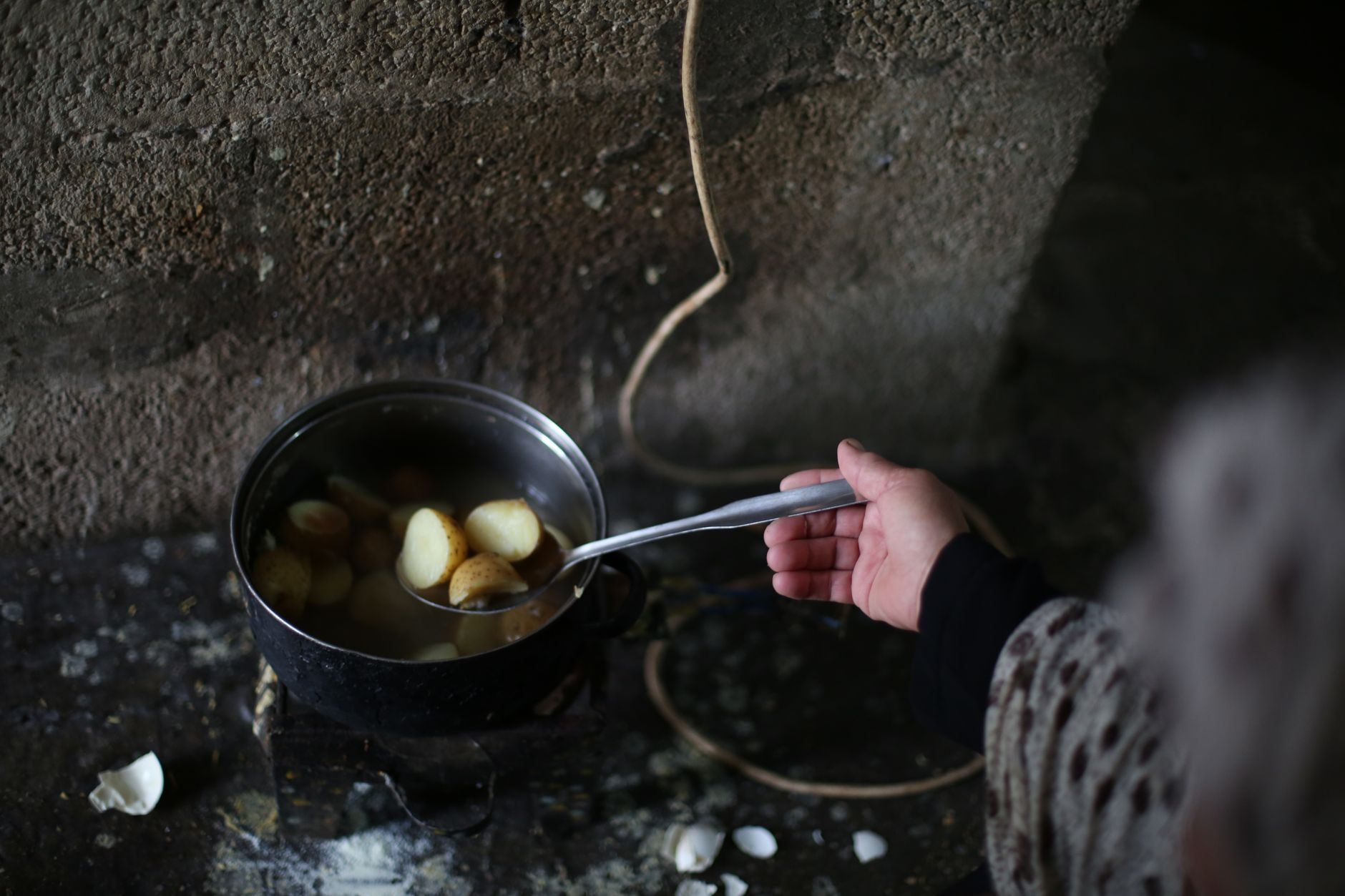
Boiling potatoes is a fundamental cooking technique that can serve as the basis for many delicious dishes. Whether you’re making mashed potatoes, potato salad, or just needing a simple side dish, knowing how long to boil potatoes is essential to achieve the perfect texture. With the right timing, you can ensure they’re tender, fluffy, and ready to absorb all your favorite flavors.
This guide will provide detailed insights on how long to boil potatoes, including tips on doneness, types of potatoes, and troubleshooting common mistakes. Let’s delve into the art of boiling potatoes to achieve the best results.
How Long Should You Boil Potatoes?
The time it takes to boil potatoes varies depending on their size and type. Generally, you should boil potatoes for 10 to 25 minutes. Smaller or whole new potatoes take about 10-15 minutes, while larger or cubed potatoes require 20-25 minutes to be fully tender.
Understanding Potato Varieties
Different potato types can affect boiling times and texture. Here are a few common types and their characteristics:
- Yukon Gold: Great for boiling as they hold their shape well and develop a creamy texture.
- Russet: High in starch, perfect for mashed potatoes but can become fluffy when boiled.
- Red Potatoes: Waxy potatoes that hold their shape, making them ideal for potato salads.
- New Potatoes: Small and tender, they boil quickly and add a fresh taste.
Preparing Potatoes for Boiling
Before you boil your potatoes, it’s essential to prepare them properly:
- Wash the potatoes thoroughly to remove dirt and debris.
- Peel them if desired, although skin-on potatoes add flavor and nutrients.
- Cut large potatoes into uniform pieces, about 1 to 2 inches, to ensure even cooking.
- Submerge the potatoes in cold water to prevent browning as you prepare other ingredients.
Steps to Boil Potatoes
Follow these steps for boiling potatoes perfectly:
- Start with Cold Water: Place the prepared potatoes in a pot and cover with cold water. This helps them cook evenly.
- Add Salt: Add about 1 to 2 teaspoons of salt to the water. This enhances the flavor of the potatoes.
- Bring to a Boil: Place the pot on the stove and turn the heat to high, bringing the water to a rapid boil.
- Reduce to Simmer: Once boiling, reduce the heat to medium to maintain a gentle simmer.
- Check for Doneness: After the recommended time (10-25 minutes), check potatoes using a fork or knife. They should be tender enough to pierce easily. For whole potatoes, ensure they’re cooked through by inserting the fork into the center.
- Drain and Serve: Once done, drain the potatoes in a colander. Let them sit for a minute to allow excess moisture to evaporate, and they are ready to be used in your favorite recipes.
Visual Cues for Doneness
Knowing when potatoes are done is key to achieving the desired texture:
- Tenderness: The potatoes should feel soft when poked with a fork, but not falling apart.
- Appearance: The surface may appear slightly waxy and glossy when cooked properly.
- Color: Potatoes should retain their color without turning gray or brown.
Troubleshooting Common Mistakes
Even experienced cooks may face some challenges when boiling potatoes. Here are some common mistakes and how to avoid them:
- Overcooking: This can lead to mushy potatoes. Keep a close eye on the cooking time to prevent this.
- Undercooking: Potatoes that are too firm can ruin your dish. Test with a fork regularly.
- Salt Issues: Not adding salt can lead to bland potatoes. Remember to add salt to the water for flavor.
Flavoring Your Boiled Potatoes
Once boiled, potatoes can serve as a blank canvas for various flavors. Consider these options:
- Herbs: Toss with fresh herbs like parsley, dill, or chives for freshness.
- Butter: A simple pat of butter can enhance flavor and richness.
- Spices: Sprinkle paprika, garlic powder, or onion powder for added kick.
Serving Suggestions for Boiled Potatoes
There are countless ways to enjoy boiled potatoes. Here are a few popular suggestions:
- Mashed Potatoes: Add butter, cream, and seasonings to create a creamy side dish.
- Potato Salad: Dice boiled potatoes, mix with mayonnaise, mustard, and chopped vegetables for a classic salad.
- Roasted Potatoes: Toss boiled potatoes in olive oil and your favorite seasonings, then roast them until golden and crispy.
Make-Ahead Tips
If you want to prepare boiled potatoes ahead of time, consider these tips:
- Boil them the day before and store in the refrigerator. Reheat gently before serving.
- Leave the skins on until serving time for better texture and flavor retention.
Storage and Reheating
Proper storage and reheating techniques can help maintain the quality of boiled potatoes:
- Store boiled potatoes in an airtight container in the refrigerator for up to 3-5 days.
- To reheat, place potatoes in a pot with a small amount of water, cover, and heat on low until warmed through.
Substitutions and Variations
Potatoes are versatile, and here are some substitutions and variations for different dishes:
- Sweet Potatoes: These can be boiled similarly but typically take 20-30 minutes, depending on size.
- Root Vegetables: Carrots and parsnips can also be boiled. Adjust timing according to size.
- Using Broth Instead of Water: This adds extra flavor to boiled potatoes.
Conclusion
Learning how long to boil potatoes is a fundamental culinary skill that can elevate your cooking. With a little practice and attention to detail, you can achieve perfectly tender potatoes every time, ready to enhance your dishes.
For more cooking tips and related recipes, explore how to boil asparagus or learn about cooking fresh green beans.