
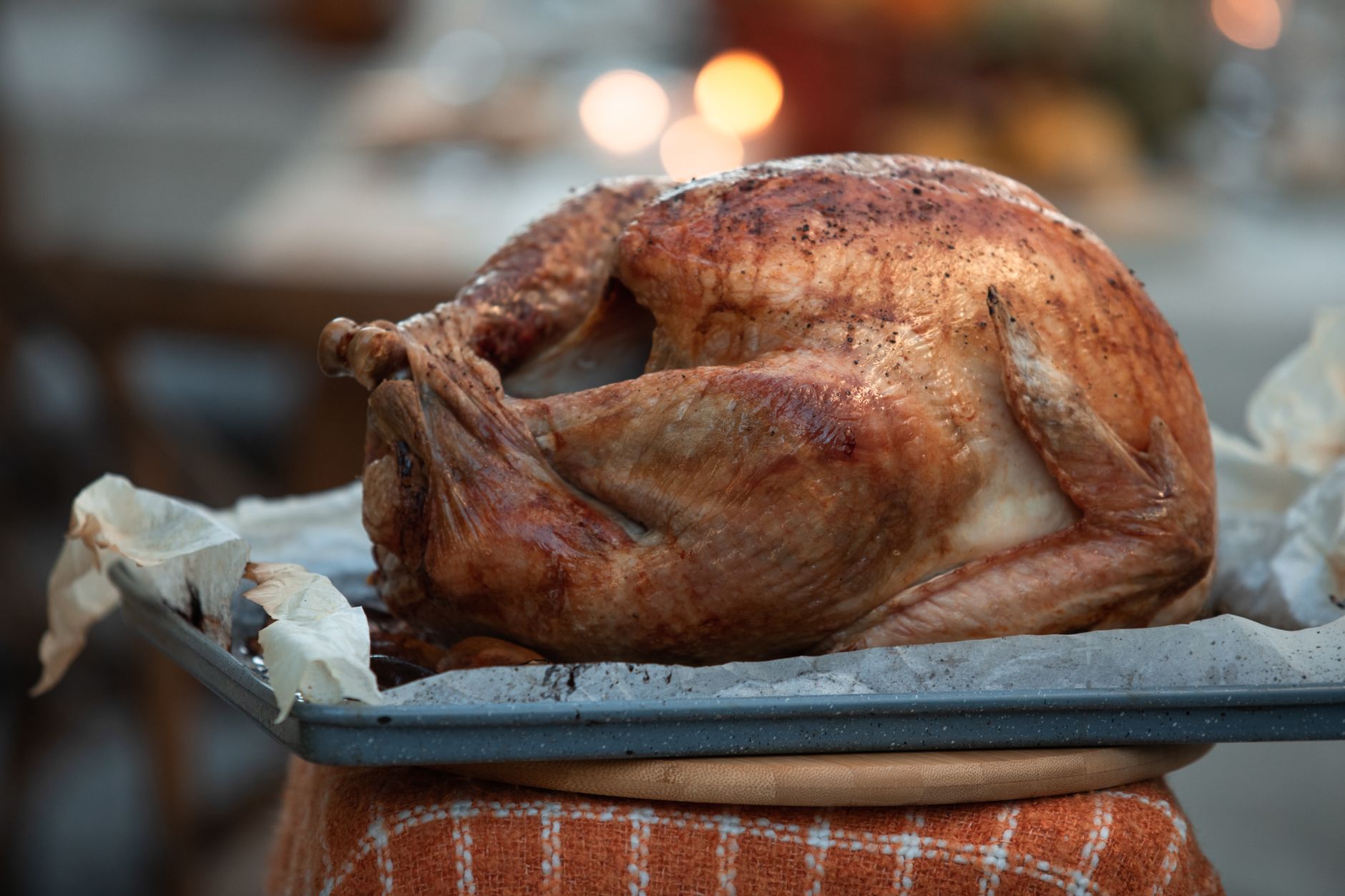
When it comes to roasting turkey, one key step often gets overlooked: resting the bird after cooking. Resting is crucial for optimal flavor and juiciness. In this article, we’ll explore how long turkey should rest, why it’s important, and provide you with a practical timing and temperature guide.
Resting turkey allows the juices to redistribute throughout the meat, resulting in a moist and flavorful dish. Improper resting can lead to dry turkey that is less enjoyable to eat. Understanding the best practices for resting turkey can elevate your holiday meals or any occasion where turkey is on the menu.
How Long Should Turkey Rest?
After cooking, turkey should rest for at least 20 to 30 minutes before carving. The larger the bird, the longer it should rest; for example, a larger turkey weighing 15 to 20 pounds may benefit from resting for up to 40 minutes. This resting time helps ensure that the meat retains its juices and doesn’t lose moisture when cut.
Why Resting is Important
Resting turkey is important for several reasons:
- Juice Redistribution: As the turkey cooks, the juices inside move toward the surface. Resting allows these juices to redistribute back into the meat, resulting in a moister texture.
- Temperature Stabilization: Resting creates a more stable temperature throughout the turkey, reducing the risk of overcooking when carving.
- Enhanced Flavor: Allowing the turkey to sit for a bit enhances the overall flavor and creates a better eating experience.
How to Rest Turkey Successfully
Here are some practical steps to ensure your turkey rests properly:
- Remove from Heat: Once your turkey has reached the appropriate internal temperature (165°F minimum for all parts), carefully remove it from the oven or grill.
- Cover Loosely: Tent the turkey loosely with aluminum foil to keep it warm. Avoid wrapping it tightly to prevent steaming, which would make the skin soggy.
- Let it Sit: Allow the turkey to rest for the appropriate time based on its size. Use the guides below as a reference.
- Carve and Serve: After the resting period, carve your turkey and serve it immediately to enjoy the best texture and flavor.
Resting Time Guidelines Based on Turkey Size
An easy way to remember resting times is to think of it based on the weight of the turkey:
| Turkey Weight | Recommended Resting Time |
|---|---|
| 8-12 pounds | 20-30 minutes |
| 12-14 pounds | 30-40 minutes |
| 14-18 pounds | 40-50 minutes |
| 18-20 pounds | 50-60 minutes |
| 20-24 pounds | 60-70 minutes |
Temperature Considerations While Resting
Understanding the temperature behavior of your turkey is crucial. When resting, the internal temperature of the turkey can continue to rise by about 5 to 10 degrees Fahrenheit. This phenomenon is known as carryover cooking, and it’s essential for achieving the desired doneness.
This means if you remove your turkey from the oven at an internal temperature of 160°F, the resting period will likely bring it to the safe minimum of 165°F for poultry. Use a reliable meat thermometer to monitor these temperatures for safety and quality.
Common Mistakes While Resting Turkey
Mistakes can happen even with the best intentions. Here are some common errors to avoid:
- Not Resting Long Enough: Rushing the resting period can lead to dry turkey. Allow the full recommended time.
- Wrapping Too Tight: Wrapping your turkey too tightly will create steam, making the skin soggy. Use foil loosely.
- Skipping the Thermometer: Always check the internal temperature of your turkey with a meat thermometer to ensure it has reached a safe level before resting.
- Cutting Too Soon: Cutting into the turkey before it has rested allows juices to escape. Let it rest to maximize moisture.
Tips for a Perfectly Rested Turkey
To enhance your turkey-resting process further, consider incorporating these tips:
- Use a Rack: Place the turkey on a wire rack in a shallow pan to allow air to circulate around it while resting. This helps maintain the crispy skin.
- Cover with Towels: If concerned about keeping the turkey warm, you can place clean kitchen towels over the aluminum foil for added insulation.
- Use the Juices: Collect the juices that run off the turkey while it rests. These can be used to make a delicious gravy or sauce.
- Keep the Oven Warm: If you plan to serve sides that need warming, keep your oven at a low temperature (around 200°F) to keep the turkey warm without cooking it further.
What to Do While the Turkey is Resting
While your turkey is resting, you can take advantage of this time to prepare the rest of your meal. Here are some suggestions:
- Make Gravy: Use the drippings from the turkey to create a rich and flavorful gravy. Combine the drippings with flour and broth for a classic sauce.
- Prepare Sides: Finish cooking your side dishes that complement turkey, such as stuffing, mashed potatoes, or roasted vegetables. This ensures everything is ready concurrently.
- Refresh the Dining Area: Set the table or ensure serving dishes are ready for when you are ready to serve the turkey.
When to Consider Resting Alternatives
In certain cooking methods, such as deep-frying or smoking, resting may require adjustments:
- Deep-Fried Turkey: Resting time is similar, but frying can create a crisp exterior that you wish to maintain. Tent with foil loosely and allow to rest for 30 minutes before serving.
- Smoked Turkey: Resting for up to one hour can help the flavors meld and the meat to relax.
Whether you’re roasting, frying, or smoking, adequate resting is vital for achieving turkey that is both delicious and safe to eat. Always monitor the internal temperatures for safety, and resist the urge to carve too soon.
Storage and Reheating Guidance
If you have leftover turkey, proper storage is essential for maintaining quality:
- Cool Down: Allow leftovers to cool down slightly before placing them in airtight containers.
- Refrigerate: Store the turkey in the refrigerator within two hours of cooking to ensure food safety. Leftovers can last up to three to four days.
- Reheat Safely: When ready to enjoy the leftovers, reheat thoroughly to an internal temperature of 165°F. This can be achieved in the oven or microwave, ensuring even heating.
Conclusion
Resting turkey is a crucial step that contributes to a moist and flavorful experience. Following the timing and temperature guidelines outlined above will help ensure a successful turkey that impresses at any gathering. Remember to utilize the resting time wisely by preparing other meal components while allowing those delectable juices to redistribute. Enjoy your expertly cooked and rested turkey first, then explore related recipes like how long to cook turkey per pound or tips for deep-frying turkey!
For additional guidance, don’t hesitate to check our articles on how long to cook turkey per pound and how long to deep fry a turkey.