
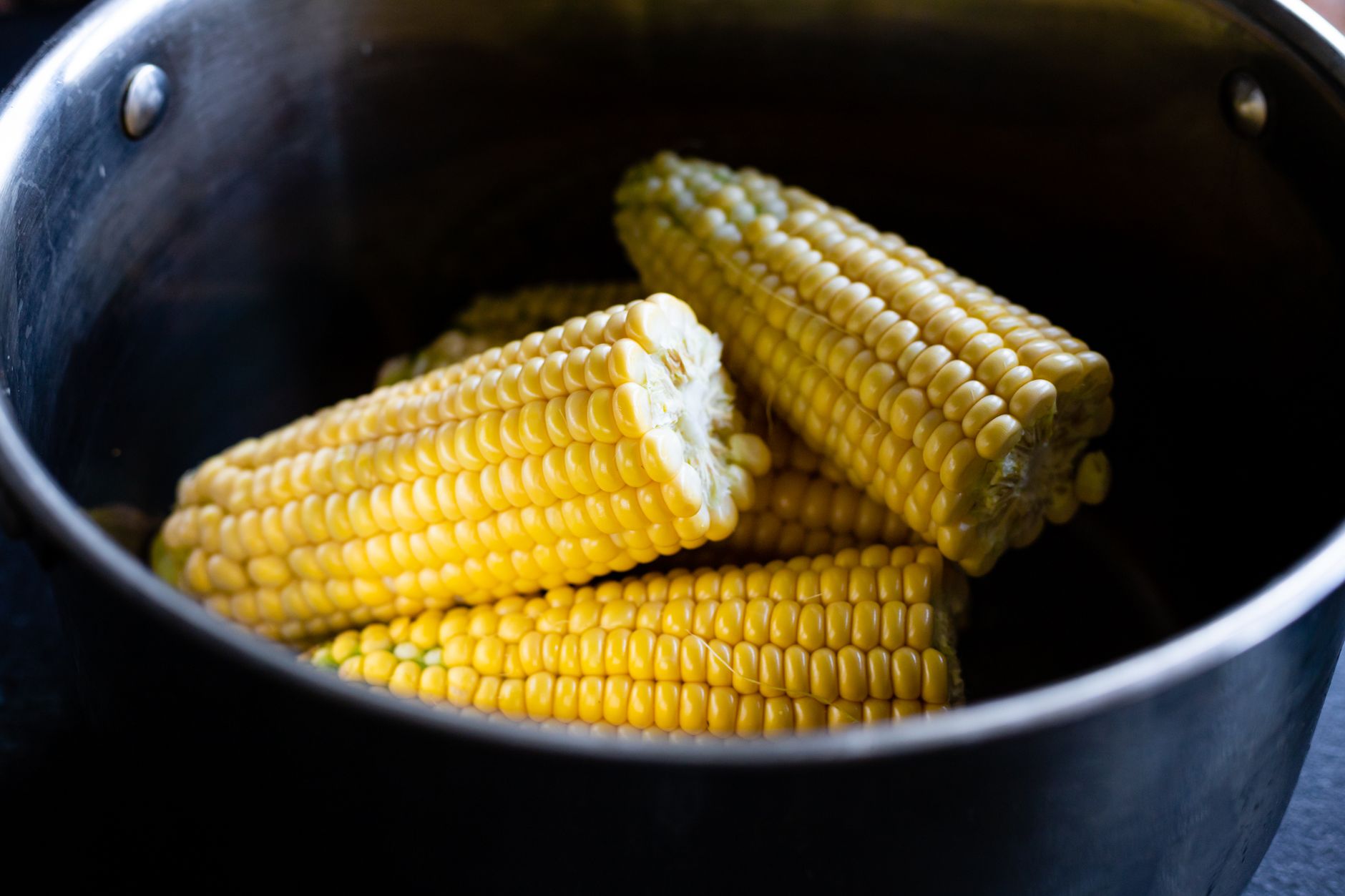
Corn is a versatile and beloved ingredient found in countless dishes, from salads to casseroles. Whether fresh, frozen, or canned, it’s essential to understand how to store corn properly to maximize its shelf life and maintain its sweet, crisp texture.
This comprehensive guide will explore how long corn is good for in the fridge, effective storage techniques, signs of spoilage, and tips for preserving its flavor. With this information, you can confidently enjoy corn at its best.
How Long Is Corn Good for in the Fridge?
Fresh corn can typically last for about 5 to 7 days in the refrigerator. However, it’s best consumed as soon as possible after purchase for optimal sweetness and quality. Once cooked, corn remains good for about 3 to 5 days in the fridge. Proper storage can help retain its freshness, flavor, and texture.
Types of Corn and Their Storage Durations
Fresh Corn
Fresh corn, often sold on the cob, is the most flavorful and is ideal for immediate use. When stored correctly in the fridge, it tends to stay fresh for approximately:
- In the husk: 5 to 7 days
- Out of the husk: 3 to 5 days
Canned Corn
Canned corn is convenient and has a long shelf life, making it a staple in many pantries. Once opened, it should be transferred to a covered container and kept in the fridge, where it can last for:
- Unopened: 3 to 5 years
- Opened: 3 to 4 days
Frozen Corn
Frozen corn is a great alternative to fresh corn and can last much longer. It typically stays good for:
- Unopened: 8 to 12 months
- Opened: 6 to 12 months if stored properly
Signs of Spoilage in Corn
Knowing how to identify spoilage is crucial for food safety. Here are some common signs that corn may have gone bad:
- Fresh Corn: Look for kernels that are dry, shriveled, or discolored. An off odor or mushy texture can also indicate spoilage.
- Canned Corn: If the can is dented, swollen, or leaking, it is best to discard it. After opening, if the corn has an unusual smell or appearance, it is a sign of spoilage.
- Frozen Corn: If frost or ice crystals have formed around the corn, it may still be safe but can suffer from freezer burn. For optimal flavor, use it promptly.
Best Practices for Storing Corn
Fresh Corn Storage Tips
- Keep it Husked: If possible, store corn in the husk. It protects the kernels and helps retain moisture and sweetness.
- Refrigerator Temperature: Store corn in the vegetable crisper drawer of your fridge, ideally at a temperature of 32°F to 36°F (0°C to 2°C).
- Paper Bags: If the corn is husked, store it in a paper bag to absorb excess moisture while allowing air circulation.
Canned Corn Storage Tips
- Keep it Cool: Store unopened cans in a cool, dry pantry or cupboard away from heat sources.
- Refrigerate After Opening: Transfer unused corn to an airtight container after opening and refrigerate immediately.
Frozen Corn Storage Tips
- Airtight Seal: Make sure your frozen corn is stored in a vacuum-sealed bag or an airtight container to prevent freezer burn.
- Label and Date: It’s a good idea to label your frozen corn with the date you froze it for easier tracking and usage.
Tips to Extend the Shelf Life of Corn
Cooking and Using Corn
Cooking corn can extend its usability. Here are ways to use fresh corn effectively:
- Blanching: Lightly blanch fresh corn for a few minutes, then plunge it into ice water to stop the cooking process. After cooling, store it in airtight containers in the fridge or freezer.
- Grilling: Grilled corn can be served immediately or cut off the cob and stored. Cooked corn retains its flavor and can be used in various dishes.
- Soups and Salsas: Use fresh corn in soups, salsas, or salads, ensuring you consume them within a few days for maximum freshness.
Preservation Techniques
If you have an abundant supply of corn, consider these preservation methods:
- Canning: Properly canning corn can extend its shelf life and allow you to enjoy it throughout the year. Refer to authoritative sources for canning guidelines.
- Freezing: Store excess corn in the freezer, allowing for easy ingredient options as needed.
Cooking with Corn: Delicious Recipe Ideas
Corn is not only durable but also incredibly versatile. Here, we provide some tasty recipe ideas that use corn and can be cooked to use up your fresh or leftover corn:
Corn Soufflé
This light and fluffy dish can serve as an impressive side for any meal or a delightful addition to brunch. Corn soufflé takes advantage of corn’s sweetness and texture, making it a fantastic way to showcase this ingredient.
- Yield: 6 servings
- Preparation Time: 15 minutes
- Cooking Time: 45 minutes
- Total Time: 1 hour
Ingredients
- 2 cups fresh or frozen corn kernels (defrosted if frozen)
- 1/4 cup milk
- 1/4 cup butter, melted
- 1/2 teaspoon salt
- 1/4 teaspoon black pepper
- 1 cup shredded cheese (optional)
- 4 eggs, separated
Method
- Preheat the oven to 350°F (175°C). Grease a casserole dish with cooking spray or butter.
- In a large bowl, combine corn, milk, butter, salt, and pepper. Mix well.
- In another bowl, beat egg whites until stiff peaks form. In a separate bowl, beat egg yolks and stir into the corn mixture.
- Gently fold the egg whites into the corn mixture, being careful not to deflate them.
- Transfer the mixture into the prepared casserole dish and sprinkle cheese on top if desired.
- Bake for 40-45 minutes or until the top is golden brown and the soufflé is set.
Common Mistakes When Storing Corn
To avoid spoilage and waste, be mindful of these common mistakes:
- Leaving Corn Unrefrigerated: Fresh corn should never be left out at room temperature for extended periods, as it will spoil quickly.
- Storing Corn in Plastic Bags: Avoid using plastic, as it traps moisture and can promote mold growth.
- Not Checking for Spoilage: Always check your corn for any signs of spoilage before use. Discard any corn that appears questionable.
Conclusion
Corn is a delicious and versatile ingredient that deserves proper handling and storage to maximize its shelf life. Knowing how long corn lasts and understanding effective storage techniques will ensure that it remains fresh and safe to consume. Remember, when in doubt about corn’s freshness, quality checks are essential. Don’t let fresh corn go to waste—incorporate it into your meals, enjoy the sweet, crisp flavor, and make the most out of this beloved ingredient.
Explore more culinary insights by checking out how long is ground beef good for in the fridge and find inspiration with our corn soufflé recipe.