
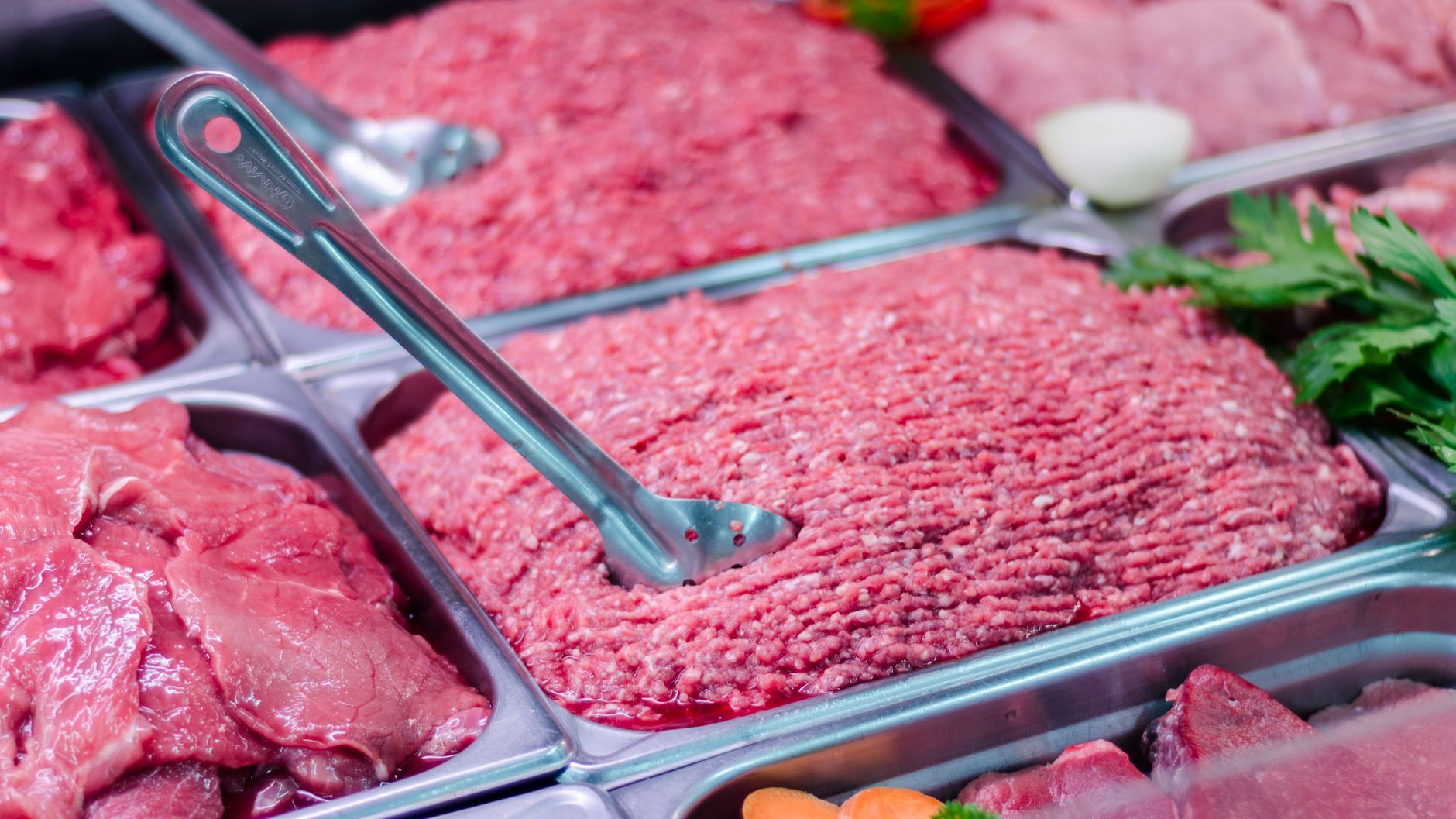
When it comes to storing ground beef, understanding how long it remains safe and fresh in the fridge is crucial for both food safety and flavor. Knowing the lifespan of ground beef can help you reduce waste and make informed meal planning decisions.
This article will provide an in-depth look at the storage duration of ground beef in the fridge, safety tips, and guidelines to ensure optimal use. Whether you’re an occasional cook or a meal-prepping expert, this information will serve as a valuable resource.
How Long Does Ground Beef Last in the Fridge?
Ground beef typically lasts 1 to 2 days in the fridge after purchase. However, this can vary based on factors such as packaging, handling, and the freshness of the meat at the time of purchase. To ensure your ground beef stays safe and delicious, follow proper storage guidelines and take note of any expiration dates.
Factors Affecting Ground Beef Storage Time
Several factors can influence how long ground beef stays fresh in the fridge. Understanding these can help you make better storage choices.
Freshness at Purchase
The fresher the ground beef when you buy it, the longer it will last in your refrigerator. Always check the sell-by or use-by date on the label to ensure you’re purchasing a high-quality product.
Packaging
Ground beef sold in vacuum-sealed packaging or butcher paper tends to last longer than that in a styrofoam tray due to better protection from air exposure and contamination. If you buy meat in a tray, it is advisable to cook or freeze it within a day or two.
Temperature Control
Maintaining the refrigerator at a consistent temperature of 40°F (4°C) or lower is vital for preserving the freshness of ground beef. Keep a thermometer in your fridge to monitor this if you suspect temperature fluctuations.
How to Store Ground Beef Properly
Proper storage techniques can significantly influence how long your ground beef will last. Here are some guidelines to follow.
- Keep it Cold: Store ground beef in the coldest section of your fridge, typically the back, where temperatures are more stable.
- Airtight Containers: If you plan to use the beef later, consider transferring it to an airtight container or resealing the original packaging to minimize exposure to air and moisture.
- Labeling: If you repackage your ground beef, label it with the date of purchase or repackaging to keep track of its freshness.
Signs Ground Beef Has Gone Bad
Knowing how to identify spoiled beef is essential for food safety. Here are some common indicators that ground beef has gone bad:
Color Changes
Fresh ground beef is usually bright red on the outside and may be a darker red or even brown on the inside. While slight color changes do not always indicate spoilage, a persistent gray or brown color can signal that the meat is no longer fresh.
Off Odors
Fresh ground beef has a slight metallic smell. However, if you notice a sour or rancid odor, it’s a sign that the meat may be spoiled.
Texture Changes
Fresh ground beef should feel moist but not slimy. If it develops a slippery texture or sticky residue, discard it immediately.
Excessive Drip or Liquid
If the packaging has excessive liquid or if you see pooling at the bottom, this may indicate spoilage. Liquid may form during storage, but a large amount is typically a warning sign.
How to Extend the Shelf Life of Ground Beef
If you want to store ground beef for a longer duration, freezing it is a great option. Here’s how to do it correctly:
Freezing Ground Beef
When properly frozen, ground beef can last up to 3 to 4 months. To freeze ground beef, follow these steps:
- Wrap it Up: Remove the original packaging, and wrap the beef tightly in plastic wrap or aluminum foil to prevent freezer burn.
- Use Freezer Bags: Place the wrapped beef in a freezer bag, squeezing out as much air as possible before sealing.
- Label and Date: Write the date on the bag to know when to use it.
- Store: Place it in the freezer, preferably in an area where it won’t get knocked around.
Thawing Frozen Ground Beef
When it’s time to use frozen ground beef, proper thawing is essential. The best methods are:
- Refrigerator Thawing: Transfer frozen ground beef from the freezer to the fridge and let it thaw overnight. This method may take several hours but is the safest.
- Cold Water Thawing: Submerge the sealed beef in cold water, changing the water every 30 minutes. This method is quicker than refrigerator thawing and safe if you cook the meat immediately after thawing.
- Microwave Thawing: You can use a microwave’s defrost function if you’re in a hurry. However, cook immediately after to prevent any bacteria development.
Cooking and Safety Tips for Ground Beef
Handling ground beef safely is crucial to prevent foodborne illnesses. Here’s what to consider:
Cooking Temperature
Always cook ground beef to a safe internal temperature of 160°F (71°C). Use a meat thermometer to check for doneness, as color can be an unreliable indicator of safety.
Cross-Contamination Prevention
To prevent cross-contamination, always wash your hands, utensils, and surfaces after handling raw ground beef. Use separate cutting boards for meat and other ingredients.
Leftover Storage
If you have cooked ground beef, you can store it in the fridge for 3 to 4 days. Cool it rapidly and store in an airtight container for safety and flavor retention. Be sure to label it with a date.
How Long is Cooked Ground Beef Good in the Fridge?
As mentioned, cooked ground beef can last in the fridge for 3 to 4 days. Ensure it is stored properly to maintain its quality during this time.
To know more about how long cooked ground beef can last, refer to our guide on how long is cooked ground beef good in the fridge.
Practical Meal Planning with Ground Beef
Ground beef is versatile and can be used in various dishes throughout the week. Here are a few ideas for incorporating ground beef into your meal planning:
Meal Ideas
- Tacos: Use ground beef as the star ingredient for taco night. Pair with toppings such as cheese, lettuce, and salsa for a family favorite.
- Spaghetti Bolognese: Ground beef works wonderfully in a hearty tomato sauce served over pasta.
- Stuffed Peppers: Mix with rice, cheese, and vegetables for a nutritious and colorful dish.
- Meatballs: Combine ground beef with breadcrumbs and seasonings for meatballs that can be served with marinara sauce or in sub sandwiches.
Batch Cooking
Consider cooking a larger quantity of ground beef at once and dividing it into portions for different meals. Store it properly in the fridge or freezer, so you can easily pull it out whenever needed.
Common Mistakes to Avoid
When handling and storing ground beef, certain pitfalls can lead to spoilage or food safety issues. Here are some frequent mistakes to avoid:
Leaving it Out Too Long
Never leave ground beef at room temperature for more than 2 hours, as this can allow bacteria to grow rapidly.
Bumping Up Storage Time
Stick to the recommended storage times. If you’re unsure whether your ground beef is still good, it’s better to err on the side of caution than risk foodborne illness.
Ignoring Best Practices for Thawing
Always thaw ground beef correctly to prevent harmful bacteria growth. Avoid leaving it on the counter to thaw; instead, opt for the refrigerator, cold water, or microwave methods mentioned earlier.
Conclusion
Understanding how long ground beef lasts in the fridge and the factors influencing its lifespan can help ensure that you’re serving safe, delicious meals to your family. By following proper storage guidelines and learning how to identify spoilage, you can maximize the potential of this versatile ingredient.
For further reading on ground beef storage, check out this guide on how long ground beef is good for in the fridge.
Explore more recipes and food storage tips to enhance your cooking experience and make meal planning easier!