
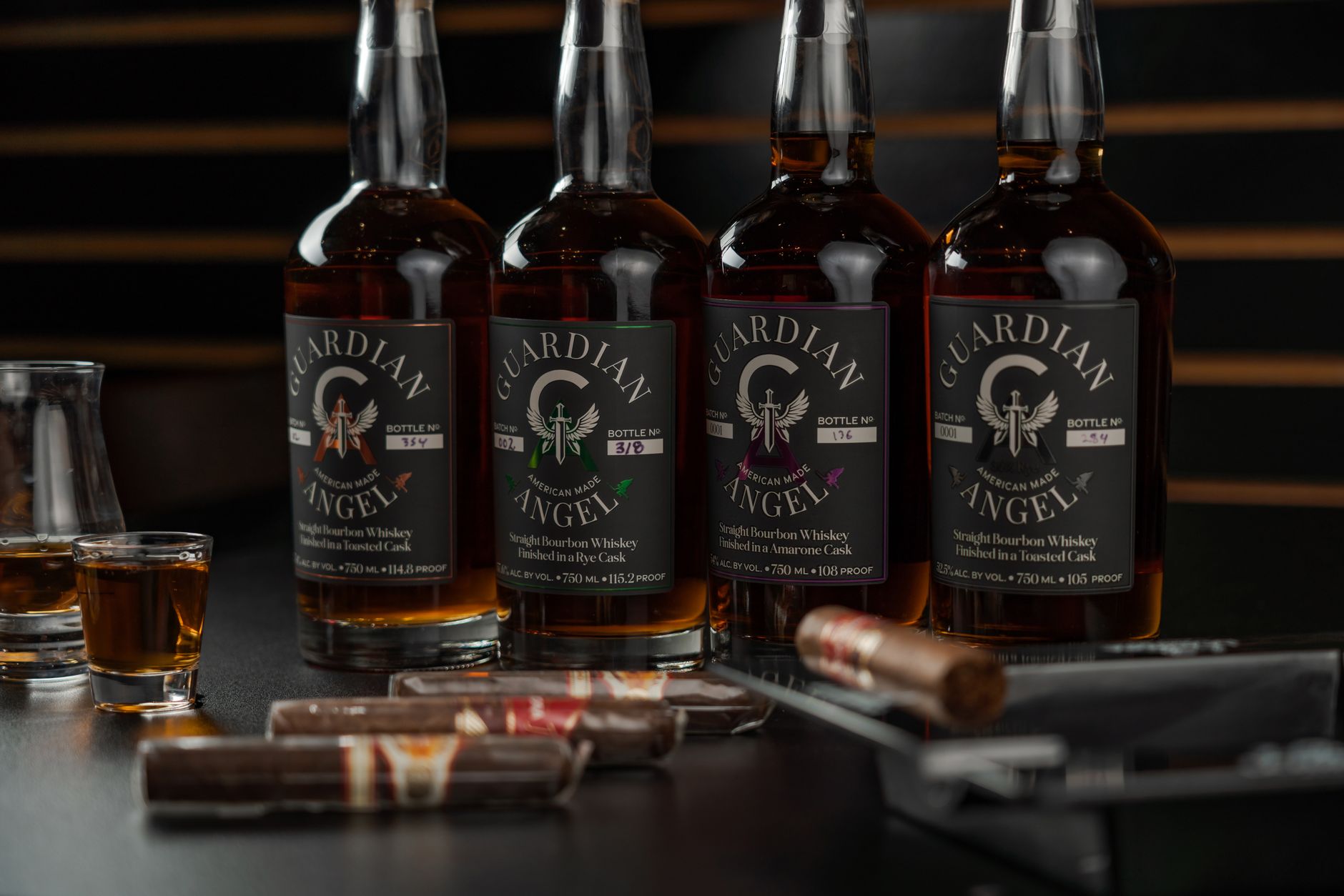
The term “single barrel” is often encountered in the world of distilled spirits, particularly whiskey. But what does it truly mean? While there are general definitions circulating, understanding the nuances of this term can enhance your appreciation for the craftsmanship behind this beloved spirit. This article will explore the definition of single barrel whiskey, its origins, how it is made, and what sets it apart from other forms of whiskey.
By the end, you’ll gain not only a better understanding of single barrel whiskey but also insights into how to select and enjoy this unique product. Whether you’re a casual drinker or a serious connoisseur, knowing more about single barrel whiskey can elevate your tasting experience.
What Does Single Barrel Mean?
Single barrel whiskey refers to whiskey that is bottled from a single cask without any blending with whiskey from other barrels. Each barrel contributes its own unique flavors and characteristics to the whiskey, setting single barrel products apart from blended varieties. This method allows spirits to retain the nuanced profiles developed during the aging process.
Origins of Single Barrel Whiskey
The concept of single barrel whiskey is rooted in tradition and craftsmanship. Distillers began experimenting with different aging techniques to create unique flavor profiles. The practice gained traction in the late 20th century as drinkers sought more authentic and varied whiskey experiences. This led to the bottling of whiskey from individual barrels, each with its distinct taste, aroma, and character.
The Craft of Barrel Selection
The selection of a barrel significantly influences the flavor of single barrel whiskey. Factors like wood type, grain source, and warehouse environment all contribute to the whiskey’s characteristics. Distillers often select specific barrels that they believe will produce exceptional quality whiskey, highlighting the artistry involved in creating single barrel expressions.
How is Single Barrel Whiskey Made?
The process of making single barrel whiskey includes several key steps, each vital to producing a high-quality spirit. Understanding these steps provides a clearer sense of what makes single barrel whiskey extraordinary.
1. Mash Bill Creation
The process starts with creating a mash bill, which is a mixture of grains designed for fermentation. Common grains used include corn, rye, barley, and wheat. The specific combination affects the flavor, sweetness, and aromatic qualities of the final product.
2. Fermentation
Once the mash bill is established, yeast is added to the mixture in a fermentation vessel. The yeast consumes the sugars in the grains, producing alcohol and carbon dioxide over several days. This step forms the base for all distilled spirits.
3. Distillation
After fermentation, the liquid, known as “wash,” is distilled, typically twice, to increase its alcohol content. During the distillation process, the wash is heated in a still, separating the alcohol from the water and impurities. The result is a high-proof spirit that will be diluted before aging.
4. Aging in Barrels
The distilled spirit is then transferred to oak barrels for aging. The aging process allows the liquor to absorb flavors from the wood and develop additional characteristics over time. Factors such as the barrel’s char level, the climate where it’s stored, and the duration of aging all contribute to the whiskey’s final profile.
5. Bottling from a Single Barrel
As the spirit matures, distillers will sample barrels to assess their quality and flavor. Once a barrel reaches the desired flavor profile, it is bottled without mixing with other barrels. Each batch will vary slightly, reflecting the unique characteristics of that specific barrel. This bottling process emphasizes the exclusivity and individuality of single barrel whiskey.
Differences Between Single Barrel and Blended Whiskey
To appreciate single barrel whiskey fully, it’s helpful to compare it to blended whiskey. Blended whiskey is made by combining spirits from multiple barrels to achieve a consistent flavor profile. Single barrel whiskey, on the other hand, showcases the distinct flavors and characteristics from one specific barrel.
- Single Barrel Whiskey: Unique flavors, variable characteristics, non-blended from a single cask.
- Blended Whiskey: Uniform flavors, consistency across batches, blended from multiple barrels.
Characteristics of Single Barrel Whiskey
Single barrel whiskey is known for its distinctive flavors and aromas. Factors such as the type of wood, age of the barrel, and location of storage play significant roles. Here are some common flavor notes you might encounter in single barrel whiskeys:
- Caramel and Vanilla: Often derived from the charred oak of the barrel.
- Spicy Notes: Common in rye-based whiskeys, offering heat and complexity.
- Fruity Aromas: Such as raisins or citrus notes, which can develop in specific barrels.
- Earthy Tones: Some single barrels may exhibit woodsy or grainy characteristics.
- Nutty Nuances: Hazelnut or almond flavors can also emerge from the aging process.
The variety of flavors available makes single barrel whiskeys a popular choice for those looking to expand their palate and discover new tastes. The richness of flavors can enhance various food pairings, making it a versatile choice for culinary exploration.
How to Enjoy Single Barrel Whiskey
To fully appreciate the complexity of single barrel whiskey, it’s essential to know how to serve and enjoy it properly. Here are some tips:
1. Glassware
Use a proper whiskey glass, such as a Glencairn glass or a tasting glass, to savor the aromas. These types of glasses help concentrate the aroma and allow for a more robust tasting experience.
2. Nose the Whiskey
Before sipping, take a moment to inhale the aromas. Note the different fragrances that come through; this step enhances the tasting experience.
3. Sip Slowly
At this stage, take a small sip and allow the whiskey to coat your palate. Pay attention to the various layers of flavor as you taste; each sip may reveal something new.
4. Water or Ice
While many prefer their whiskey neat, adding just a few drops of water can open up more flavors and aromas. Some people enjoy whiskey on the rocks to slightly chill and dilute the spirit.
5. Food Pairings
Single barrel whiskey can be paired wonderfully with a variety of foods. Consider the following pairings:
- Meats: Rich red meats, grilled meats, and barbecue complement the robust flavors of single barrel whiskey.
- Chocolate: Dark chocolate or chocolate desserts can enhance the whiskey’s sweeter notes.
- Nuts: Roasted or spiced nuts work well as a delightful snack alongside whiskey.
- Cheese: Aged cheeses, like Gouda or smoked varieties, can create a savory pairing.
Buying Single Barrel Whiskey
When shopping for single barrel whiskey, consider these helpful tips:
1. Research Distilleries
Different distilleries produce varied expressions of single barrel whiskey. Researching the distillery’s reputation will aid in selecting a quality product.
2. Read Reviews and Tastings
Various whiskey publications and websites provide reviews and tasting notes, helping you gain insight into the flavors of individual offerings.
3. Visit Local Liquor Stores or Distilleries
Many liquor stores feature knowledgeable staff who can provide recommendations based on your preferences. Visiting a distillery also enables you to learn more about their specific single barrel releases.
4. Limited Editions and Releases
Be on the lookout for limited releases or special bottlings, which can often yield unique flavors. However, these may also come with a higher price tag.
Common Mistakes to Avoid
When selecting or enjoying single barrel whiskey, avoid these common pitfalls:
- Rushing Tasting: Take your time to experience the flavors fully instead of consuming too quickly.
- Neglecting Glassware: Poor glass choices can limit the aroma and flavor you experience.
- Using Too Much Water or Ice: Adding too much water or ice can dilute the flavors, losing some of the complexity.
Storage Tips for Single Barrel Whiskey
Proper storage can significantly extend the life and flavor quality of your whiskey. Here are essential storage tips to keep in mind:
- Keep it Upright: Store whiskey bottles upright to prevent the cork from deteriorating.
- Control Temperature: Store in a cool, dark place, ideally between 60°F and 70°F (15°C to 21°C).
- Avoid Sunlight: Exposure to direct sunlight can degrade the whiskey over time, influencing its flavor.
- Seal Tightly: Ensure the cap or cork is tightly sealed to prevent air from entering and oxidizing the spirit.
Conclusion
Understanding what single barrel means opens up a world of exploration in the realm of whiskey. Each bottle tells a unique story through its distinctive flavors, making it a treasured choice among enthusiasts and newcomers alike. By learning about its origins, production process, and how to choose and enjoy single barrel whiskey, you can deepen your appreciation for this often-overlooked craft.
For those interested in further refining their culinary skills, consider exploring related recipes, cooking tips, or food guides to complement your whiskey experience. Discover new ways to enjoy your culinary journey!