
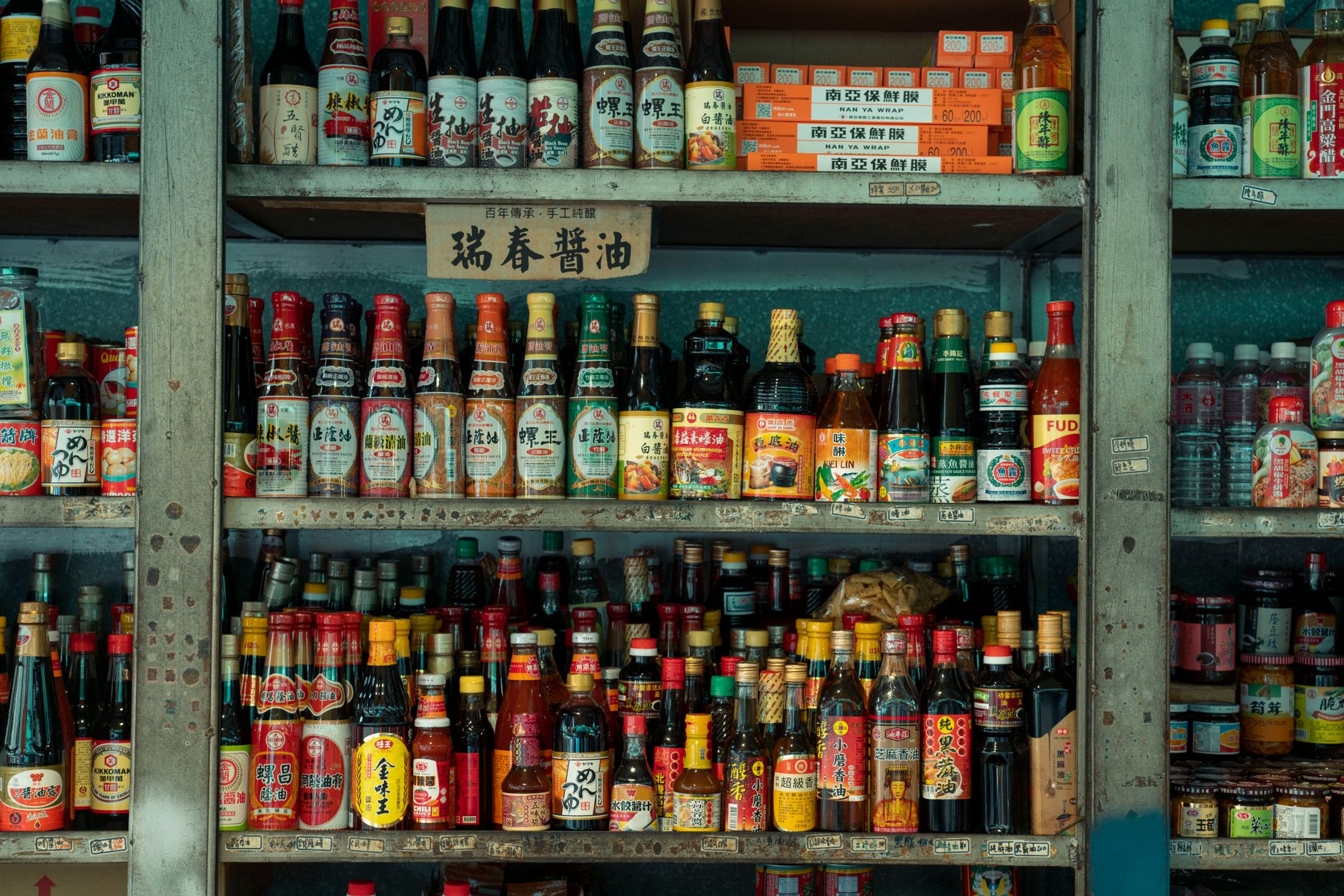
Soy sauce is a staple in many kitchens around the world, renowned for its rich umami flavor and versatility in various dishes. However, understanding its shelf life and proper storage is essential to ensure that it retains its quality and flavor over time.
This article will explore how long soy sauce lasts, how to store it effectively, and tips for maintaining its flavor. Whether you use soy sauce for marinades, dressings, or as a condiment, you’ll find the information you need to keep this essential ingredient in top condition.
How Long Does Soy Sauce Last?
Soy sauce can last quite a long time, especially if stored properly. Unopened, it can easily last for years, often retaining its best quality for around two to three years past the date on the bottle. Once opened, its flavor and quality can remain optimal for about six months to a year, depending on storage conditions.
Environmental factors such as light, heat, and exposure to air can affect its longevity. In the refrigerator, opened soy sauce can last even longer due to the cooler, darker conditions. Understanding these nuances helps ensure that your soy sauce remains flavorful and safe to use.
Understanding Soy Sauce Types
Before diving deeper into storage and shelf life, it’s worth noting the different types of soy sauce available. Each variety may have slight differences in their shelf lives:
- Regular Soy Sauce: The most common type, made from fermented soybeans and wheat, has a robust flavor and color.
- Reduced-Sodium Soy Sauce: Contains less salt than regular soy sauce, which may cause it to spoil faster. It’s best used within six months after opening.
- Dark Soy Sauce: A thicker, sweeter version often used for flavoring. Similar shelf life to regular soy sauce.
- Light Soy Sauce: A lighter color and flavor, often used in dishes where a subtle soy flavor is desired. It generally has a similar shelf life to dark soy sauce.
- Tamari: A gluten-free soy sauce alternative made mainly from soybeans. Its shelf life is comparable to regular soy sauce.
Storage Tips for Soy Sauce
To extend the life of your soy sauce, proper storage is key. Here are some effective tips to keep your soy sauce fresh and flavorful:
Keep it Sealed
Ensure that the cap is tightly closed when not in use. This minimizes exposure to air, which can degrade the flavor over time.
Store in a Cool, Dark Place
Soy sauce should ideally be kept in a cool, dark area away from direct sunlight, like a cupboard or pantry. Avoid placing it near heat sources such as ovens or stoves, which can spoil the sauce faster.
Refrigeration
Though soy sauce can be stored at room temperature, refrigeration is beneficial after opening. It helps preserve the flavor and quality for a longer period. This is particularly useful for reduced-sodium varieties, which are more susceptible to spoilage.
Avoid Large Containers
If possible, purchase soy sauce in smaller containers. This allows you to use it up quickly before it starts to lose quality, reducing the risk of spoilage.
Signs of Spoilage
While soy sauce has a long shelf life, it’s important to be able to identify whether it has gone bad. Here are some signs that your soy sauce may no longer be good to use:
- Off-Smell: Fresh soy sauce has a strong umami aroma. If it smells off, sour, or has an unusual odor, it’s best to discard it.
- Change in Color: While soy sauce may darken slightly over time, any drastic color change could indicate spoilage.
- Unpleasant Taste: If the soy sauce tastes significantly different from what you remember, it may be past its prime. Conduct a small taste test to check if it’s still enjoyable.
- Unusual Texture: If you notice any sediment or if it has thickened unusually, it’s advisable to throw it out.
Common Uses for Soy Sauce
Soy sauce is a key ingredient in various dishes, making it versatile in the kitchen. Here are some common uses:
- Marinades: Soy sauce can be used as a base for marinades, contributing flavor to meats, tofu, and vegetables.
- Stir-Fries: Add soy sauce towards the end of cooking for a flavorful finish to your stir-fry dishes.
- Dipping Sauce: Use soy sauce as a dip for sushi, dumplings, and fresh spring rolls.
- Soups and Stews: Enhance the umami profile by adding soy sauce to broths or stews.
- Salad Dressings: Combine soy sauce with other ingredients to create unique dressings for salads.
How to Make Your Own Soy Sauce
For those keen on trying their hand at homemade versions, making soy sauce is possible, though the process is lengthy due to fermentation. Here’s a simplified outline:
Basic Ingredients
- Whole soybeans
- Wheat flour
- Koji starter (a mold used to ferment)
- Salt
- Water
Basic Method
- Soak whole soybeans in water overnight.
- Cook the soybeans until soft and mix in wheat flour.
- Add kochi starter to the mixture and allow it to ferment for a few days at room temperature, covered with a cloth.
- After fermentation, add salt to the mixture and additional water.
- Transfer the mix to glass jars and allow it to ferment for several months.
Note: Making soy sauce at home requires patience and attention to detail. Ensure you follow safe fermentation practices, and it’s advisable to refer to specific recipes to achieve the desired flavor profile.
Cooking Tips for Using Soy Sauce
When using soy sauce in your cooking, keep a few tips in mind to maximize its impact:
- Balance Flavors: Soy sauce is salty, so adjust the amount you use in recipes with other salty ingredients.
- Heat Improves Flavor: Cooking soy sauce can enhance its aroma and depth, making it an excellent addition to sauces and braises.
- Avoid Overdoing It: Start with a small amount and taste as you go to avoid overpowering your dishes.
- Combine with Other Sauces: Mixing soy sauce with other condiments, like sesame oil or rice vinegar, can provide a deeper flavor complexity.
Using Soy Sauce in Different Cuisines
Soy sauce is prominent in various cuisines, especially in Asian dishes. Here are some ways it plays a role in different culinary contexts:
- Chinese Cuisine: Used for stir-fries, braising, and as a dipping sauce.
- Japanese Cuisine: Integral to sushi and sashimi, often served for dipping. It is also used in teriyaki and noodle dishes.
- Korean Cuisine: Often part of marinades for barbecue dishes and a key ingredient in kimchi.
- Vietnamese Cuisine: Used in pho and as a dipping sauce with fresh spring rolls.
Conclusion
Soy sauce is a versatile ingredient that can last a long time when stored correctly. Understanding its shelf life, storage tips, and best practices for usage can help you enjoy its rich flavor in various dishes for years to come. Always check for signs of spoilage, and with the right care, your soy sauce will remain a reliable kitchen staple.
For further insights, explore how soy sauce is made or learn when Chick-fil-A serves breakfast. These topics will enrich your understanding of this beloved condiment and its applications in cooking.