
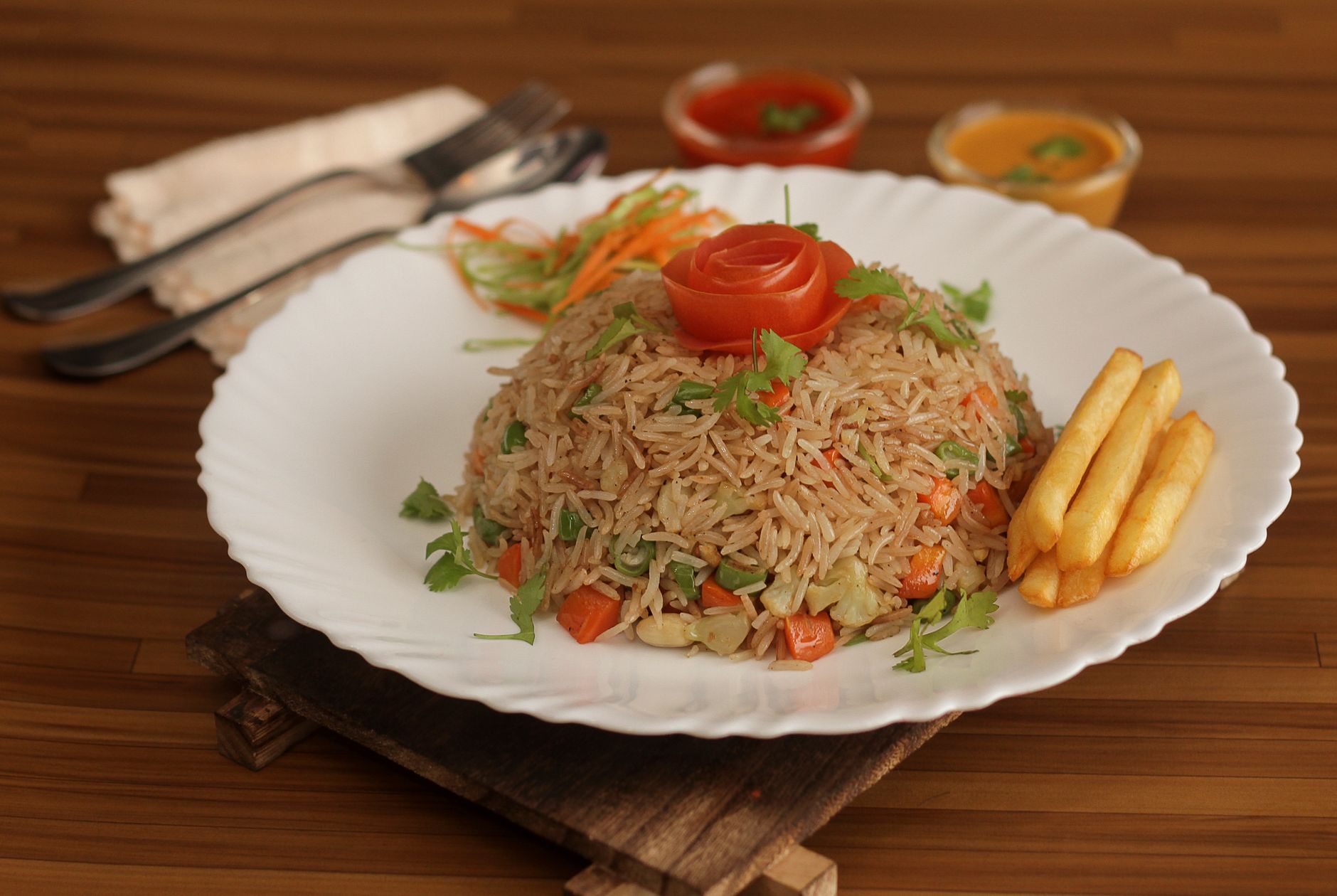
Vegetable fried rice is a popular dish enjoyed by many. It often features an array of colorful vegetables, mixing in a classic stir-fried preparation with seasoned rice. However, as health consciousness rises, it’s natural to wonder, “Is vegetable fried rice healthy?” Understanding its nutritional profile and servings can help you make informed choices about including it in your diet.
This article explores the health aspects of vegetable fried rice, including nutritional content, potential health benefits, and serving suggestions. By the end, you’ll have a clearer idea of how to incorporate this beloved dish into a balanced meal plan.
Is Vegetable Fried Rice Healthy?
Yes, vegetable fried rice can be a healthy dish when prepared with nutritious ingredients and consumed in moderation. It typically includes a variety of vegetables, which are high in vitamins, minerals, and fiber. However, its healthiness can vary significantly based on preparation methods and ingredient choices.
Nutritional Overview of Vegetable Fried Rice
Nutritional content can differ depending on specific ingredients and the cooking method used. A basic serving of vegetable fried rice generally contains a blend of cooked rice, various vegetables, some type of oil, and optional seasonings like soy sauce or sesame oil. The key components are:
- Rice: Provides carbohydrates, which are your body’s primary energy source.
- Vegetables: Offer vitamins (like A and C), minerals (such as potassium), and fiber, supporting overall health.
- Oil: Typically used to stir-fry the ingredients, contributing fats that are necessary for nutrient absorption.
- Seasonings: Enhance flavor but may add sodium, so it’s best to use them in moderation.
Simulating a Nutritional Breakdown
Consider a typical serving of vegetable fried rice, about one cup (approximately 200 to 250 grams). It might contain the following estimated nutritional information:
| Nutrient | Amount |
|---|---|
| Calories | 250-300 |
| Protein | 5-10 grams |
| Carbohydrates | 45-55 grams |
| Fats | 8-10 grams |
| Fiber | 2-4 grams |
| Sodium | 300-600 mg |
These values may vary widely based on specific ingredients and cooking methods. When made at home, you have greater control over the types of oils, the amount of rice, and sodium levels.
Health Benefits of Vegetable Fried Rice
Vegetable fried rice, when prepared thoughtfully, boasts various health benefits:
1. Rich in Vegetables
Including various vegetables not only enhances flavor but also increases the healthcare benefits. Vegetables are laden with essential nutrients and antioxidants that promote overall well-being.
2. High in Fiber
High fiber content from vegetables and whole grain rice can assist in digestive health, leading to improved gut function and better regulation of blood sugar levels. Fiber also contributes to a feeling of fullness, which can help in weight management.
3. Lean Protein Options
While traditional vegetable fried rice is primarily plant-based, adding tofu, tempeh, or legumes can elevate the protein content, making it a more satisfying meal option.
4. Moderate Caloric Intake
When portioned correctly, vegetable fried rice can be a wholesome meal that fits into most dietary plans. It is easily customizable, accommodating various caloric and nutrient needs.
5. Versatile Meal
Vegetable fried rice can be modified to suit numerous dietary preferences, whether vegan, gluten-free, or low-fat, by adjusting ingredients and preparation styles.
How to Prepare Healthy Vegetable Fried Rice
Making your own vegetable fried rice is a great way to control its nutritional content. Here’s a basic guide to crafting a healthier version of this classic dish.
Ingredients
- 2 cups cooked brown rice (preferably a day old, for better texture)
- 1 cup mixed vegetables (such as peas, carrots, bell peppers, and broccoli)
- 1 tablespoon vegetable oil (or olive oil for healthier fat)
- 2 cloves garlic, minced
- 1 tablespoon low-sodium soy sauce
- 1 teaspoon sesame oil (optional)
- ¼ cup chopped green onions (for garnish)
Essential Equipment
- Large skillet or wok
- Spatula or wooden spoon
- Knife and cutting board
Method
- Begin by heating the vegetable oil in a large skillet or wok over medium-high heat.
- Add the minced garlic and stir-fry for about 30 seconds until fragrant.
- Incorporate mixed vegetables into the pan, cooking for around 3-5 minutes until they are tender yet crisp.
- Add the cooked brown rice, breaking it apart with your spatula. Stir-fry for an additional 3-4 minutes to heat everything evenly.
- Pour in the low-sodium soy sauce and sesame oil, tossing to coat all ingredients thoroughly.
- Remove from heat and garnish with chopped green onions before serving.
Common Mistakes to Avoid
While preparing vegetable fried rice, avoid these common pitfalls to ensure the healthiest result:
- Using fresh rice: Freshly cooked rice can become mushy when combined with other ingredients. Day-old rice is dryer and better for frying.
- Overcooking vegetables: To preserve nutrients and crispness, avoid cooking vegetables for too long.
- Excessive oil: Using too much oil can increase calorie content. Stick to a tablespoon for a single serving.
- Ignoring portion sizes: Though it can be part of a healthy diet, moderation is key, particularly regarding rice portions.
Healthy Variations and Ingredient Substitutions
Customizing vegetable fried rice allows you to match it with your dietary needs. Here are some tailored options:
1. Grains
Instead of white rice, opt for:
- Quinoa: A high-protein alternative that also offers a nutty flavor.
- Cauliflower Rice: A low-carb option, suitable for those on ketogenic diets.
- Brown Rice: Offers more fiber and nutrients than white rice.
2. Proteins
Incorporate different protein sources by adding:
- Tofu: Great for a plant-based protein source.
- Egg: Add scrambled eggs for traditional fried rice texture without being overly heavy.
- Chickpeas: A good plant-based protein option with added fiber.
3. Vegetables
Mix up your vegetable choices with options like:
- Zucchini
- Spinach
- Snow peas
- A variety of bell peppers
4. Seasonings
Use low-sodium sauce alternatives or herbs to reduce sodium content, such as:
- Coconut aminos: A soy sauce alternative with lower sodium.
- Herbs: Fresh coriander, basil, or parsley can add flavor without extra salt.
Serving Suggestions
Vegetable fried rice can be served as a standalone dish or as a side. Here are some ideas:
- Pair with grilled meats or fish for protein.
- Serve with a side of spring rolls or vegetable dumplings for a complete meal.
- Add a simple side salad for extra nutrients and texture.
Make-Ahead Guidance
Vegetable fried rice can be prepped in advance for convenience. Here are some tips:
- Prepare rice a day ahead and store it in the refrigerator for best texture.
- Chop all vegetables and store them in an airtight container in advance.
- Leftover fried rice can be stored for 3-4 days in the fridge and reheated in the microwave or stovetop.
Storage and Reheating Tips
To maintain food safety and quality when storing vegetable fried rice, follow these guidelines:
- Cool leftovers quickly and store them in airtight containers.
- Consume any leftovers within 3-4 days to avoid spoilage.
- Reheat thoroughly to an internal temperature of at least 165°F (74°C).
- To prevent dryness, consider adding a splash of water before reheating if using a microwave.
Final Thoughts on Vegetable Fried Rice
Vegetable fried rice can be a healthy addition to your meals if prepared with wholesome ingredients and served in suitable portions. Its versatility ensures you can cater it to meet personal taste preferences and dietary needs while enjoying its comforting flavor and texture. So, the next time you indulge in a bowl of vegetable fried rice, you can feel good about the choices you made!
Ready to explore more delicious dishes? Try out this Benihana Fried Rice Recipe or give these Hibachi Vegetables a go for a complete meal experience!