
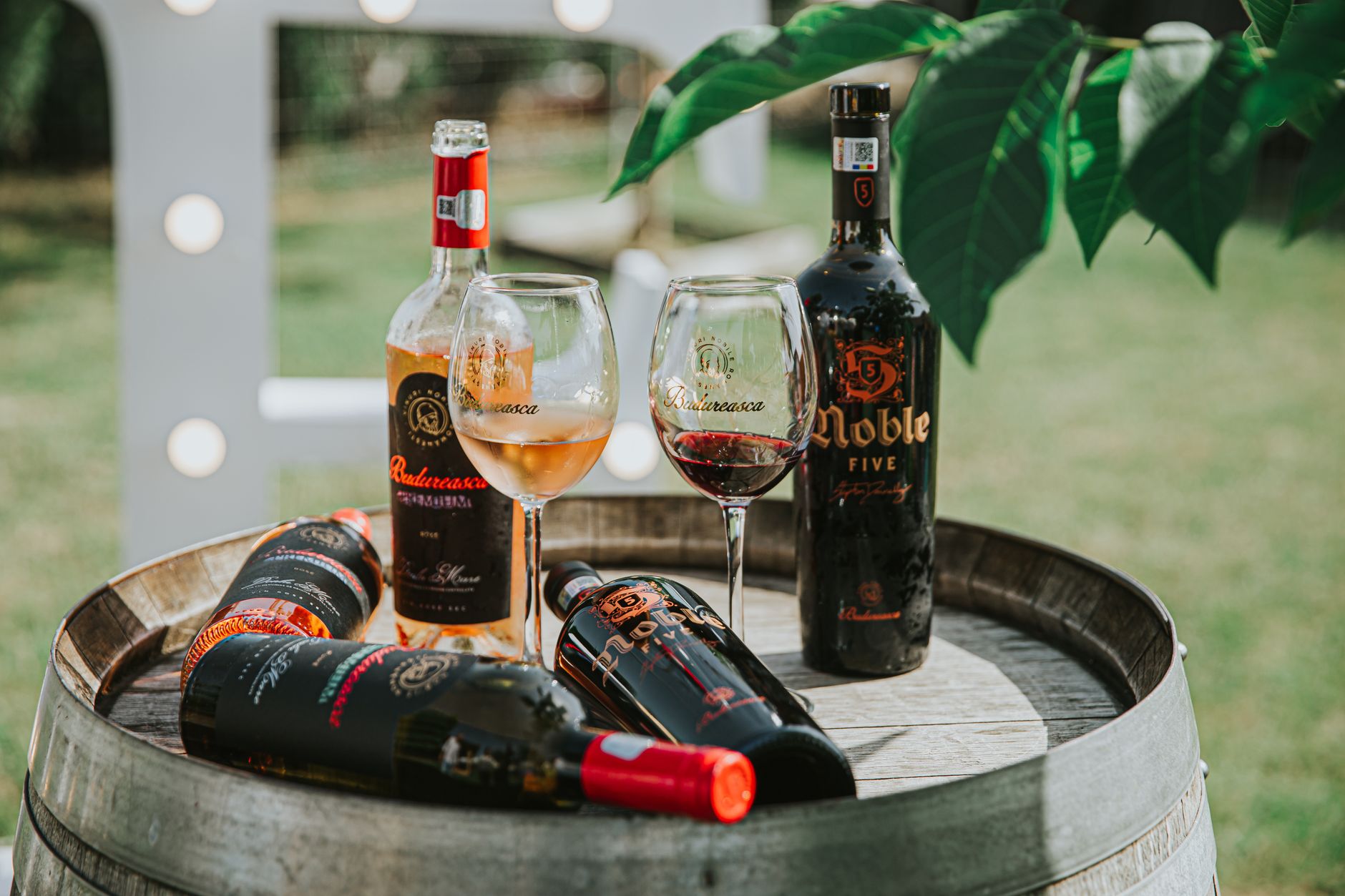
Understanding the shelf life of opened red wine is essential for wine lovers and casual drinkers alike. Knowing how long your favorite varieties can last will help you enjoy them at their best without unnecessary waste.
This guide will delve into the lifespan of red wine after being opened while providing tips on proper storage techniques to maximize freshness. You’ll gain insights into the factors affecting wine longevity and practical advice for enjoying your wine experience.
How Long Does Red Wine Last After Opened?
Opened red wine typically lasts between 3 to 5 days when stored properly. However, this can vary depending on the specific wine, its tannin level, acidity, and how it is stored. Following certain techniques can extend its shelf life and maintain the best flavor.
Factors That Affect the Longevity of Opened Red Wine
Several factors influence how long red wine remains drinkable after being opened. Understanding these can help you make informed choices on how to store your wine.
1. Type of Wine
The type of red wine plays a significant role in its longevity. Generally, wines with higher tannins, acidity, and alcohol content can last longer once opened. Examples include:
- Cabernet Sauvignon: Known for its tannin structure, it can last up to 5 days.
- Merlot: Slightly softer than Cabernet, it usually lasts around 3 to 4 days.
- Pinot Noir: With lower tannins, it tends to last about 2 to 3 days.
- Zinfandel: This fruity wine can last about 4 to 5 days due to its acidity.
2. Environmental Factors
Temperature and light exposure can significantly impact the quality of the wine once opened. Here are some important considerations:
- Temperature: Red wine should ideally be stored at cellar temperatures, approximately 55°F (13°C). Avoid storing opened bottles at room temperature, as higher temperatures speed up the oxidation process.
- Light: Exposure to light can degrade wine quality. Always store red wine away from direct sunlight and bright indoor lighting.
3. Oxygen Exposure
When wine is opened, it is exposed to oxygen, which can affect its taste. The oxidation process enhances certain flavors initially but will eventually lead to a decline in quality. The amount of oxygen exposure depends on:
- Headspace: The amount of air in the bottle affects how quickly it will oxidize. A full bottle with minimal air will last longer than one with a significant headspace.
- Wine Preservation: Using wine preservation tools like vacuum sealers can help reduce the wine’s exposure to oxygen.
Best Practices for Storing Opened Red Wine
Proper storage techniques can significantly extend the life of your opened red wine. Here are effective methods to keep your wine fresher for longer:
1. Reseal It Properly
After pouring, reseal the bottle with its original cork. If the cork is damaged or the wine doesn’t have a cork closure, consider using a wine stopper that creates an airtight seal.
2. Use Wine Preservation Tools
Investing in a good wine preservation system can make a substantial difference. Options include:
- Vacuum Pump: This tool removes air from the bottle, reducing oxidation.
- Inert Gas Systems: These products use gas to create a blanket over the wine, protecting it from oxygen.
3. Store Upright
Store opened bottles upright to minimize the wine’s surface area exposed to air. This reduces oxidation and helps maintain its flavor longer.
4. Refrigerate Your Wine
Even red wines benefit from refrigeration after being opened. A lower temperature can slow down the oxidation process, extending the wine’s lifespan.
Signs Your Red Wine Has Gone Bad
Even with careful storage, red wine can eventually spoil. Recognizing the signs that your wine has gone bad can prevent unpleasant drinking experiences.
1. Off Odor
Good red wine should have a pleasant aroma. If you detect a sour, vinegar-like smell, your wine has likely gone bad due to oxidation.
2. Discoloration
Changes in a wine’s color can indicate spoilage. Noticing a brownish tint where a vibrant ruby color once was can be a tell-tale sign.
3. Unpleasant Taste
When sipping, if you notice a distinctly sour taste or unexpected flavors that were not inherent to the wine initially, this is a key indication that the wine is no longer good.
How to Enjoy Leftover Red Wine
If your opened red wine hasn’t gone bad, there are enjoyable ways to make the most out of its remaining life.
1. Cooking with Red Wine
Opened red wine can be an excellent ingredient for various dishes. Here are common culinary uses:
- Marinades: Use red wine in marinades to tenderize meat and enhance flavor.
- Stews and Sauces: Add flavor depth to stews, risottos, or sauces by incorporating red wine in their preparation.
- Reduction Sauces: Create concentrated sauce reductions for drizzling over meats and vegetables.
2. Wine Cocktails
Crafting cocktails with leftover red wine can be a fun approach. Here are a couple of suggestions:
- Red Wine Spritzer: Mix red wine with club soda and add a slice of citrus for a refreshing twist.
- Sangria: Combine red wine with chopped fruits, brandy, orange juice, and a splash of soda for a delicious summer drink.
Conclusion
Understanding how long opened red wine lasts is essential for enjoying your favorite bottles to the fullest. With proper storage techniques, you can maximize its freshness for up to five days, depending on the type of wine and storage conditions. Remember to keep an eye out for signs of spoilage to avoid unpleasant drinking experiences. And if you have any left, don’t hesitate to use it creatively in the kitchen.
Explore our additional guides for cooking tips, wine pairing suggestions, or other food-related articles to enhance your culinary adventures.