
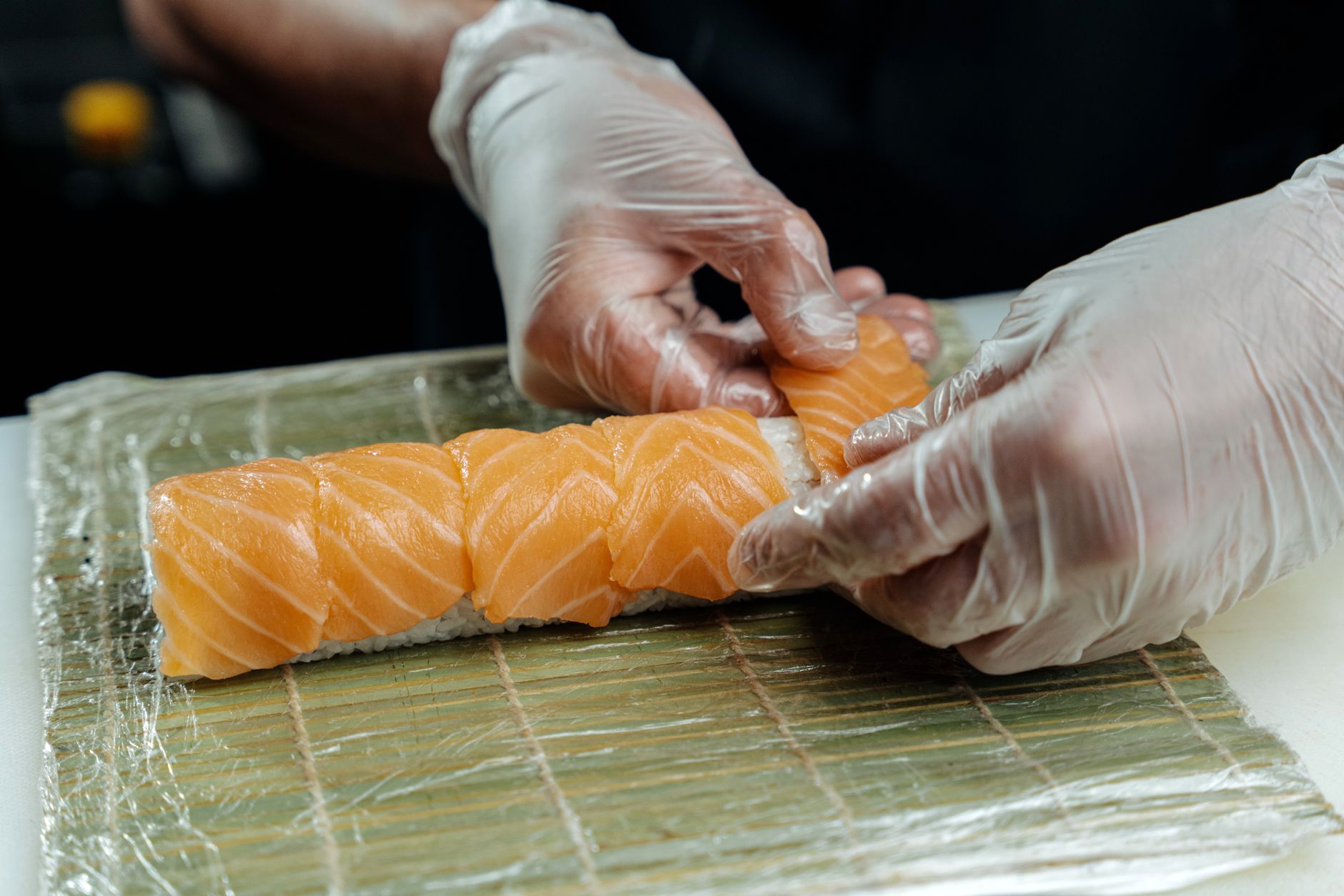
Raw sushi, a beloved dish known for its delicate flavors and unique textures, often raises questions about storage and food safety. Properly handling raw ingredients is essential to enjoy sushi without health concerns. This guide will help you understand how long raw sushi lasts in the fridge and the best practices for its storage.
Understanding the shelf life of raw sushi involves several factors, including the type of fish, ingredients used, and storage conditions. With the right care, you can safely enjoy this delicious dish without compromising flavor or safety.
How Long Does Raw Sushi Last in the Fridge?
Raw sushi can last in the fridge for about 24 hours when properly stored. However, factors such as the type of fish used, its freshness at purchase, and how it is wrapped and stored can influence its longevity. Always ensure that sushi is kept at temperatures below 40°F (4°C) to minimize the risk of bacterial growth.
Factors That Affect Sushi Freshness
Several key factors influence how long raw sushi lasts in the fridge:
- Type of Fish: Different types of seafood have varying shelf lives. Fatty fish like tuna and salmon may spoil faster than lean fish.
- Freshness: The quality and freshness of the fish at the time of purchase directly affect how long sushi can be stored.
- Storage Conditions: Proper refrigeration and airtight storage significantly extend the sushi’s freshness.
- Ingredients: Certain ingredients like avocado or cucumber may alter the overall shelf life.
Best Practices for Storing Raw Sushi
To maximize the longevity of your raw sushi, follow these best practices:
- Refrigerate Promptly: Store sushi in the fridge immediately after purchase or preparation to keep it fresh.
- Airtight Containers: Use airtight containers or wrap sushi tightly in plastic wrap to limit exposure to air and moisture.
- Keep It Cold: Ensure your fridge maintains a temperature of 40°F (4°C) or lower.
- Separate from Other Foods: Keep sushi away from stronger-smelling foods to prevent flavor contamination.
How to Tell If Sushi Has Gone Bad
It is crucial to know how to identify spoiled sushi. Here are some signs to look out for:
- Odor: Fresh sushi should have a mild scent. A strong, fishy smell indicates spoilage.
- Texture: Fresh fish should be firm to the touch. If the fish feels slimy or mushy, it has likely spoiled.
- Color: Fresh sushi fish should be vibrant in color. A dull appearance or discoloration is a red flag.
Tips for Safe Sushi Consumption
Ensuring your sushi is safe to eat involves these important tips:
- Buy from Reputable Sources: Purchase sushi from well-known restaurants or reputable fish markets that adhere to food safety standards.
- Use Fresh Ingredients: If making sushi at home, use the freshest fish and ingredients available.
- Keep Raw Fish Isolated: When preparing sushi at home, use separate cutting boards and utensils for raw fish to avoid cross-contamination.
- Thawing Frozen Fish: If using frozen fish, thaw it in the refrigerator and not at room temperature to avoid bacterial growth.
Storage Tips for Homemade Sushi
Making sushi at home can be a fun culinary experience. Here’s how to store homemade raw sushi correctly:
- Preparation: Prepare sushi on clean surfaces and utensils to minimize contamination.
- Cooling: If you have made sushi rice, cool it quickly before assembling sushi to avoid bacterial growth.
- Container: Use a large, flat container if storing multiple rolls, ensuring they do not stick together.
- Avoid Excess Moisture: Place a paper towel in the container to absorb any excess moisture.
Freezing Raw Sushi: Is It an Option?
If you want to keep raw sushi for a longer period, freezing is an option, though it can alter texture and flavor.
To freeze raw sushi, follow these steps:
- Wrap Tightly: Wrap each sushi roll tightly in plastic wrap to prevent freezer burn.
- Use an Airtight Container: Place the wrapped sushi in an airtight container.
- Label: Indicate the date on the container for reference.
- Thaw Carefully: When ready to eat, thaw sushi in the refrigerator overnight instead of at room temperature.
Different Types of Sushi and Their Storage Recommendations
Different sushi types can have varying storage techniques and shelf lives. Here’s a quick overview:
Nigiri Sushi
Typically made with a slice of fish on top of sushi rice, nigiri should be consumed as soon as possible for the best flavor. It lasts about 24 hours in the fridge.
Maki Sushi
Maki sushi, or rolled sushi, can remain fresh for up to 24 hours when stored properly. Ensure it is wrapped tightly to prevent drying out.
Sashimi
Sashimi, which is simply raw fish without rice, should ideally be consumed within 24 hours if stored correctly in the fridge, as it has a shorter shelf life than sushi.
Temaki Sushi
Temaki, or hand rolls, contain fish and are wrapped in seaweed. They are best eaten fresh; if stored, they typically last about 6 to 12 hours.
Uramaki Sushi
Uramaki, or inside-out rolls, can be stored in the fridge for up to 24 hours. Keep them covered with a damp paper towel to retain moisture.
Common Mistakes to Avoid When Storing Sushi
Avoid these mistakes to extend the life of your sushi:
- Keeping Sushi at Room Temperature: Never leave raw sushi out for more than two hours at room temperature, as bacteria can multiply rapidly.
- Using Inadequate Wrapping: Sushi not wrapped tightly may dry out or absorb odors.
- Freezing Thawed Fish: Never freeze fish that has already been thawed to prevent foodborne illness.
How to Reheat Cooked Sushi
If you have cooked sushi (like some types of rolls that contain baked ingredients), follow these reheating tips:
- Oven Method: Preheat your oven to 350°F (175°C). Wrap the sushi in foil and heat for about 10-15 minutes until thoroughly warm.
- Microwave Method: Place sushi on a microwave-safe plate. Cover with a damp paper towel and heat in short increments (15-20 seconds) until warm.
Final Thoughts on Raw Sushi Storage
Raw sushi is a delicacy that requires careful attention to storage and safety. By following the best practices outlined here, you can enjoy fresh, delicious sushi without compromising food safety. Always prioritize consuming sushi as soon as possible for the best experience.
For a deeper understanding of food storage, check how long cooked ground beef lasts, or find out how long cooked chicken is good in the fridge. Exploring these resources will provide valuable insights into keeping your meals fresh and safe.