
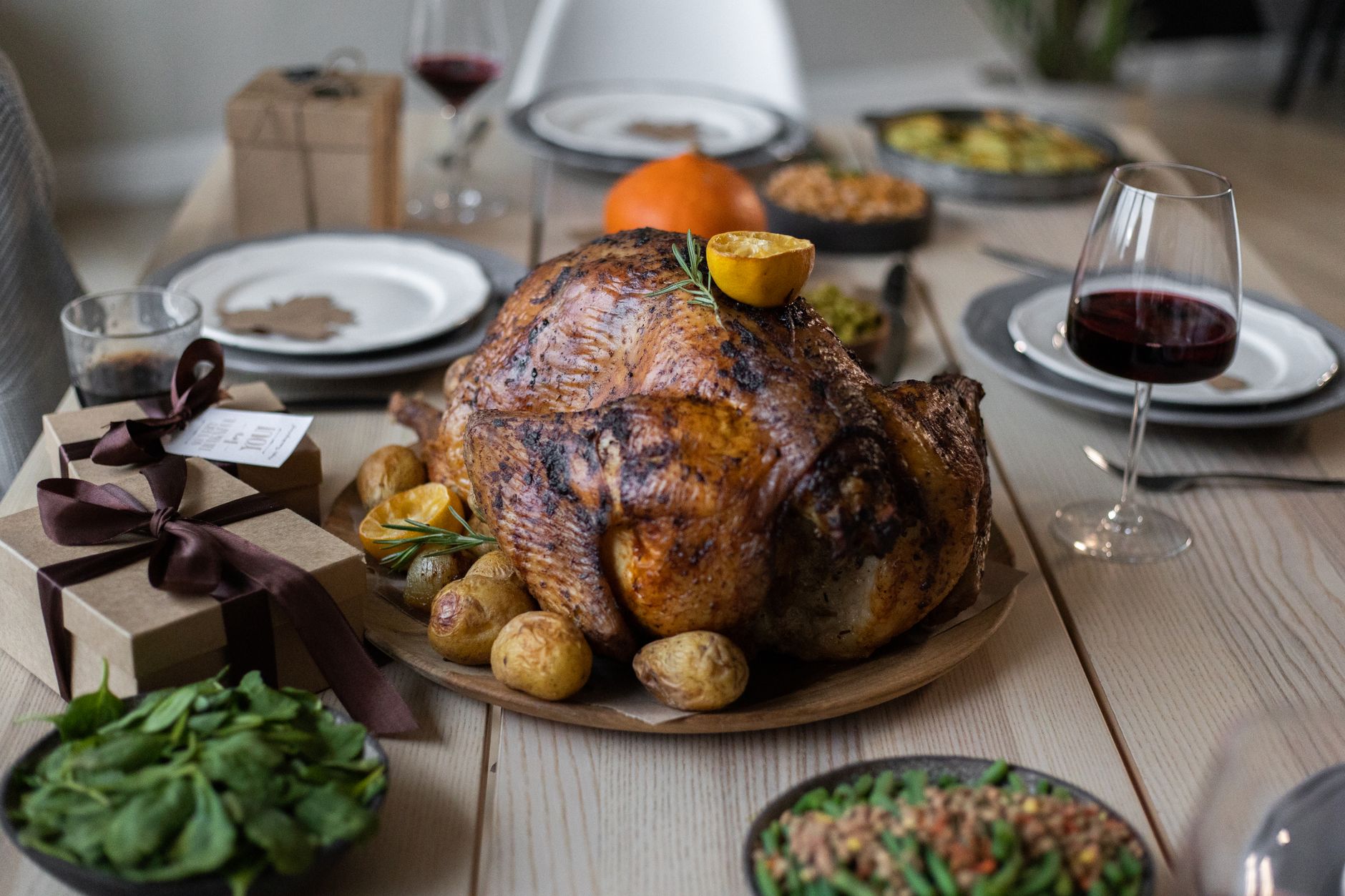
Cooking turkey can be daunting, especially when trying to ensure it’s cooked perfectly without losing its moisture. Understanding the basic timelines for cooking turkey is essential for a successful meal, whether it’s for a holiday gathering or a family dinner. This guide covers everything you need to know about how long it takes to cook a turkey, including cooking times, tips for doneness, and preparation methods.
The cooking time for turkey varies based on factors like the size of the bird, the cooking method you choose, and whether the turkey is stuffed or unstuffed. This article will provide you with clear estimates, alongside helpful tips to ensure your turkey comes out tender and flavorful.
How Long Does It Take to Cook Turkey?
The cooking time for turkey typically ranges from 13 to 15 minutes per pound when roasting an unstuffed bird in an oven set at 325°F (163°C). For stuffed turkeys, the cooking time increases to 15 to 17 minutes per pound. This estimation can vary, so always rely on a meat thermometer to check for doneness.
Factors Affecting Cooking Time
Several factors can influence the cooking time of a turkey, and being aware of these can help you achieve the best results.
1. Size of the Turkey
The weight of the turkey is a primary factor in determining how long it takes to cook. A smaller turkey will cook faster than a larger one, which directly relates to per-pound cooking times.
2. Cooking Method
The cooking method you choose also affects the final cooking time. Turkey can be roasted, fried, brined, or even smoked, with each method having its unique timeline and flavor profile.
3. Stuffing
If you’re cooking a stuffed turkey, be prepared for longer cooking times. Stuffing not only increases the weight but also insulates the turkey’s interior, requiring more time for the bird to reach a safe temperature.
4. Temperature Consistency
Maintaining a consistent oven temperature is key. Fluctuating temperatures can lead to uneven cooking, requiring additional time or risk of undercooking.
General Cooking Time Guidelines
Below are the general cooking times for unstuffed and stuffed turkeys based on their weight.
| Turkey Weight | Cooking Time (Unstuffed) | Cooking Time (Stuffed) |
|---|---|---|
| 8 to 12 lbs | 2.5 to 3 hours | 3 to 3.5 hours |
| 12 to 14 lbs | 3 to 3.75 hours | 3.5 to 4 hours |
| 14 to 18 lbs | 3.75 to 4.25 hours | 4 to 4.25 hours |
| 18 to 20 lbs | 4.25 to 4.5 hours | 4.25 to 4.75 hours |
| 20 to 24 lbs | 4.5 to 5 hours | 4.75 to 5.25 hours |
Achieving Proper Doneness
To ensure your turkey is cooked safely and is juicy, you’ll want to check the internal temperature. Here are safe temperature guidelines for various turkey parts:
- Breast meat: 165°F (74°C)
- Thigh meat: 165°F (74°C)
- Stuffing (if applicable): 165°F (74°C)
Insert a meat thermometer into the thickest part of the turkey’s thigh, avoiding bones, for the most accurate reading. Always allow your turkey to rest for at least 20 to 30 minutes before carving; this allows the juices to redistribute, ensuring a moist and flavorful meal.
Cooking Methods
Different cooking methods can add unique flavors to your turkey and can also influence the cooking time. Here’s a breakdown of popular methods:
1. Roasting
Roasting is the most traditional method for cooking a turkey. Preheat your oven to 325°F (163°C) and use the weight-based cooking times outlined earlier. A simple blend of herbs and spices, along with butter, can enhance the flavor of the turkey. Remember to baste periodically for a crispy skin.
2. Deep Frying
Deep frying a turkey creates a beautifully crispy exterior while preserving moisture inside. A deep-fried turkey typically cooks in about 3 to 4 minutes per pound. Ensure the oil temperature remains consistent around 350°F (180°C) for optimal results. For a detailed guide on frying a turkey, check out our guide on how long to deep fry a turkey.
3. Smoking
Smoked turkey offers a distinct flavor, but it does require more time. Cooking over low heat (around 225°F to 250°F or 107°C to 121°C) typically takes about 30 to 40 minutes per pound. This method provides a tender result with a smoky taste that can be further enhanced with brining.
4. Brining
Brining can dramatically improve the moisture content of your turkey. You can opt for wet brining or dry brining. The brining process adds time because you should brine the turkey for at least 12 to 24 hours before cooking. However, the payoff is worth it as it prevents drying out during the cooking process.
Common Mistakes to Avoid
Here are some common pitfalls to avoid when cooking turkey:
- Not Thawing Properly: Always fully thaw your turkey before cooking. This can take several days in the refrigerator, depending on its size. A 12-pound turkey might take around 3 days to thaw completely.
- Skipping the Thermometer: Use a meat thermometer to ensure accurate doneness. Relying solely on cooking times is insufficient, as each turkey can vary.
- Panic Cooking: Trying to rush cooking by increasing the oven temperature can lead to uneven cooking and dryness.
- Overcooking: Keep a close eye on your turkey to avoid drying it out. A well-done turkey should be juicy, not dry and overcooked.
- Skipping the Rest: Allowing the turkey to rest after cooking permits moisture redistribution. Skipping this step can result in a drier turkey than intended.
Storage and Reheating
Leftover turkey can be an excellent way to enjoy meals long after the initial cooking. Here are some guidelines for proper storage and reheating:
1. Storage
Leftover turkey should be stored in an airtight container in the refrigerator within two hours of cooking. It is best consumed within 3 to 4 days. For longer storage, consider freezing leftover turkey, which can last up to 3 months when properly wrapped.
2. Reheating
When reheating turkey, aim for an internal temperature of 165°F (74°C). You can reheat in the oven, microwave, or even on the stovetop. If using the oven, cover the turkey with foil and heat at about 325°F (163°C) until warmed through.
Practical Tips for Turkey Success
Consider these practical tips to enhance your turkey cooking experience:
- Use a roasting pan with a rack: This helps air circulate around the turkey for even cooking.
- Season under the skin: Rub herbs and spices beneath the skin for deeper flavor penetration.
- Keep the kitchen cool: Turn off the oven light and minimize opening the oven door to maintain a consistent temperature.
- Utilize the drippings: Save the drippings from the roasting pan to make a rich gravy.
Make-Ahead Options
For a less stressful cooking experience, consider some make-ahead options, especially during the busy holiday season.
- Brine the turkey ahead of time: As mentioned, brining takes time, so plan accordingly.
- Prepare side dishes early: Many Thanksgiving side dishes can be prepared in advance and reheated.
- Make the gravy beforehand: Gravy can be made a day prior and stored in the refrigerator, making it easy to reheat on the big day.
Cooking a turkey can be a rewarding experience with the right planning and knowledge of cooking times. By understanding the factors influencing cooking times, utilizing safe cooking practices, and avoiding common mistakes, you can ensure your turkey turns out beautifully each time. Happy cooking!
For further reading on cooking turkey, explore our guide on how long to cook turkey per pound for more detailed instructions and tips.