
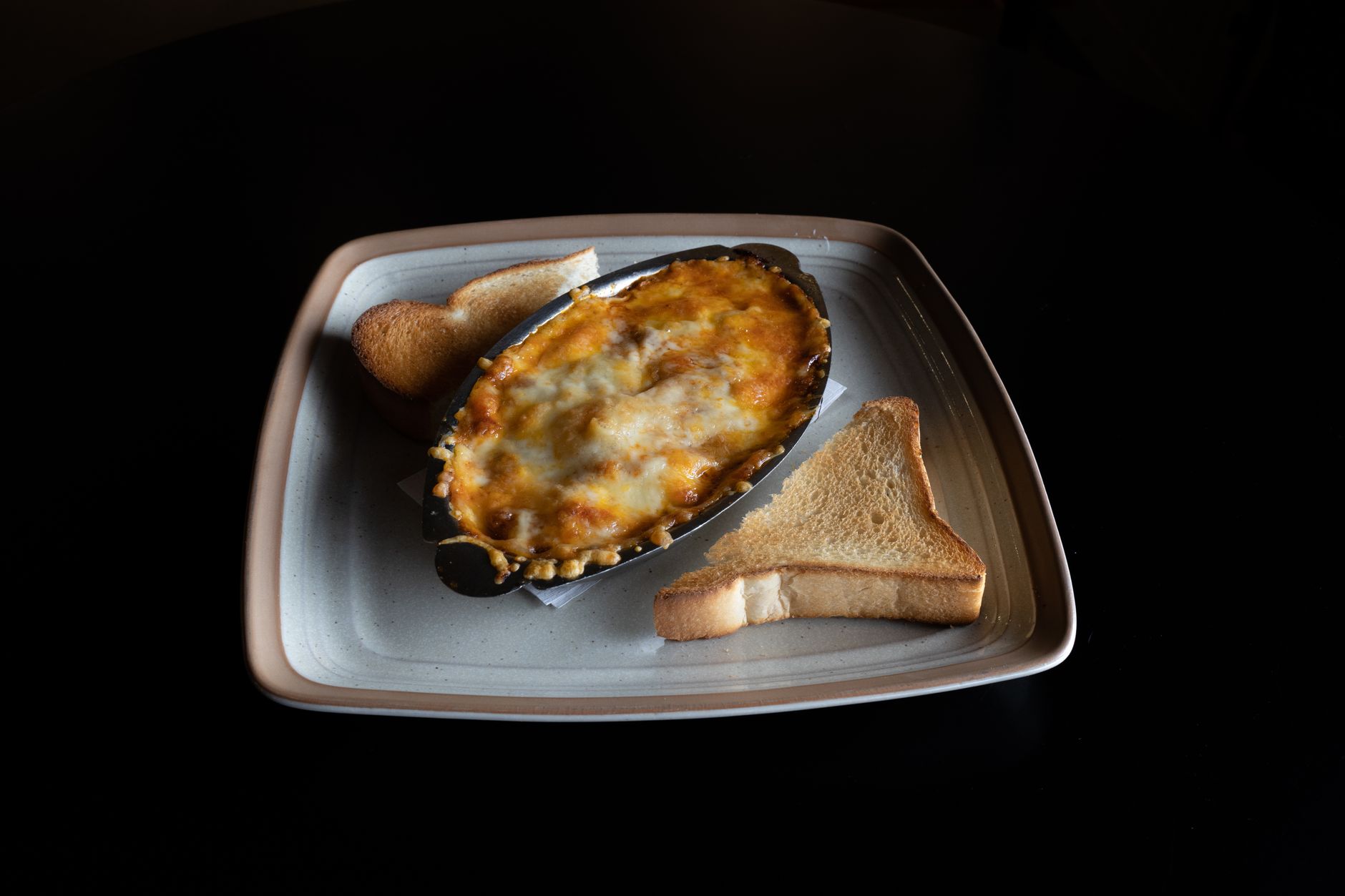
Lasagna is a beloved dish that combines layers of pasta, savory sauces, and rich cheese, making it a favorite for family gatherings or cozy dinners. However, ensuring it’s baked to perfection can be tricky if you don’t know the proper baking times and temperatures. Understanding how long it takes to bake lasagna is essential for achieving that ideal balance of textures and flavors.
This guide will provide you with details about baking lasagna, including recommended cooking times, temperatures, and some tips for different variations. Whether you’re preparing a classic meat lasagna or a vegetarian option, knowing how to bake it properly will elevate your dish.
How Long Does It Take to Bake a Lasagna?
It typically takes about 45 to 60 minutes to bake a lasagna at 375°F (190°C). The exact time varies based on factors such as the recipe, the oven, and whether the lasagna is fresh or frozen. Monitoring the lasagna while it cooks will ensure you achieve a golden top and bubbly edges.
Understanding Cooking Times
The baking time for lasagna can vary based on several factors. Below are some to consider:
- Oven Temperature: Most recipes recommend baking lasagna at 375°F (190°C) to 400°F (200°C).
- Type of Lasagna: Fresh lasagna may require less time than one that has been assembled and refrigerated overnight.
- Frozen Lasagna: If cooking from frozen, expect the baking time to increase significantly, often requiring 60 to 90 minutes.
- Pasta Type: Fresh pasta cooks quicker than dried, which may affect overall baking time.
Lasagna Preparation and Ingredients
Before discussing baking times, it’s essential to have a solid understanding of how to prepare your lasagna. Here’s a general overview.
Serving Size and Yield
A standard lasagna recipe typically yields about 8 servings, making it an excellent dish for family meals or gatherings.
Ingredients
- 12 lasagna noodles (dried or fresh)
- 2 cups ricotta cheese
- 1 large egg
- 3 cups mozzarella cheese, shredded
- 1 cup grated Parmesan cheese
- 4 cups marinara sauce
- 1 pound ground beef or Italian sausage (optional)
- Fresh herbs (such as basil or parsley) for garnish
- Salt and pepper to taste
Essential Equipment
To prepare and bake your lasagna, you will need the following equipment:
- A large pot for boiling noodles
- Colander for draining noodles
- 9×13-inch baking dish
- Large mixing bowl
- Aluminum foil
- Cooking spoon or spatula
Step-by-Step Method to Bake Lasagna
To bake lasagna correctly, follow this comprehensive method:
- Preheat the Oven: Set your oven to 375°F (190°C) to prepare for baking.
- Cook the Noodles: In a large pot, boil salted water and cook the lasagna noodles according to package instructions until al dente. Drain and lay them flat on a clean kitchen towel to cool.
- Prepare the Cheese Mixture: In a mixing bowl, combine ricotta cheese, egg, salt, and pepper. Mix until smooth and set aside.
- Cook the Meat (if using): In a skillet, brown the ground beef or sausage over medium heat until fully cooked. Drain excess fat and mix with 1 cup of marinara sauce.
- Start Layering: In the baking dish, spread a thin layer of marinara sauce on the bottom. Place three lasagna noodles on top, then spread half of the ricotta mixture over the noodles, followed by half of the meat mixture (if using) and a layer of mozzarella cheese. Repeat this layering process.
- Final Layer: After two layers, top with the last three noodles, the remaining marinara sauce, mozzarella cheese, and sprinkle with Parmesan.
- Cover and Bake: Loosely cover the baking dish with aluminum foil to prevent excessive browning. Bake in the preheated oven for 25-30 minutes.
- Uncover and Finish Baking: Remove the foil and bake for another 15-20 minutes, or until the cheese is bubbly and golden brown.
- Check Doneness: The lasagna should be cooked through, and the internal temperature should reach at least 165°F (74°C). Let it cool for about 10-15 minutes before slicing to serve.
Common Mistakes and Troubleshooting
Baking lasagna can present challenges. Here are some common mistakes and how to resolve them:
- Too Dry: If your lasagna turns out dry, ensure you use enough sauce. Using store-bought sauce can also help add moisture.
- Cheese Is Not Melting: If mozzarella doesn’t melt properly, check its moisture content; low-moisture mozzarella is ideal.
- Undercooked Noodles: If the noodles are still hard after baking, consider pre-cooking the noodles or covering completely with sauce to hydrate during baking.
- Lasagna Falling Apart: Letting it rest before cutting allows it to set, which prevents the layers from falling apart.
Make-Ahead and Storage Guidance
Lasagna is an excellent dish to prepare ahead of time. Here’s how to do it:
Make-Ahead Options
Assemble your lasagna, cover it tightly with plastic wrap, and refrigerate it for up to 24 hours before baking. When ready to bake, you may need to add 10-15 minutes to the cooking time if the lasagna is chilled.
Freezing Lasagna
If you want to freeze lasagna, prepare it but do not bake. Wrap it tightly in plastic wrap and then aluminum foil or use a freezer-safe container. It can be frozen for up to three months. When ready to cook, thaw it overnight in the refrigerator and bake it as directed, increasing the time as necessary.
Reheating Leftover Lasagna
To reheat leftover lasagna, you can either bake or microwave it:
- Oven Method: Preheat oven to 350°F (175°C) and place slices in an oven-safe dish covered with foil. Bake for 20-25 minutes or until heated through.
- Microwave Method: Place a slice on a microwave-safe plate, cover with a damp paper towel, and heat in 1-minute increments until warm.
Flavor Variations and Substitutions
Lasagna can be customized to suit different tastes or dietary needs. Consider these variations:
- Vegetarian Lasagna: Swap ground meat for layers of vegetables such as spinach, zucchini, or mushrooms.
- Gluten-Free Lasagna: Use gluten-free pasta alternatives or zucchini slices as a base.
- Cheese Variations: Experiment with different types of cheese, such as goat cheese, fontina, or vegan cheese for a unique flavor profile.
Serving Suggestions
Lasagna pairs beautifully with a variety of side dishes. Consider serving it with:
- A simple garden salad dressed with vinaigrette.
- Garlic bread or breadsticks.
- Steamed vegetables, such as broccoli or green beans.
Final Thoughts
Understanding how long it takes to bake lasagna is crucial for a successful dish. With careful attention to baking times and some basic techniques, you can create a melt-in-your-mouth lasagna that will impress your family and friends. Whether you are cooking a classic recipe or experimenting with variations, the cooking process is rewarding and enjoyable.
For further exploration, check out these guides on baking lasagna at different temperatures or a delicious million-dollar lasagna recipe for added inspiration.
For more delicious recipes and tips, explore our collections on baking lasagna at 400°F and making million-dollar lasagna.