
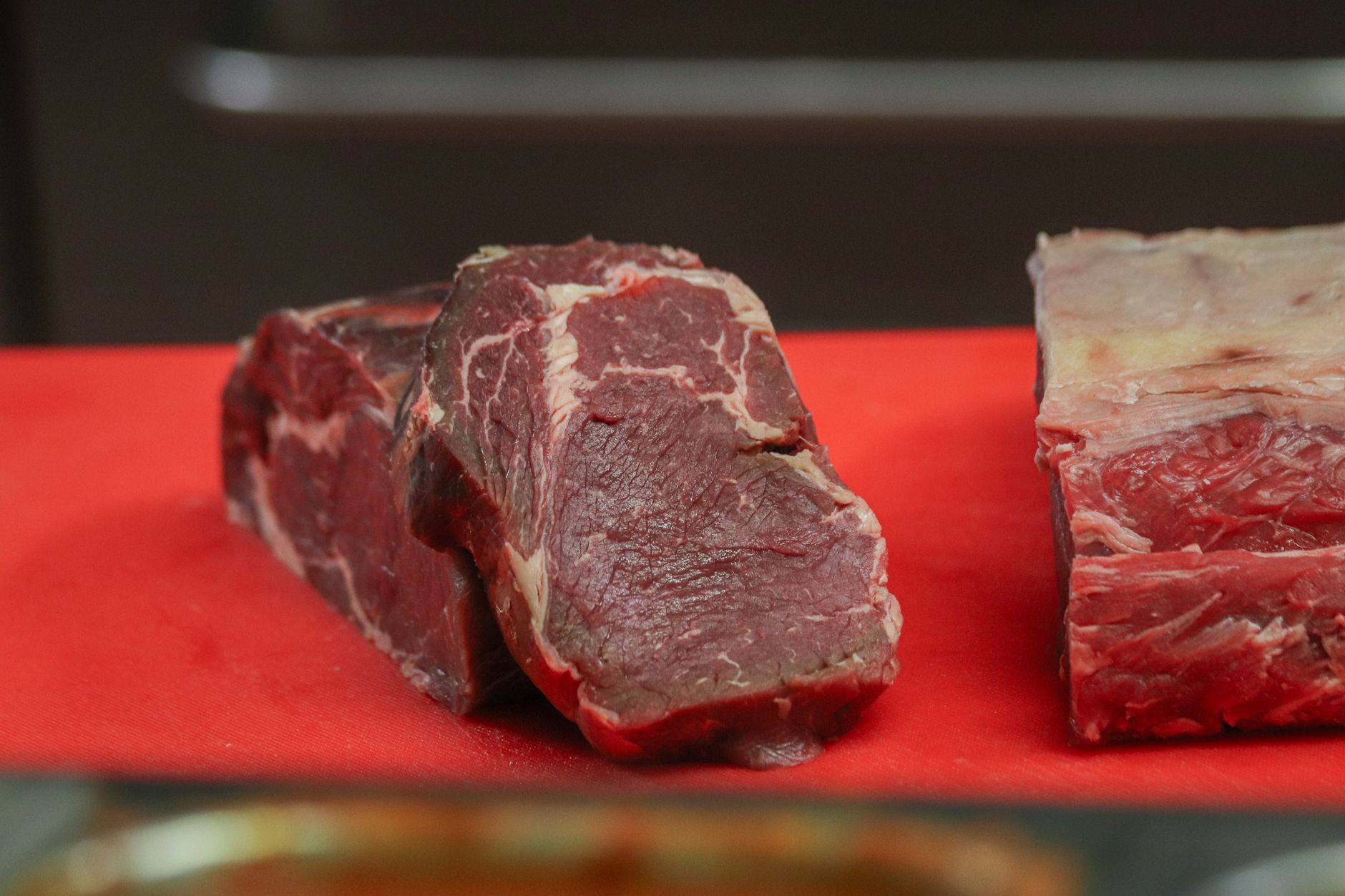
Thawing steak correctly is crucial for proper cooking and achieving optimal flavor and texture. The time it takes to defrost steak can vary based on several factors, including the method you choose. Understanding these methods will help you choose the best approach for your needs and ensure your steak is ready to cook.
This article will explore how long it takes for steak to thaw, the various thawing methods, and important safety tips to keep in mind while thawing meat. Whether you’re preparing for a weekday dinner or a weekend barbecue, knowing the right thawing technique is essential.
How Long Does It Take for Steak to Thaw?
The time it takes to thaw steak primarily depends on the method used. On average:
- In the refrigerator: 10 to 12 hours per pound.
- In cold water: 1 to 2 hours per pound.
- In the microwave: 5 to 10 minutes per pound.
Each method has its advantages and disadvantages, particularly regarding food safety and flavor preservation. Let’s dive deeper into each method.
Thawing Methods Explained
1. Refrigerator Thawing
The safest and most recommended method for thawing steak is to do it in the refrigerator. Here’s how it works:
- Place the frozen steak on a plate or in a shallow dish to catch any juices that may leak.
- Leave it in the refrigerator for about 10 to 12 hours per pound. For example, a 1-inch thick steak may take about 12 hours, while a thicker steak may take longer.
This method allows the steak to thaw gradually and safely, typically maintaining the best texture and flavor. It’s also the least likely to promote bacterial growth due to low and steady temperatures.
2. Cold Water Thawing
If you need your steak thawed faster, the cold water method is a great alternative. Follow these steps for effective thawing:
- Seal the steak in a leak-proof plastic bag to prevent water from penetrating.
- Submerge the bagged steak in a bowl of cold water. Change the water every 30 minutes to keep it cold.
- Allow approximately 1 to 2 hours for it to thaw, depending on the thickness and size. A standard 1-inch steak may take around an hour, while a thicker cut may take longer.
The cold water method is faster than refrigerator thawing but requires more attention to ensure the water remains cold.
3. Microwave Thawing
The microwave is the quickest method, perfect for last-minute dinner preparations. Keep the following points in mind:
- Remove the steak from packaging and place it in a microwave-safe dish.
- Use the defrost setting on your microwave, adjusting the time according to the weight of the steak. Typically, it takes 5 to 10 minutes per pound.
- Stop the microwave mid-way to turn the steak, ensuring even thawing and checking for any cooking signs, especially at the edges.
While this is the fastest method, it can begin to cook the steak in some spots, potentially leading to uneven cooking later.
Factors Influencing Thawing Time
Thawing times can fluctuate based on several factors, including:
- Thickness of the Cut: Thicker cuts will naturally take longer to thaw.
- Type of Steak: Certain steaks, like ribeye or T-bone, may have varying thickness in different areas, affecting thawing time.
- Temperature of the Environment: Thawing steaks in a warmer room will speed up the process compared to a cooler environment.
- Presence of Ice Crystals: If you have a steak with substantial ice crystals, it may take longer to thaw fully.
Food Safety Considerations
When thawing steak, food safety is paramount. Here are key guidelines to observe:
- Always thaw steak in the refrigerator, cold water, or microwave. Avoid leaving steak at room temperature, as this promotes bacterial growth.
- If using the cold water method, ensure the water is cold and change it regularly.
- Cook the steak immediately after microwaving it to prevent any bacteria from developing.
- Never refreeze thawed steak unless it has been cooked first. Refreezing can degrade the texture and flavor significantly.
Common Mistakes to Avoid
Thawing steak seems simple, but there are common pitfalls. Here are mistakes to watch out for:
- Thawing at Room Temperature: Placing steak on the counter can lead to unintentional thawing at unsafe temperatures.
- Using Hot Water: Some may think using hot water speeds up thawing. However, this can lead to part of the steak reaching a temperature conducive to bacterial growth.
- Not Planning Ahead: In a rush, many forget to plan the thawing process. Always factor in enough time according to your chosen method.
Serving and Cooking Thawed Steak
Once the steak is thoroughly thawed, it’s ready for cooking. Below are some general tips to ensure a great end result:
- Bring to Room Temperature: Let the thawed steak sit at room temperature for about 30 minutes before cooking for even results.
- Season Well: Use salt and pepper or your choice of marinade to enhance flavor.
- Use a Meat Thermometer: To guarantee proper doneness, a meat thermometer can help ensure a perfect cook.
Thawing Alternatives and Variations
If you are looking for alternatives to steak, keep in mind that thawing methods can apply similarly to various other meats. Here’s how they translate:
- Pork Chops: Like steak, they follow similar thawing times if using fridge or water methods.
- Chicken Breasts: These may take about the same time but often require careful handling due to higher risks of contamination.
- Ground Meat: Ground beef or turkey often thaws faster due to its smaller size; adjust times accordingly.
Storing Steak Safely
Understanding how to store steak correctly can extend its shelf life. Here are some tips:
- Wrap steak tightly in plastic wrap or aluminum foil to prevent freezer burn.
- Label packages with the date and type for easy identification.
- Store steak in the freezer for up to six months, while vacuum-sealed steak can last longer.
Conclusion and Next Steps
Knowing how long it takes for steak to thaw and the ideal methods for doing so ensures that your cooking experience is as efficient and flavorful as possible. Always prioritize food safety during the thawing process to achieve the best results for your meal.
Now that you’re equipped with thawing knowledge, consider exploring related topics like quick meat thawing methods or try learning about flat iron steak to enhance your culinary expertise.
For more tips, check out how to thaw meat fast or find out what is a flat iron steak.