
Pork is a versatile protein enjoyed worldwide, with many cuts and cooking methods. Knowing the proper cooking temperature is crucial for ensuring tenderness, flavor, and, most importantly, food safety. This article will provide clear guidelines on what temperature to cook pork to achieve delicious results.
This guide covers various pork cuts, their ideal cooking temperatures, and additional information on cooking times, doneness checks, and safety tips. Whether grilling, roasting, or braising, you’ll find the right temperature information to make your pork dishes delightful and safe.
What Temp to Cook Pork To?
The USDA recommends cooking pork to an internal temperature of 145°F (63°C) with a three-minute rest time for optimal flavor and safety. Ground pork should be cooked to 160°F (71°C) to ensure any potential bacteria are eliminated.
The Importance of Cooking Pork to the Right Temperature
Cooking pork to the right temperature not only enhances its flavor and texture but also prevents foodborne illnesses. Undercooked pork can be a source of various harmful pathogens, including Trichinella spiralis, which can lead to serious health issues.
Overcooking pork, on the other hand, can lead to a dry, unpalatable meal. Therefore, it’s essential to use a meat thermometer for accuracy and to understand the appropriate cooking temperatures for different pork cuts.
Pork Cuts and Their Ideal Cooking Temperatures
Pork is available in a variety of cuts, each requiring specific attention to detail when it comes to cooking. Below is a breakdown of popular pork cuts along with their ideal cooking temperatures.
1. Pork Chops
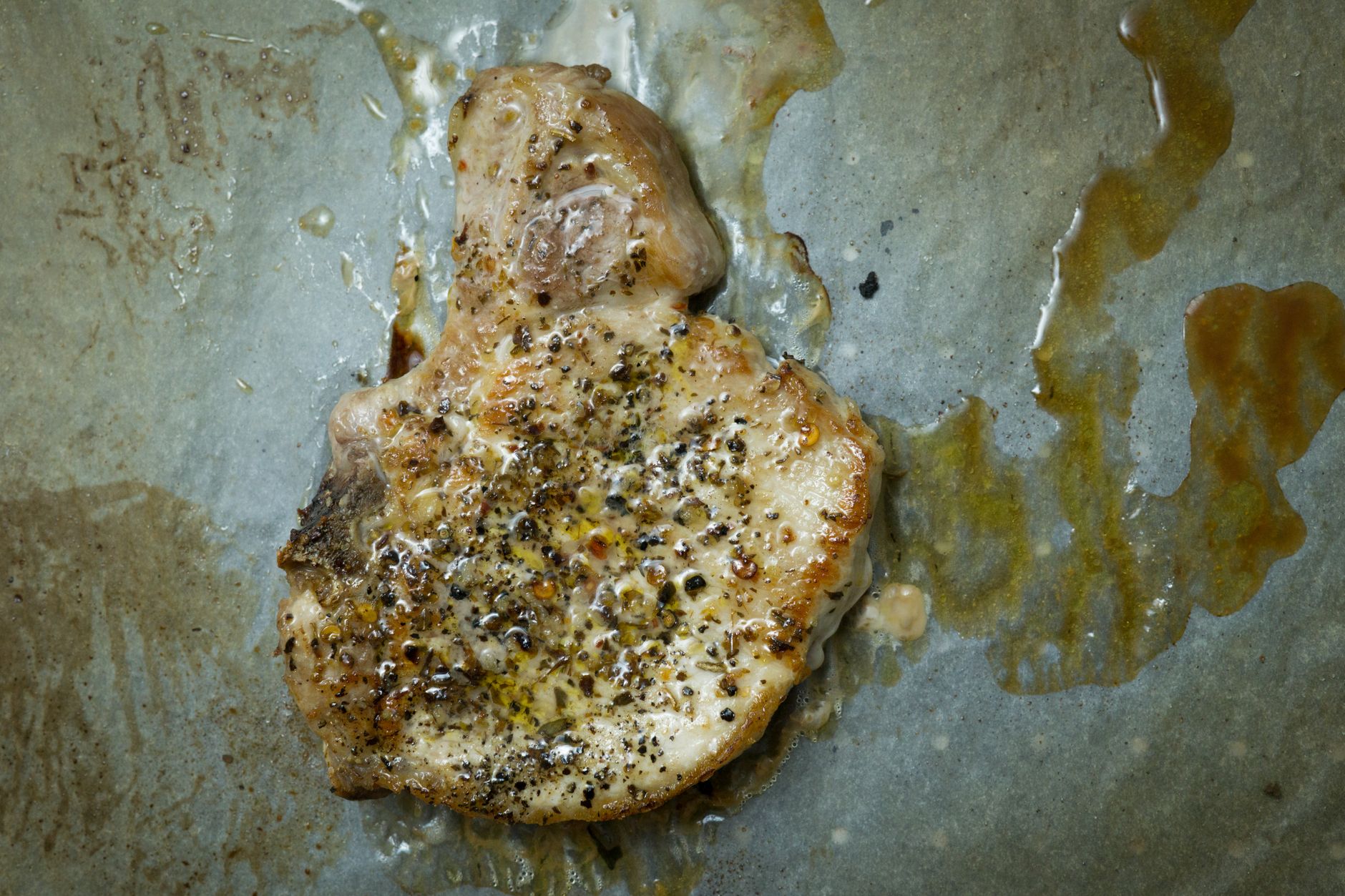
Pork chops can be juicy and flavorful when cooked properly. The ideal internal temperature for pork chops is 145°F (63°C) followed by a three-minute rest period. Cooking time varies depending on thickness:
- 1-inch thick: 4 to 5 minutes per side on medium-high heat
- 1.5-inch thick: 6 to 7 minutes per side on medium-high heat
2. Pork Tenderloin
Pork tenderloin is known for its tenderness and balanced flavor. Cook pork tenderloin to an internal temperature of 145°F (63°C). Here’s a quick guide for cooking times:
- Roasting in the oven: 20 to 25 minutes at 400°F (204°C)
- Grilling: About 15 to 20 minutes over medium heat
3. Pork Shoulder (Boston Butt)
Pork shoulder is best when slow-cooked for a tender, flavorful result. The ideal internal temperature for pulled pork is 195°F to 205°F (90°C to 96°C) to break down connective tissue. Consider these timings:
- Slow cooker: 8 to 10 hours on low
- Oven: 6 to 8 hours at 225°F (107°C)
4. Pork Ribs
Pork ribs, whether baby back or spare ribs, benefit from slow cooking to maximize tenderness. Aim for an internal temperature of 190°F to 203°F (88°C to 95°C) for the best texture.
- Grilling or smoking: 4 to 6 hours at 225°F (107°C)
- Oven: 2.5 to 3 hours at 300°F (149°C)
5. Ground Pork
Ground pork must be cooked to a minimum internal temperature of 160°F (71°C) to ensure safety. The cooking times for ground pork dishes like burgers or meatballs will vary:
- Skillet: 7 to 10 minutes, depending on thickness
- Oven baking: 20 to 25 minutes at 350°F (177°C)
Checking Doneness: The Importance of a Meat Thermometer
Using a meat thermometer is the most reliable method to check the doneness of pork. Here’s how to do it correctly:
- Insert the thermometer into the thickest part of the meat, avoiding any bones.
- Wait a few seconds for the reading to stabilize.
- Make sure the thermometer has reached the recommended temperature for the specific cut.
For even more precision, take readings from multiple spots, especially in larger cuts like roasts or shoulder.
Common Mistakes When Cooking Pork
Understanding common pitfalls can save your dish from becoming a disaster. Here are frequent mistakes to avoid:
- Not using a thermometer: Relying solely on time can lead to inconsistent results.
- Over marinating: Acids in marinades can cause pork to become mushy if left too long.
- Skipping the rest period: Letting pork rest allows juices to redistribute, enhancing flavor and texture.
Cooking Tips for Perfect Pork
Here are some tips for ensuring your pork turns out perfectly every time:
- Season generously: Do not skimp on salt and spices. This enhances the natural flavors.
- Use indirect heat: For thicker cuts or when grilling, use indirect heat to avoid burning.
- Experiment with flavors: Use spices, herbs, and marinades to add depth and variety to your pork dishes.
Storage and Reheating Pork
Proper storage and reheating are essential to keeping leftover pork safe and flavorful. Here are some guidelines:
Storage Tips
- Cool leftovers to room temperature before refrigerating.
- Store pork in an airtight container for up to 3 to 4 days in the refrigerator.
- For longer storage, freeze pork within 2 hours of cooking to preserve quality for 3 to 4 months.
Reheating Guidelines
- Reheat pork in the oven at 325°F (163°C) until warmed through, ideally reaching 165°F (74°C).
- Microwave on medium power, checking frequently to prevent overcooking.
Pork Cooking Methods and Their Effects on Flavor and Texture
Various cooking methods can yield different textures and flavors. Here’s a brief look at those methods:
1. Roasting
Roasting pork in the oven produces a crispy exterior and succulent interior. This method suits larger cuts like tenderloin and shoulder, best at moderate temperatures.
2. Grilling
Grilling imparts a smoky flavor and appealing char. Ideal for chops and ribs, it’s best to use a two-zone fire for the best results.
3. Braising
This slow-cooking method involves simmering pork in liquid, which enhances tenderness and depth of flavor. It’s perfect for tougher cuts like shoulder or belly.
Common Pork Recipes to Try
Now that you have a solid understanding of cooking temperatures and methods, consider trying these popular pork recipes:
- Baked Pork Chops – Juicy and tender with a savory rub.
- How Long to Bake Boneless Pork Chops – Timing guidelines for perfect baked boneless chops.
Conclusion
Cooking pork to the correct temperature is essential for safety and flavor. Remember to use a meat thermometer to check internal temperatures, and don’t forget to allow the meat to rest for optimal results. With these guidelines and tips, you can confidently prepare delicious pork dishes at home.
Explore related recipes, cooking tips, or food guides to further enhance your culinary skills and meal planning.