
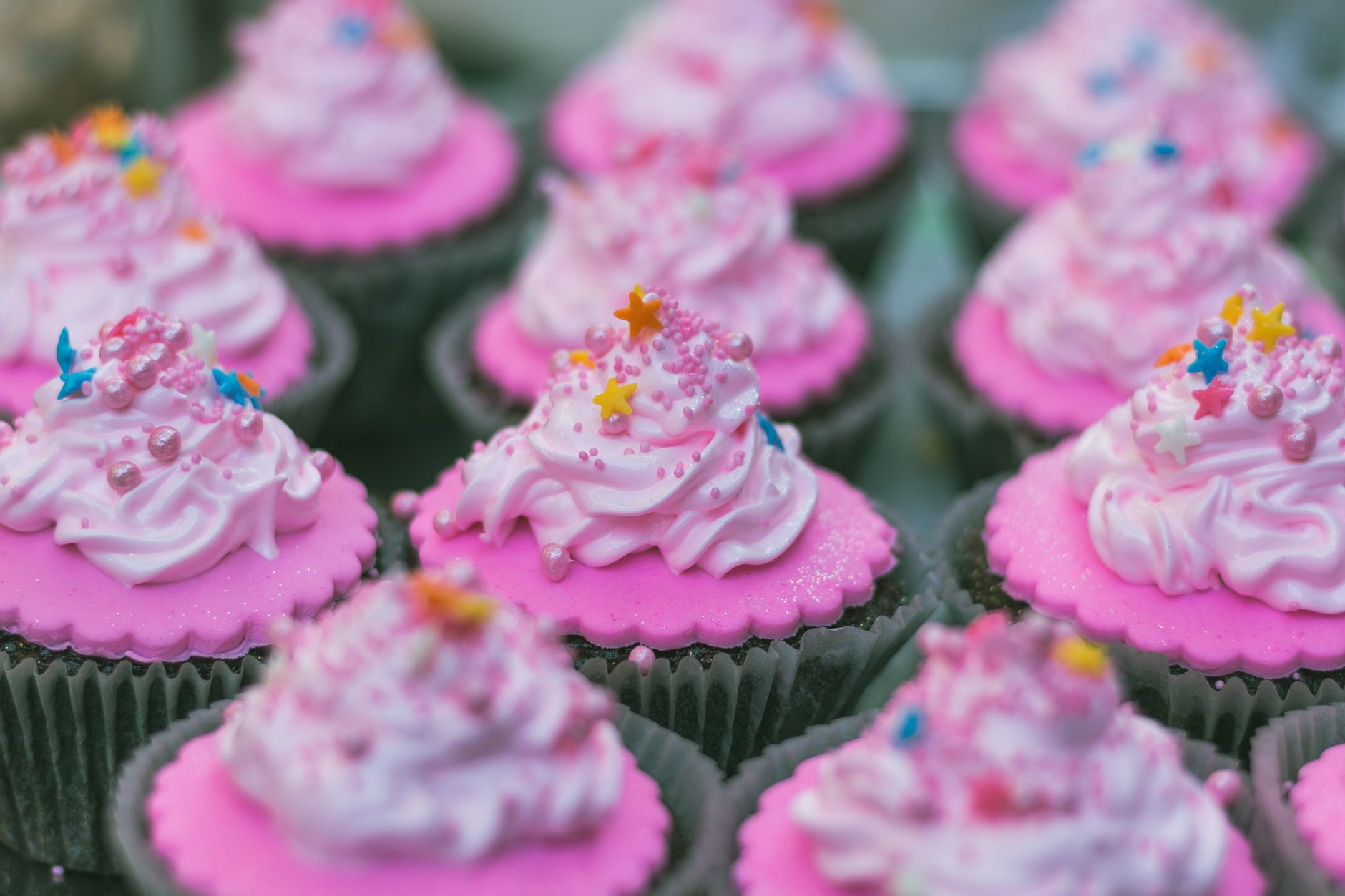
Baking cupcakes is a delightful experience, leading to treats that are soft, fluffy, and enticingly sweet. However, knowing how long it takes for cupcakes to cool is crucial to achieving the best flavor and texture before icing or serving them. Proper cooling not only ensures the cupcakes hold their shape but also enhances their overall taste.
This article will provide comprehensive information on the cooling process for cupcakes, helping you understand the ideal cooling timings, methods to cool them effectively, and how various factors can influence cooling time. Whether you’re a beginner baker or a seasoned pro, this guide is tailored for you.
How Long Does It Take for Cupcakes to Cool?
Typically, cupcakes take about 15 to 30 minutes to cool completely at room temperature after removing them from the oven. The precise cooling time can vary based on several factors, including the size of the cupcakes, the ingredients used, and the cooling environment.
The Cooling Process Explained
Understanding the cooling process can significantly affect the outcome of your cupcakes. Here’s a detailed look into why cooling times matter:
- Texture Improvement: Proper cooling allows the cupcakes to set their structure, resulting in a better crumb texture.
- Flavor Enhancement: As cupcakes cool, flavors mature, with the sweetness mellowing and allowing other flavors to shine through.
- Frosting Application: Cooling is essential to prevent melting the frosting. Icing warm cupcakes can lead to a soggy mess.
Factors Affecting Cooling Times
Various factors can influence how long it takes for cupcakes to cool. Here are the main elements to consider:
1. Cupcake Size
The size of your cupcakes will significantly impact cooling time. Standard-sized cupcakes typically take 15 to 20 minutes to cool, while mini-sized cupcakes may cool in as little as 10 to 15 minutes. Conversely, larger cupcakes, such as those baked in muffin tins, may require up to 30 minutes or more.
2. Oven Type
The type of oven also plays a role. Convection ovens, for example, can cool baked goods faster due to better air circulation. Traditional ovens may take a bit longer for the heat to dissipate.
3. Ingredients
Different ingredients contribute to varying moisture levels in cupcakes, which can impact cooling times. Cupcakes made with high-fat content or moist ingredients like applesauce or yogurt may retain heat longer than lighter recipes.
4. Ambient Temperature
The temperature of the surrounding environment can influence cooling times. In a warm kitchen, cupcakes may take longer to cool, while a cooler, well-ventilated area can speed up the process.
Best Practices for Cooling Cupcakes
To ensure your cupcakes cool efficiently, consider these best practices:
1. Use the Right Cooling Rack
A wire cooling rack is ideal for cooling cupcakes. It allows for proper airflow on all sides, promoting even cooling and preventing sogginess.
2. Remove from the Pan Promptly
Let your cupcakes cool in the pan for about 5-10 minutes before transferring them to a cooling rack. Leaving them in the pan for too long can cause them to become overly moist.
3. Avoid Fan Use
While it may seem tempting to speed up the cooling process with a fan, this can lead to uneven cooling and potential drying out of the cupcakes. Allow them to cool in still air.
4. Maintain a Comfortable Room Temperature
A room temperature of around 70°F (21°C) is ideal for cooling cupcakes. If your kitchen is too warm, consider relocating the cooling rack to a cooler area.
How to Check if Cupcakes Are Cool Enough to Frost
When it comes to frosting your cupcakes, it’s crucial to ensure they have cooled adequately. Here are some tips to check if they’re ready:
- Touch Test: Gently press the top of a cupcake. If it feels firm and springs back, it’s cool enough.
- Temperature Check: Use a digital thermometer to ensure the internal temperature is below 75°F (24°C). This indicates they have cooled enough for frosting.
- Visual Inspection: Look for a matte surface on the tops of the cupcakes, indicating that the moisture has evaporated, ensuring they’re ready for icing.
Common Mistakes When Cooling Cupcakes
Even seasoned bakers can make mistakes in the cooling process. Here’s a list of common pitfalls to avoid:
1. Underestimating Cooling Time
Trying to frost cupcakes that are still warm can ruin your frosting and lead to a soggy texture. Always ensure they are properly cooled.
2. Leaving in the Pan Too Long
Allowing cupcakes to sit in the pan for too long can affect their final texture. Aim for a timely transfer to a cooling rack.
3. Overcrowding on the Cooling Rack
Placing too many cupcakes on a basic cooling rack can hinder airflow, slowing down cooling. Spread out cupcakes for even cooling.
4. Frosting Too Early
Frosting cupcakes while they are still warm can lead to melted icing. Patience is key to achieving a beautiful frosting layer.
Cooling Cupcakes in Different Conditions
While standard cooling practices apply in most situations, consider these variations for cooling cupcakes based on different conditions:
1. High Humidity
In humid conditions, take extra care to cool your cupcakes to prevent them from becoming soggy. Ensure they are completely cooled before frosting, and consider using a light powdered sugar dusting to combat moisture.
2. Cold Weather
In colder temperatures, cupcakes can cool more quickly. However, be cautious as drafts can dry them out. Monitor your cupcakes closely to ensure they don’t lose moisture.
3. Altitude Considerations
Bakers at high altitudes may find their cupcakes take longer to cool. Ensure you allow for extra time, as atmospheric pressure can affect baking and cooling times.
Storing Cupcakes After Cooling
Once your cupcakes are cool, proper storage is vital for maintaining their freshness.
1. Room Temperature Storage
Store cooled, unfrosted cupcakes at room temperature in an airtight container for up to two days. Avoid refrigerating them, as this can dry them out.
2. Freezing Cupcakes
If you want to store cupcakes longer, consider freezing them. Wrap each cooled cupcake in plastic wrap and place them in a freezer-safe container. They can last in the freezer for up to three months.
Final Tips for Cooling and Storing Cupcakes
Here are some final practical tips for your cupcake cooling and storage process:
- Let cupcakes cool completely before applying any frosting to prevent it from melting.
- Consider flavor variations and frosting choices, as some may require more cooling time than others.
- Don’t stack warm cupcakes on top of each other, which can lead to squished tops and uneven cooling.
With the right approach to cooling, you can ensure that your cupcakes are ready for decoration and enjoyable eating. Whether it’s a special occasion or just a sweet treat for yourself, mastering the cooling process will elevate your baking skills.
For those interested in expanding their baking repertoire, check out our guides on freezing cupcakes and a gluten-free cupcake recipe that does not compromise on flavor!