
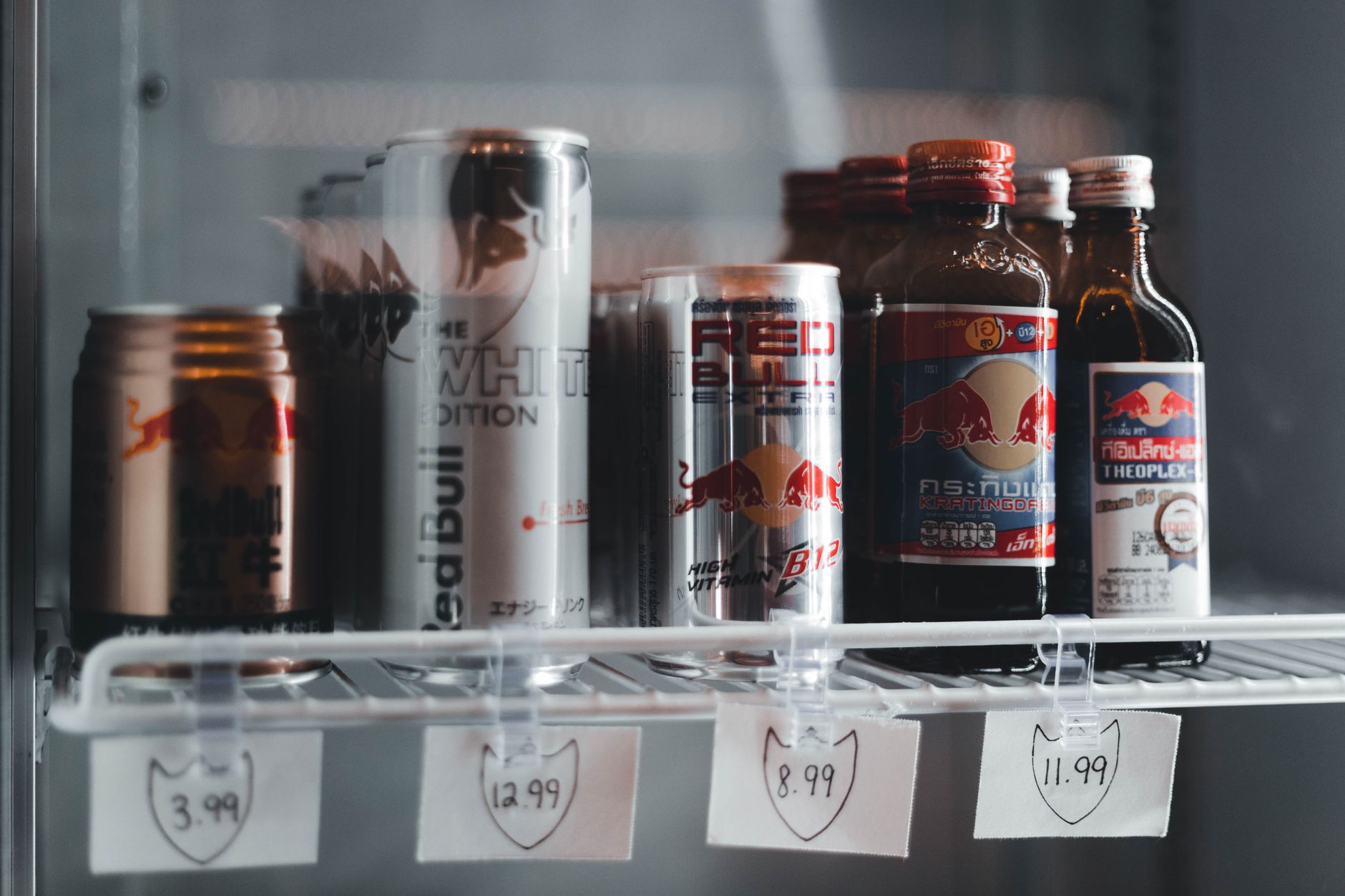
Choosing the right energy drink is essential for maintaining your body’s energy levels without compromising your health. With the market saturated with countless options, it can be overwhelming to determine which energy drink is the best for your individual needs. Understanding the ingredients, the effects they have on your body, and the variety of choices available can significantly enhance your vitality.
This article will explain what to look for in energy drinks, their key ingredients, and some popular options to consider. We will also provide tips for choosing the right drink for your lifestyle and overall health.
What Is the Best Energy Drink for Your Body?
The best energy drink for your body depends on your activity level, health goals, and personal preferences. A suitable choice should provide a balance of hydration, natural ingredients, and essential nutrients that enhance energy without adverse side effects. Avoid drinks high in sugar or artificial additives.
Understanding Ingredients
Before diving into specific energy drink options, it’s essential to understand the common ingredients found in these beverages. Knowing what each component does will help you make better choices.
Caffeine
Caffeine is the most common stimulant in energy drinks. It can improve focus and alertness by blocking the adenosine receptors in the brain, reducing the perception of fatigue.
- Pros: Boosts energy, improves mental performance, and enhances physical performance.
- Cons: Can cause jitters, headaches, and sleep disturbances if consumed excessively.
Vitamins and Minerals
Many energy drinks are fortified with B vitamins and electrolytes. B vitamins play a crucial role in energy metabolism, while electrolytes help maintain hydration levels.
- B Vitamins: Support energy production and cognitive function.
- Electrolytes: Vital for maintaining fluid balance and preventing dehydration, especially during physical activity.
Natural Extracts
Some energy drinks contain natural extracts such as guarana, taurine, or ginseng, which may boost energy levels.
- Guarana: A plant source of caffeine, it can enhance energy and mental clarity.
- Taurine: An amino acid that may support athletic performance and recovery.
- Ginseng: An adaptogen that may help reduce fatigue and improve endurance.
Sweeteners
Energy drinks can contain either natural sweeteners, like honey or stevia, or artificial ones like aspartame and sucralose. Choosing drinks with natural sweeteners is often better for your overall health.
- Naturally-Sweetened: Usually lower in calories and sugar, they can deliver sweetness without a sugar crash.
- Artificial Sweeteners: Some may cause digestive issues or have been linked to other health concerns when consumed in large quantities.
Top Energy Drink Options
Now that you have an understanding of ingredients, let’s explore some popular energy drinks that align with health-conscious choices. Each has its own benefits and is suitable for different situations.
1. Organic Energy Drinks
For those looking for natural options, organic energy drinks often provide a blend of energizing ingredients without artificial additives. Look for brands that include green tea extract or coffee extract for natural caffeine levels.
- Example: RUNA – Made from the guayusa leaf, it contains natural caffeine and antioxidants.
- Example: CELSIUS – Contains natural flavors, vitamins, and no artificial preservatives.
2. Sports and Electrolyte Drinks
If you’re active, a sports drink can provide energy and hydration while replenishing electrolytes lost during exercise.
- Example: Gatorade Endurance – Contains higher levels of sodium and potassium designed for endurance athletes.
- Example: Nuun Hydration Tablets – Electrolyte tablets that dissolve in water, ideal for on-the-go hydration.
3. Low-Calorie Energy Drinks
For those mindful of calorie intake, low-calorie options offer energy without added sugars.
- Example: Monster Zero Ultra – A sugar-free energy drink that offers a potent caffeine dose.
- Example: Bang Energy – Contains zero calories, sugar, and is packed with BCAAs and CoQ10.
4. Natural Herbal Energy Drinks
Herbal energy drinks typically harness the power of plants to boost energy and are often caffeine-free.
- Example: Yogi Tea – Offers various blends with adaptogenic herbs that can enhance energy and focus.
- Example: Celestial Seasonings – Their herbal teas can provide a gentle lift without caffeine.
5. Protein-Based Energy Drinks
If you’re looking for more than just energy, consider protein energy drinks that can support recovery post-workout.
- Example: Orgain Organic Protein – A plant-based protein drink that also helps sustain energy levels.
- Example: Premier Protein – High in protein with minimal sugar aimed at muscle recovery and energy replenishment.
Choosing the Right Energy Drink for Your Needs
With so many options available, selecting the right energy drink can seem daunting. Here are some practical tips to consider:
Assess Your Activity Level
If you’re engaging in intense physical activity, consider drinks that contain electrolytes and higher levels of caffeine. For moderate activity or study sessions, something lower in sugar and caffeine may suffice.
Watch Your Caffeine Intake
Be mindful of how much caffeine you consume daily, as excessive intake can lead to side effects such as anxiety, insomnia, and heart palpitations. The general recommendation is to keep caffeine consumption below 400 mg per day.
Flavor and Texture Preferences
Some people prefer carbonated energy drinks, while others like smooth, juice-based beverages. Consider trying different formats to find what you enjoy most.
Read Labels
Common Mistakes to Avoid
When selecting an energy drink, it’s easy to make mistakes that could affect your health. Here are some pitfalls to avoid:
Overconsumption
Drinking multiple energy drinks in one day can lead to excessive caffeine levels and potential negative health effects. Stick to one serving as a guideline.
Ignoring Sugar Content
Choosing Based on Marketing Alone
Don’t be swayed solely by advertising or flashy packaging. Always rely on ingredient quality and nutrient benefits when making your decision.
Making Your Own Energy Drink
If you prefer complete control over your ingredients, consider making your own energy drink at home. This way, you can tailor the drink to your specific health needs.
Recipe for a Homemade Energy Drink
This quick recipe is refreshing, hydrating, and provides a natural energy boost.
Ingredients
- 2 cups of coconut water
- 1 cup of green tea (brewed and cooled)
- 1 tablespoon of honey or maple syrup (optional)
- Juice from 1 lemon
- A pinch of sea salt (for electrolytes)
Instructions
- Brew green tea and let it cool.
- In a pitcher, combine coconut water, cooled green tea, honey, lemon juice, and sea salt.
- Mix well until the honey is dissolved, and taste for sweetness.
- Pour into a glass and enjoy! Refrigerate any leftovers for up to 3 days.
Storing and Reheating Energy Drinks
Most commercially bottled energy drinks come with a recommended shelf life. Opened energy drinks should be consumed within a few days for freshness. If you prepare a homemade drink, store it in an airtight container in the refrigerator.
For best quality, avoid freezing energy drinks as this can affect texture and flavor profile.
Final Thoughts
When it comes to energy drinks, the optimal choice will depend on your body’s needs, your activity level, and your flavor preferences. Always opt for natural ingredients and pay attention to nutrition labels to avoid unnecessary sugars and additives. If store-bought options don’t suit you, crafting your own energy drink can be both wholesome and personalized.
For more delicious ideas, check out our recipes for Protein Brownies and Protein Coffee to fuel your day!