
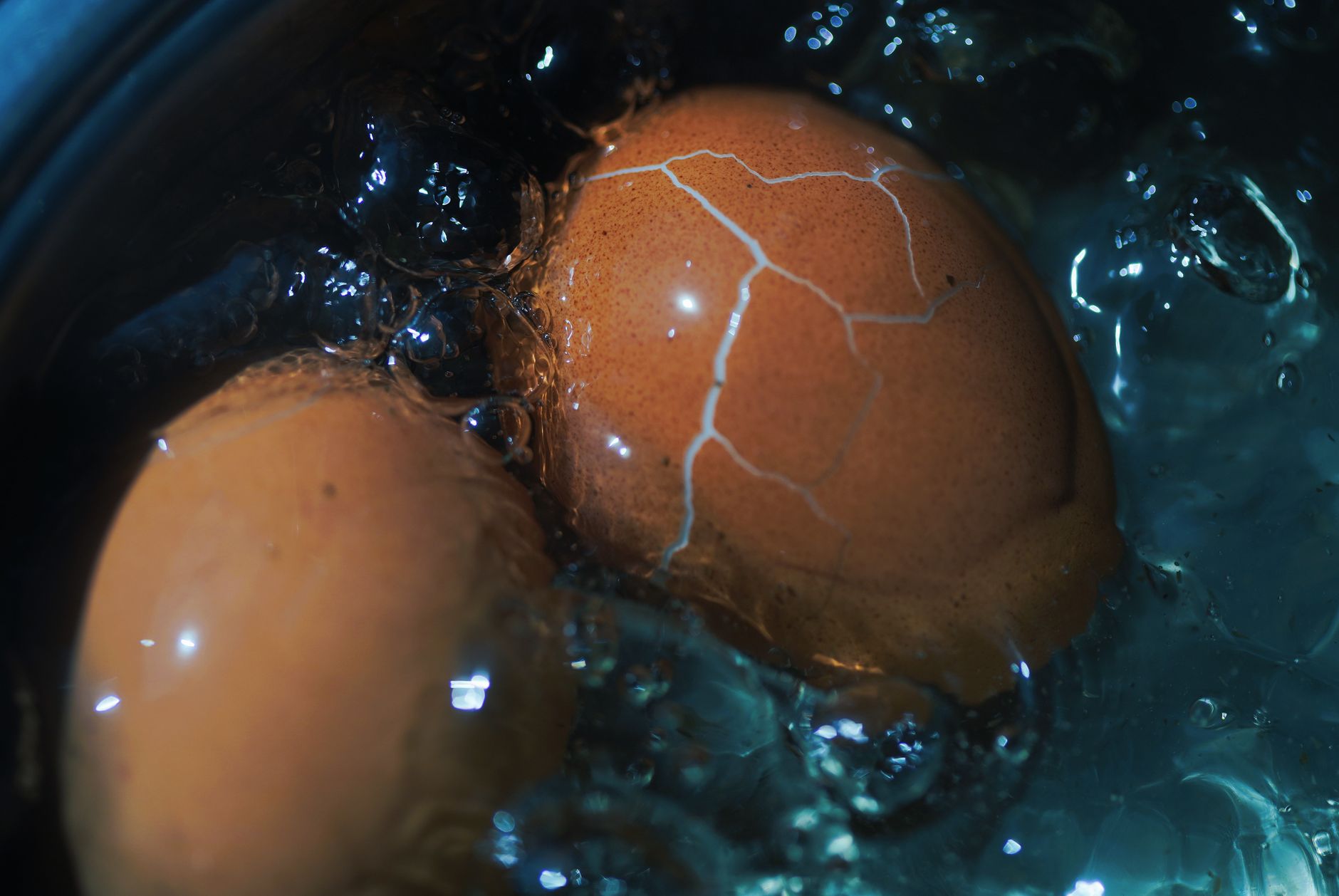
Hard boiled eggs are a convenient and nutritious snack, perfect for meal prep and quick breakfasts. However, many people wonder about their shelf life once they have been cooked. Understanding how long hard boiled eggs last in the refrigerator can save you from potential food waste and ensure you enjoy them at their best.
In this guide, we’ll break down storage tips, how to tell if your hard boiled eggs are still good, and the best ways to keep them fresh. Whether you’re an avid meal prepper or someone who just enjoys a quick protein fix, this information is essential for a safe and delicious experience.
How Long Does Hard Boiled Eggs Last in the Fridge?
Hard boiled eggs can last for up to one week in the refrigerator if stored correctly. To maximize their shelf life, they should be kept in their shells until you are ready to use them. Keeping the shells intact protects the eggs from bacteria and helps prevent them from absorbing odors from other foods.
Factors Affecting Shelf Life
While generally hard boiled eggs can last a week, several factors can influence their longevity and quality. Here are the most important considerations:
- Storage Conditions: Eggs should be stored in a refrigerator at a consistent temperature below 40°F (4°C). Fluctuating temperatures can reduce their shelf life.
- Original Egg Freshness: The freshness of the eggs before boiling plays a significant role. Older eggs may not last as long as fresher ones.
- Shell Integrity: If the shell is cracked or damaged, the egg will spoil more quickly as bacteria can enter the egg more easily.
- Storage Method: Storing eggs in their shells and in a covered container can help maintain freshness longer than when they are peeled or unprotected.
How to Store Hard Boiled Eggs
Proper storage is key to extending the life of your hard boiled eggs. Here’s a step-by-step process on how to do it effectively:
- Cool Quickly: After boiling the eggs, cool them down quickly in an ice bath or under cold running water. This not only stops the cooking process but also helps to tighten the egg whites, making them easier to peel later.
- Keep Shells On: It’s best to leave the shells on until you’re ready to eat the eggs. The shells help protect the eggs from contamination and odors in the refrigerator.
- Use an Airtight Container: If you plan to peel the eggs, store them in an airtight container with a damp paper towel. This keeps them moist and prevents them from drying out.
- Labeling: Consider labeling the container with the date of boiling. This helps you keep track of freshness and reduces the risk of consuming eggs that are too old.
Signs Your Hard Boiled Eggs Have Gone Bad
Even when stored properly, hard boiled eggs can eventually go bad. Here are some signs to look out for:
- Smell: A sulfer or off odor is a clear indication that the eggs have spoiled. If you detect such a smell when you peel the egg, discard it immediately.
- Texture: If the egg white or yolk feels unusually slimy or sticky after peeling, it’s a sign of spoilage.
- Appearance: Any discoloration or dark spots in or on the egg may indicate that it is no longer safe to eat.
What to Do with Leftover Hard Boiled Eggs
If you find yourself with leftover hard boiled eggs, here are some delicious and practical ways to use them:
- Chopped Salads: Add chopped hard boiled eggs to salads for a protein boost. They work well in green salads, pasta salads, and grain salads.
- Deviled Eggs: A classic favorite, deviled eggs are easy to make and can be customized with various seasonings and toppings.
- Egg Salad: Mix chopped hard boiled eggs with mayonnaise and seasoning to create a delicious egg salad that can be served on toast or in sandwiches.
- Breakfast Bowls: Incorporate chopped hard boiled eggs into breakfast bowls with grains, vegetables, or avocado for a filling meal.
Can You Freeze Hard Boiled Eggs?
Freezing hard boiled eggs is generally not recommended. When frozen, the texture of the egg whites can become rubbery and unpleasant after thawing. However, if you find yourself with a surplus of hard boiled eggs and still wish to freezer them, here’s how:
- Separate Yolks and Whites: For freezing, it is better to separate the yolks and whites.
- Wrap and Seal: Wrap the yolks in plastic wrap or store them in a freezer-safe container. Egg whites can be frozen in ice cube trays.
- Label: Be sure to label your container with the date of freezing.
When you are ready to use frozen egg yolks, they can be thawed in the refrigerator overnight. Use them in recipes like custards or baking where texture is less of a concern.
Common Questions About Hard Boiled Eggs
Can you eat hard boiled eggs after the expiration date?
Hard boiled eggs should ideally be consumed within one week of cooking, regardless of the egg’s sell-by date. If you notice any signs of spoilage, it’s safest to discard them.
How long do peeled hard boiled eggs last?
Peeled hard boiled eggs typically last about five days in the refrigerator when stored in an airtight container. Always check for signs of spoilage before consuming.
Other Tips for Hard Boiled Egg Storage
To enhance your experience with hard boiled eggs, here are some more tips:
- Use a Container with Lid: If you store peeled eggs, look for a container with a lid that can keep them moist.
- Keep Cool: Always store hard boiled eggs in the main body of the refrigerator rather than the door, as it tends to be warmer.
- Don’t Forget About Them: Make a habit of checking your refrigerator weekly to ensure you use the eggs before they spoil.
Conclusion
Hard boiled eggs are not only a versatile ingredient but also highly nutritious. With proper storage, they can last for about a week in the refrigerator, making them a great option for meal prep. Monitor their condition for any signs of spoilage, and you will enjoy their benefits fully.
Now that you know how long hard boiled eggs last in the fridge and how to store them effectively, try incorporating them into your meals this week. You might also want to explore related resources, such as how long you can keep eggs in the refrigerator or details about egg expiration dates, to further enhance your knowledge about egg storage and usage.