
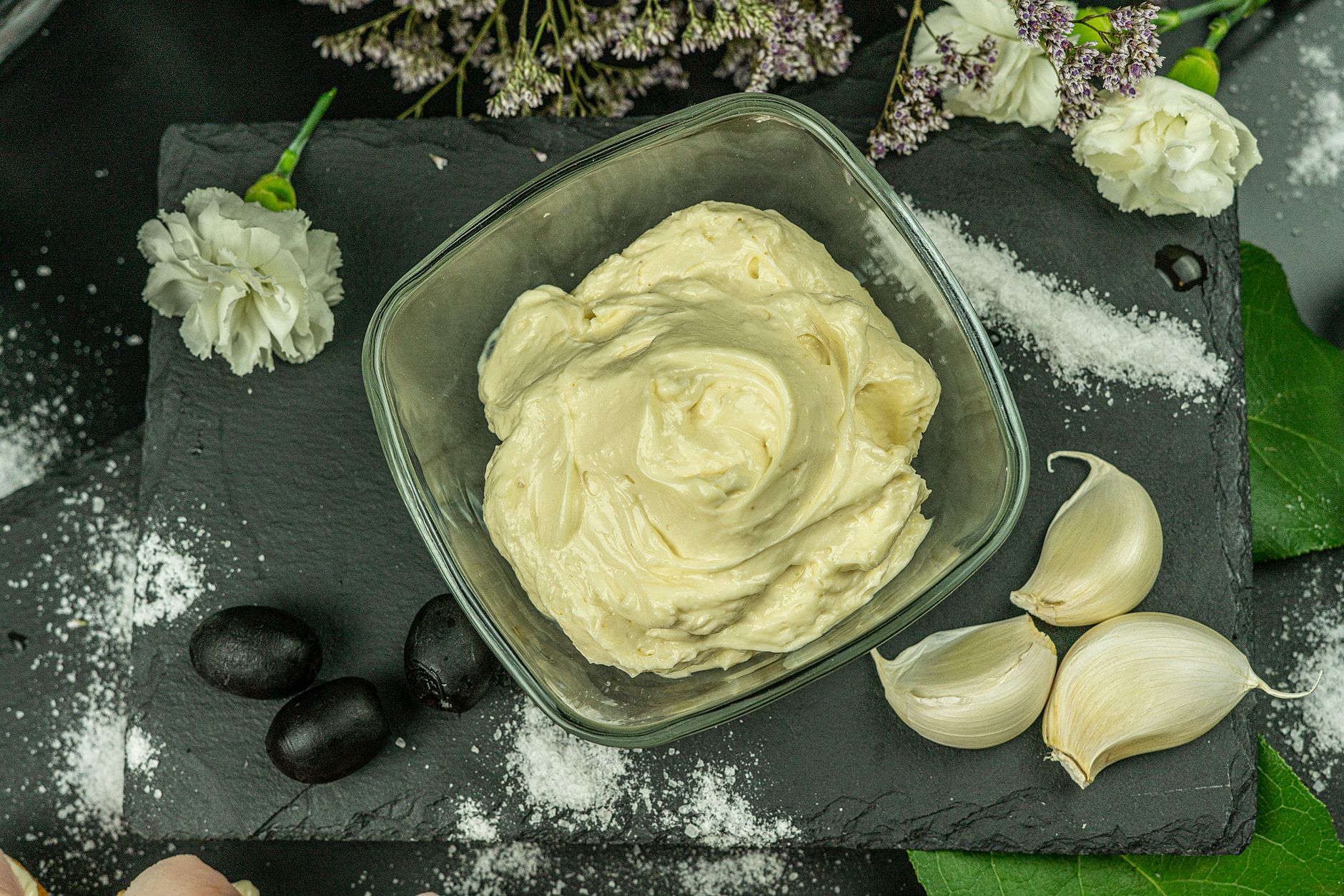
Mayonnaise is a versatile condiment cherished in kitchens worldwide. It’s creamy and rich, often used as a base for dressings, dips, and spreads. Understanding its composition not only allows for better appreciation but also opens the door to creative variations that can elevate your culinary repertoire.
At its core, mayonnaise is an emulsion, a mixture of two liquids that typically do not mix together, such as oil and water. This article will explore what mayonnaise is made of, how it is traditionally prepared, common variations, and serving tips to enhance your dishes.
What Is Mayonnaise Made of?
Mayonnaise is primarily made from three key ingredients: oil, egg yolk, and an acid, usually vinegar or lemon juice. These components come together through a process called emulsification, creating a smooth and stable mixture. Each ingredient serves a distinct purpose in achieving the characteristic texture and flavor of mayonnaise.
Core Ingredients
- Oil: The primary source of fat in mayonnaise, oil provides richness and creaminess. Common types used include vegetable oil, canola oil, and olive oil.
- Egg Yolk: Acts as an emulsifier, helping to blend the oil and acid into a cohesive mixture. It also contributes to the mayonnaise’s silky texture and adds flavor.
- Acid: Typically vinegar or lemon juice, this ingredient adds tanginess and helps stabilize the emulsion. Different types of acid can impart various flavors to the mayonnaise.
Optional Ingredients
- Mustard: Often added for flavor and additional emulsification properties. It can provide a subtle kick.
- Salt: Enhances flavor and balances the richness of the mayonnaise.
- Sugar: Adds a touch of sweetness, particularly in certain versions of mayonnaise, balancing the acidity.
- Spices and Flavorings: Additional herbs, spices, or even garlic can be incorporated for extra flavor.
How Mayonnaise Is Made
The process of making mayonnaise involves emulsifying the oil with the egg yolk and acid. While it can be done by hand, using a whisk, or with a blender or food processor can yield quicker results. Here is a straightforward method to prepare mayonnaise at home:
Equipment Needed
- Mixing bowl or blender/food processor
- Whisk or immersion blender (if mixing by hand)
- Measuring cups and spoons
Classic Mayonnaise Recipe
This classic mayonnaise recipe yields about 1 cup of mayonnaise.
- 1 large egg yolk
- 1 tablespoon Dijon mustard (optional)
- 1 tablespoon vinegar or lemon juice
- 1 cup oil (vegetable, canola, or olive oil)
- Salt to taste
Preparation Steps
- In a mixing bowl or the container of a food processor, combine the egg yolk, mustard (if using), and acid (vinegar or lemon juice).
- Whisk or blend until well combined and slightly thickened.
- Begin to add the oil very slowly in a thin stream while whisking vigorously or blending. Initially, it’s crucial to add the oil slowly to allow it to emulsify properly.
- As the mixture thickens, you can increase the speed of oil incorporation without risking separation.
- Once all the oil has been added and the mayonnaise has reached a thick consistency, season with salt to taste.
- If the mayonnaise is too thick, you can whisk in a small amount of water or additional lemon juice to reach your desired consistency.
Common Mistakes When Making Mayonnaise
Despite its straightforward preparation, homemade mayonnaise can be prone to a few common issues, leading to an unstable or poorly flavored product. Here are some mistakes to avoid:
Over-Emulsification
If you add the oil too quickly or whisk it too aggressively, the emulsion can break, resulting in a separation of oil and liquid. Always start slowly when combining ingredients and increase speed gradually.
Temperature of Ingredients
For the best results, all ingredients should be at room temperature. Cold ingredients can cause the mixture to seize up and become grainy.
Insufficient Flavoring
Mayonnaise can taste bland without proper seasoning. Ensure that you balance the acidity and richness by tasting the mixture as you go and adjusting the flavors accordingly.
Variations of Mayonnaise
There are several adaptations and variations of mayonnaise, each infusing distinct flavors or catering to dietary preferences. Here are some popular options:
Garlic Mayonnaise (Aïoli)
This Mediterranean variation combines the creamy base of mayonnaise with garlic, resulting in a zesty dipping sauce. To make garlic mayonnaise, simply add minced garlic cloves to your classic mayonnaise recipe.
Herbed Mayonnaise
Incorporate fresh herbs like basil, dill, or parsley to create a bright, flavorful condiment. Adding these herbs can transform mayonnaise into a fresh spread for sandwiches or a perfect dip for vegetables.
Spicy Mayonnaise
Add hot sauce or Sriracha to mayo for a spicy kick. This variation pairs well with burgers, sandwiches, or as a dip for fries. Adjust the amount of hot sauce to your taste preference.
Vegan Mayonnaise
Vegan mayonnaise substitutes the egg yolk with aquafaba (the liquid from canned chickpeas) or silken tofu. The process is similar, blending the chosen ingredient with oil and acid to achieve a creamy texture while remaining plant-based.
Storage and Shelf Life of Mayonnaise
Homemade mayonnaise does not contain preservatives, so its shelf life is limited. It is best stored in a clean, airtight container in the refrigerator and consumed within a week. Store-bought mayonnaise generally contains preservatives and has a longer shelf life of several months, as indicated on the label. Always check for signs of spoilage, such as an off smell or discoloration, before use.
Serving Tips for Mayonnaise
Mayonnaise can enhance various dishes, from appetizers to main courses. Here are some practical serving suggestions:
Sandwich Spreads
Use mayonnaise as a spread for sandwiches, meats, or vegetables. It can elevate simple sandwiches into gourmet experiences.
Dips and Dressings
Combine mayonnaise with additional flavorings to create dips for vegetables or chips. It can also serve as a base for salad dressings, like ranch or creamy herb dressings.
Flavor Enhancer
Incorporate mayonnaise into potato salads, tuna salads, or deviled eggs to provide richness and moisture. Its creamy consistency binds ingredients effectively.
Grilled or Roasted Vegetables
Use mayonnaise as a coating for grilled or roasted vegetables. It helps season and hold spices on the vegetables while improving browning.
Practical Substitutions for Mayonnaise
If you find yourself without mayonnaise or prefer alternatives, there are several options you can use in its place:
- Greek Yogurt: A tangy and healthier alternative, Greek yogurt can be used in a 1:1 ratio. It adds protein but may alter the flavor slightly.
- Sour Cream: Similar in consistency, sour cream can replace mayonnaise in salads and dips, providing a creamy texture and a slight tang.
- Avocado: Mashed avocado can serve as a nutrient-rich substitute, giving a creamy texture and healthy fats while adding a unique flavor.
- Tofu: Blended silken tofu makes a great vegan alternative that closely resembles mayonnaise’s creaminess and emulsifying properties.
Final Thoughts on Mayonnaise
Understanding what mayonnaise is composed of opens up a world of culinary possibilities. Whether you choose to make it from scratch or opt for store-bought options, its versatility ensures that it can enhance various dishes. Explore different flavors and variations, and don’t hesitate to experiment with substitutions based on your preference or dietary needs.
For a new take on mayonnaise, consider trying a garlic mayo for added flavor or a creamy chicken salad. Explore our garlic mayo recipe or discover a delicious mayo chicken recipe to expand your culinary adventures.