
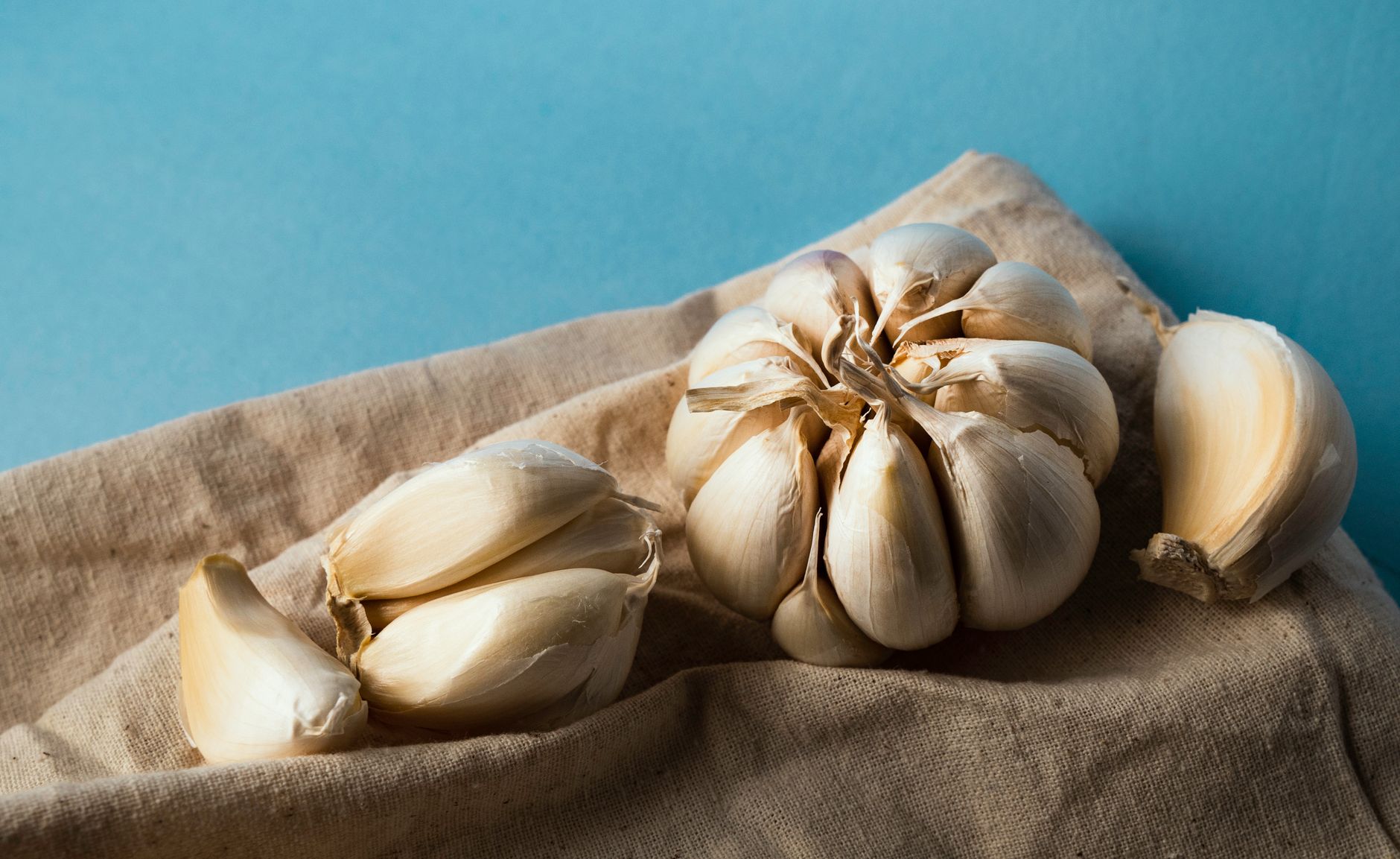
Garlic is a staple ingredient in many kitchens around the world, beloved for its unique flavor and versatility in cooking. Knowing how long garlic cloves last is essential for maximizing their flavor and preventing waste. This article outlines the lifespan of whole garlic cloves, peeled, and chopped garlic, along with storage methods and safety tips to help you keep garlic fresh.
As a flavorful allium, garlic adds depth to a variety of dishes, from pasta sauces to stir-fries. However, improper storage can lead to spoilage, resulting in undesirable flavors or even health risks. Understanding the storage guidelines will enable you to enjoy garlic at its best and understand when it’s time to toss it out.
How Long Does Garlic Cloves Last?
The lifespan of garlic cloves depends on their form and storage conditions. Whole garlic bulbs can last for several weeks to several months, whereas peeled or chopped garlic has a much shorter shelf life. In general, here are the time frames for storing garlic:
- Whole garlic bulbs: 3 to 6 months at room temperature.
- Peeled garlic cloves: 1 week in the refrigerator.
- Chopped or minced garlic: 1 to 2 days stored in the refrigerator.
Factors Affecting the Shelf Life of Garlic
The longevity of garlic cloves can be influenced by several factors, including light, humidity, and air exposure. Understanding these parameters can help you store garlic correctly and prolong its freshness.
Light
Garlic prefers dark environments. Exposure to light can cause garlic to sprout or deteriorate faster. Store garlic in a cool, dark cupboard or pantry away from direct sunlight.
Humidity
Humidity can also have a significant impact on garlic’s shelf life. High humidity can encourage mold growth, while low humidity can cause garlic to dry out. It’s best to keep garlic in a well-ventilated, dry area, preferably in an open container.
Air Exposure
Garlic bulbs should be kept in well-ventilated containers, allowing air circulation. Avoid sealing garlic in airtight containers if you want to extend its shelf life. An open paper bag or mesh basket works well.
Storage Methods for Garlic Cloves
Using proper storage techniques is essential for maximizing the freshness of garlic cloves. Below are the recommended methods for different forms of garlic:
Whole Garlic Bulbs
Store whole garlic bulbs in a cool, dark place. Opt for a well-ventilated container like a mesh bag or a wire basket. Avoid storing garlic in the refrigerator; the cold, humid environment encourages sprouting. If whole garlic begins to sprout, it’s still safe to eat, although the taste may change. You can trim the green shoots if desired.
Peeled Garlic Cloves
If you have peeled garlic cloves, store them in an airtight container in the refrigerator. Use them within a week for optimal flavor and freshness. To minimize odor transfer, place the container at the back of the fridge where it is colder.
Chopped or Minced Garlic
Chopped or minced garlic can spoil quickly, so it’s best to use it immediately. If you must store it, keep it in an airtight container in the refrigerator and consume it within 1 to 2 days. Always use a clean utensil to avoid contamination.
Freezing Garlic
Freezing is an excellent long-term storage option for garlic. Here’s how to freeze garlic:
- Peel the cloves or chop/mince them, depending on your preference.
- Place the garlic in a single layer on a baking sheet and freeze for a few hours.
- Once frozen, transfer the garlic to an airtight freezer-safe bag or container.
Frozen garlic can last up to 6 months and be used directly from the freezer in cooking.
Signs That Garlic Has Gone Bad
Even with proper storage, garlic may not last as long as expected. Here are some signs to watch for to determine if your garlic has gone bad:
Wrinkled Skin
Wrinkled skin is a sign that garlic is drying out and may lose flavor. While it’s not necessarily harmful, it may signal that the garlic is on the verge of going bad.
Soft or Mushy Cloves
Fresh garlic cloves should feel firm to the touch. If you notice any soft or mushy spots, it’s a sign of spoilage, and it’s best to discard the garlic.
Sprouting
While garlic can still be used after sprouting, the green shoots may taste bitter. If the cloves are still firm, you can trim away the sprouts and use the remaining garlic; however, taste may diminish.
Dark Spots or Mold
Black or brown spots may indicate decay or mold growth. If you see these spots, it’s safer to discard the garlic.
Off Smell
If garlic emits a foul odor or any strange smell, it has likely spoiled. Always trust your nose when it comes to food safety.
Conclusion and Practical Tips on Garlic Usage
With the right storage techniques, you can keep garlic fresh and flavorful for weeks or even months. Always check your garlic for signs of spoilage before using it to ensure quality. Remember to store whole bulbs in cool, dark places, and utilize refrigeration for peeled or chopped garlic to extend its life.
For added convenience, consider freezing excess garlic for later use, allowing you to preserve its robust flavor without waste. Garlic is a versatile ingredient that can elevate any dish, so make sure you have fresh garlic ready to enhance your culinary creations.
For more tips on ingredient longevity, check out our articles on the shelf life of chia seeds and the differences between granulated garlic and garlic powder. Explore our food blog for more cooking tips, storage guides, and delicious recipes!