
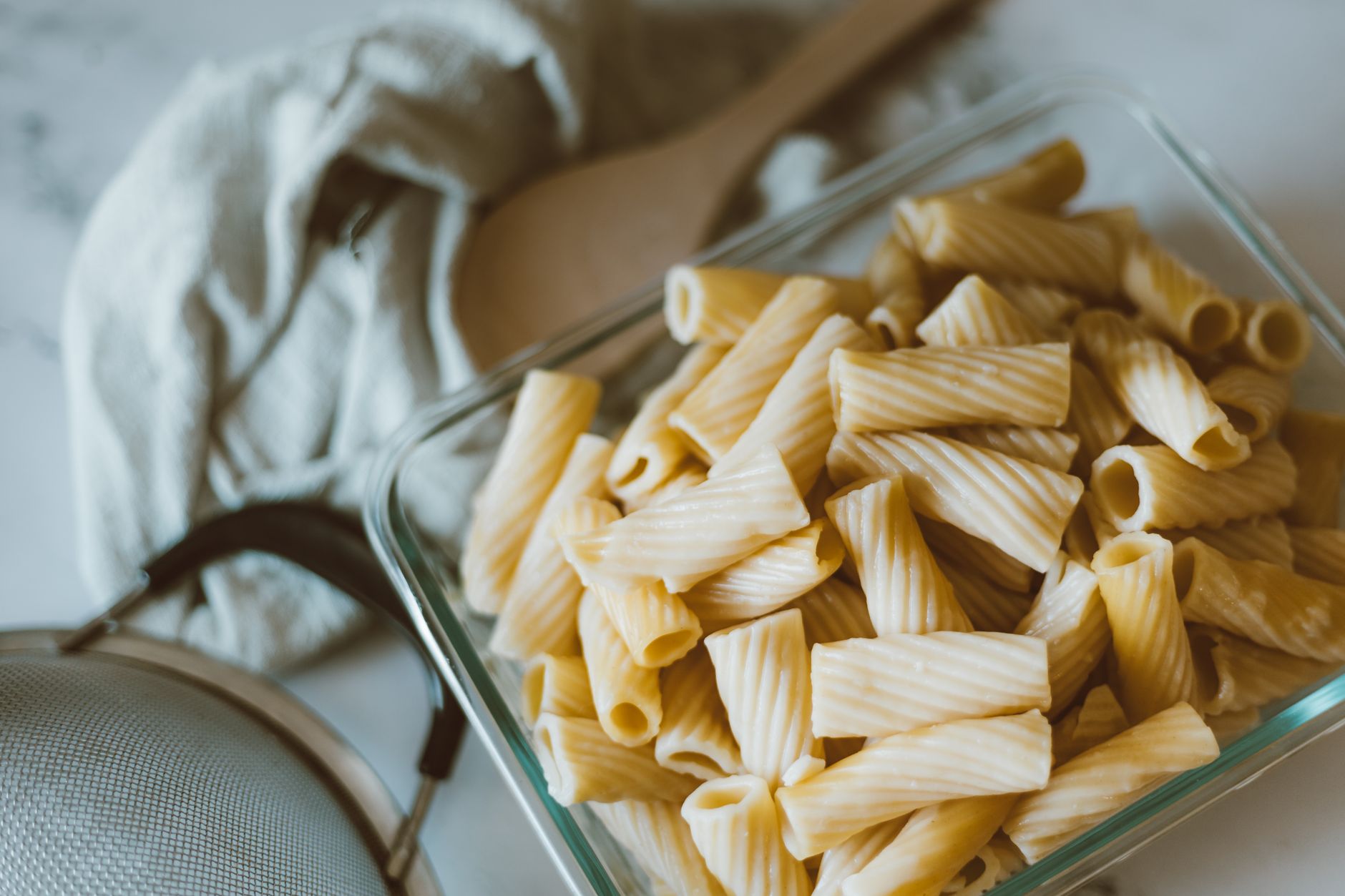
Pasta is a beloved staple in many households, offering versatility and comfort in countless recipes. Knowing how long cooked pasta lasts in the fridge helps you manage leftovers safely and reduce food waste, ensuring every bite remains delightful.
This guide will explore the storage guidelines for cooked pasta, signs of spoilage, and tips for reheating, so you can enjoy this cherished dish well past mealtime.
How Long Does Cooked Pasta Last In The Fridge?
Cooked pasta usually lasts about three to five days in the refrigerator when stored properly. Factors such as the type of pasta, the presence of sauces or ingredients, and storage methods can influence its lifespan. Always check for signs of spoilage before consuming.
Storage Tips for Cooked Pasta
Proper storage is essential for extending the life of cooked pasta and maintaining its quality. Here are several effective storage techniques to consider:
- Use Airtight Containers: Store cooked pasta in airtight containers to prevent it from absorbing odors and moisture from the fridge.
- Cool Before Storing: Allow pasta to cool to room temperature before refrigerating it. Placing hot pasta directly in the fridge can raise the temperature inside and increase the risk of bacterial growth.
- Separate From Sauces: If possible, keep pasta and sauces in separate containers. This will help maintain the texture of the pasta and avoid it becoming mushy.
- Label and Date: Clearly label containers with the contents and date of storage. This helps you keep track of freshness.
- Use Vacuum Sealing: For longer storage, consider vacuum sealing cooked pasta, which removes air and helps preserve its quality.
Signs of Spoilage in Cooked Pasta
Identifying spoilage is crucial to ensure food safety. Here are some signs that cooked pasta has gone bad:
- Off Odor: A sour or rancid smell indicates spoilage.
- Color Change: Discoloration, such as a grey or green hue, can be a sign of mold or bacterial growth.
- Texture Changes: If the pasta feels slimy or sticky, it is best to discard it.
- Visible Mold: Any signs of mold should prompt immediate disposal of the pasta.
Different Types of Pasta and Their Shelf Lives
While the general guideline of three to five days applies to most cooked pastas, different types can have slightly varying shelf lives:
- Fresh Pasta: Freshly made pasta may last only three days in the fridge due to its higher moisture content.
- Dried Pasta: Cooked dried pasta can last up to five days, provided it is stored properly.
- Whole Wheat Pasta: This type of pasta is nutritionally denser and may retain its freshness longer but still follows the three to five-day guideline.
- Gluten-Free Pasta: Cooked gluten-free pasta can spoil more quickly and should typically be consumed within three days.
Reheating Cooked Pasta
Reheating cooked pasta requires care to avoid overcooking or drying it out. Here are some safe and effective methods:
Stovetop Method
- Place the cooked pasta in a saucepan.
- Add a splash of water or sauce to the pot to help maintain moisture.
- Heat over medium-low heat, stirring occasionally, until warmed through.
Microwave Method
- Transfer the pasta to a microwave-safe bowl.
- Add a tablespoon of water or sauce and cover the bowl with a microwave-safe lid or plate.
- Microwave on medium heat in 30-second intervals, stirring in between, until heated through.
Oven Method
- Preheat the oven to 350°F (175°C).
- Transfer the pasta to an oven-safe dish and add a bit of water or sauce to keep it from drying out.
- Cover with aluminum foil to retain moisture and heat for about 15-20 minutes or until warmed through.
Freezing Cooked Pasta
If you think you won’t consume your cooked pasta within the recommended shelf life, freezing is an excellent option. Here’s how to do it properly:
- Cool the cooked pasta completely.
- Portion the pasta into meal-sized servings for easier thawing.
- Transfer to freezer-safe bags or containers, remove excess air, and seal tightly.
- Label the containers with the date and type of pasta.
Frozen cooked pasta typically lasts for about two to three months. When you’re ready to use it, thaw it overnight in the fridge or use the microwave to defrost.
Cooking Techniques to Avoid Leftover Pasta
Preventing excess cooked pasta is just as important as knowing how to store it. Consider the following techniques to help avoid leftovers:
- Measure Your Portions: Use measuring cups or a kitchen scale to portion pasta correctly for each meal.
- Plan Ahead: Have a clear meal plan for the week to avoid cooking too much pasta.
- Use Recipes with Pasta Varieties: Leverage diverse recipes that utilize the same type of pasta to ensure you can finish the leftovers quickly.
Using Leftover Pasta in New Dishes
Leftover cooked pasta can easily be repurposed in various new dishes. Here are a few ideas:
- Pasta Salad: Toss cold pasta with vegetables, dressing, and protein for a refreshing salad.
- Frittata: Incorporate cooked pasta into a frittata for a hearty breakfast or brunch option.
- Pasta Bake: Combine leftover pasta with cheese, sauce, and baked in the oven for a cozy casserole dish.
- Stir-fry: Sauté cooked pasta with an assortment of vegetables and protein for a quick stir-fry meal.
Conclusion
Knowing how long cooked pasta lasts in the fridge and how to handle leftovers can encourage efficiency in meal planning and cooking. With proper storage and reheating techniques, you’ll extend the life of your cooked pasta and create delicious dishes using leftovers.
Explore related recipes, cooking tips, or food guides such as how long chicken lasts in the fridge or what pasta is made of to expand your culinary knowledge.