
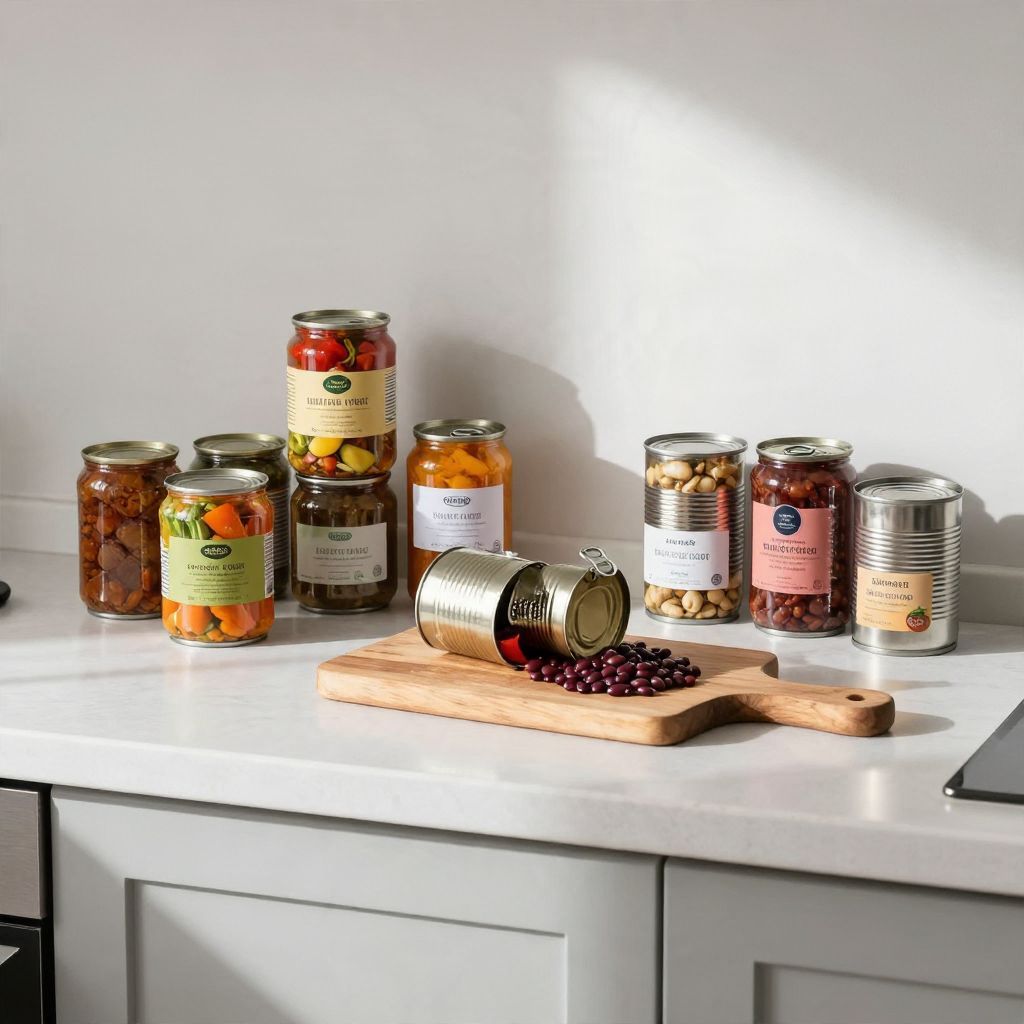
Understanding how long canned food lasts is essential for effective meal planning and food safety. Proper knowledge about shelf life can help prevent food waste, save money, and ensure that you are consuming food that is safe and nutritious.
Canned foods are a convenient and long-lasting option, but their shelf life can vary significantly based on several factors. In this guide, we will explore how long various canned foods last, how to store them properly, and tips for maintaining their quality.
How Long Does Can Food Last?
The shelf life of canned food can vary greatly depending on the type of food, the canning process, and storage conditions. Generally, unopened canned goods can last anywhere from 2 to 5 years or even longer. However, the quality may diminish over time.
It’s vital always to check the expiration dates, but cans can remain safe to eat well beyond those dates if stored correctly.
Factors Influencing Shelf Life of Canned Foods
Several factors affect how long canned food lasts:
- Type of Food: Different types of food have different shelf lives; for instance, fruits may last longer than meats.
- Storage Conditions: Ideal storage is cool, dry, and dark. Humidity and heat can shorten shelf life.
- Can Integrity: Dents, rust, or bulging in cans can indicate potential spoilage.
- Processing Method: Foods that are high in acidity, such as tomatoes, can have a shorter shelf life compared to low-acid foods, like vegetables.
General Shelf Life Guidelines
Here’s a breakdown for various types of canned foods:
Meats and Seafood
- Canned Chicken: 3 to 5 years
- Canned Tuna: 3 to 5 years
- Canned Salmon: 3 to 5 years
- Canned Clams: 3 to 5 years
Vegetables
- Canned Green Beans: 2 to 5 years
- Canned Corn: 2 to 5 years
- Canned Carrots: 2 to 5 years
- Canned Tomatoes: 1.5 to 2 years
Fruits
- Canned Peaches: 2 to 3 years
- Canned Pineapple: 2 to 3 years
- Canned Mixed Fruit: 1.5 to 3 years
Sauces and Soups
- Canned Soup: 2 to 5 years
- Canned Pasta Sauce: 1 to 2 years
- Canned Chili: 2 to 5 years
Beans and Legumes
- Canned Black Beans: 2 to 5 years
- Canned Chickpeas: 2 to 5 years
- Canned Kidney Beans: 2 to 5 years
How to Store Canned Food Properly
Storage plays a vital role in maintaining the quality and extending the shelf life of canned foods. Here are some tips for proper storage:
- Store in a Cool, Dry Place: Aim for a temperature range of 50°F to 70°F. Avoid areas near stoves, ovens, or direct sunlight.
- Keep Cans Dry: Wipe cans to remove any moisture and store them on shelves that are not prone to humidity.
- Use FIFO Method: Practice “First In, First Out” by organizing your pantry so that older cans are at the front, promoting use before newer ones.
- Avoid Freezing: Do not freeze canned goods; freezing can cause the can to burst due to expansion.
- Inspect Regularly: Routinely check your pantry for any signs of damage or spoilage.
Signs of Spoilage in Canned Foods
Despite their long shelf life, canned foods can spoil. Be vigilant for the following signs of spoilage:
- Bulging Lids: A bulging can indicates gas build-up from bacteria, making it unsafe to eat.
- Dents or Rust: Dented or rusted cans may compromise seals and introduce pathogens.
- Strange Odors: If you notice an unusual smell upon opening, discard the can immediately.
- Discoloration: Unique colors or textures can indicate spoilage, particularly with fruits and vegetables.
Extended Shelf Life Strategies
If you want to maximize the shelf life of your canned goods, consider these tips:
- Buying in Bulk: Purchase in bulk sales to save money; just ensure safe storage.
- Rotate Stock: Regularly consume older products first.
- Food Preservation: Consider preserving your own food in jars; home canning methods can extend popular products.
Can Food Cooking Tips
Cooking with canned foods can be convenient, but there are a few tips to ensure the best flavor and safety:
- Rinse When Necessary: Rinse canned beans and vegetables to reduce sodium content and improve taste.
- Use in Recipes: Incorporate canned foods into soups and casseroles for added nutrition.
- Enhance Flavor: Canned items can lack depth; add spices, herbs, or other fresh ingredients to enhance the dish.
Common Canned Food Recipes
Incorporating canned foods into recipes can lead to quick and easy meals. Here are a few ideas:
- Canned Soup Surprise: Add canned vegetables, beans, and spices to canned soup for a heartier meal.
- Chili from a Can: Combine canned beans, tomatoes, corn, and seasoning for a spicy chili.
- Pasta Salad: Use canned beans and vegetables for added protein and flavor in pasta salads.
Can Food Myths Debunked
Several myths exist around canned foods, which can mislead consumers. Here are a few to clarify:
- Myth: Canned Food is Bad for You: Canned foods can be nutritious and are often just as healthy as fresh products.
- Myth: All Canned Food is Loaded with Preservatives: Most canned goods are preserved through the canning process itself, without extra additives.
- Myth: Canned Food Cannot Be Good Quality: High-quality brands use good vegetables and proteins, retaining nutritional content.
Final Thoughts on Canned Food Storage
Understanding how long canned food lasts is crucial for food safety and budget-friendly shopping. Canned foods can provide convenient meal options when stored correctly, making them valuable in any kitchen. Regular checks for spoilage and proper storage can help you enjoy their benefits for years to come.
For more food storage tips, check out our guide on how long cooked ground beef lasts and learn about the shelf life of dairy with cottage cheese after opening.