
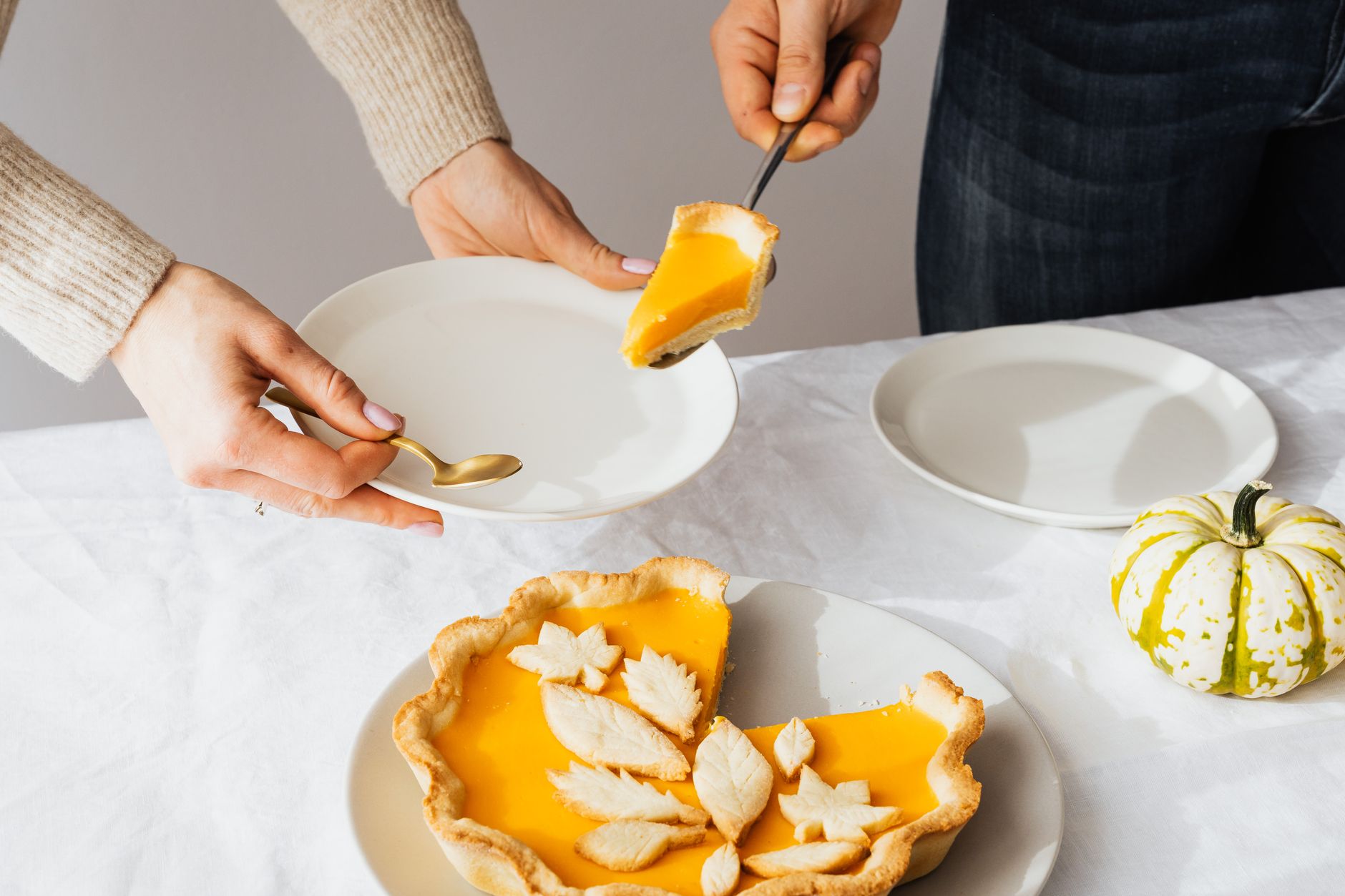
Pumpkin pie is a classic dessert, especially enjoyed during the fall and winter months. This creamy, spiced pie is often a staple at holiday gatherings, but once it’s baked, many people are left wondering about the best storage practices. Understanding whether to refrigerate pumpkin pie can help maintain its freshness and flavor.
In this guide, we will explore the reasons behind refrigerating pumpkin pie, storage tips, and essential food safety practices. This knowledge will ensure your dessert not only tastes great but is also safe to eat.
Do You Have to Refrigerate Pumpkin Pie?
Yes, it is generally recommended to refrigerate pumpkin pie, especially if it contains eggs and dairy. Refrigerating helps prevent bacterial growth and keeps the pie fresh longer. However, some variations of pumpkin pie, such as those without egg or dairy, may not require refrigeration for a short period.
The Components of Pumpkin Pie
To fully understand the storage needs of pumpkin pie, it’s essential to recognize its components and how they influence food safety.
Common Ingredients
- Pumpkin puree
- Eggs
- Heavy cream or evaporated milk
- Sugar
- Spices (cinnamon, nutmeg, ginger)
- Pie crust (usually made with flour, butter, and salt)
Safety Concerns
The essential factors impacting whether to refrigerate pumpkin pie are food safety and ingredient stability. Here are the primary concerns:
1. Eggs and Dairy
Most traditional pumpkin pie recipes contain eggs and milk or cream. These ingredients can create an environment for bacteria to thrive if left at room temperature for too long. According to the USDA, pies made with eggs and dairy should generally not be left out for more than two hours.
2. Bacterial Growth
When pumpkin pie is left at room temperature, harmful bacteria such as Salmonella can grow, especially in the presence of these ingredients. To mitigate this risk, refrigerating pumpkin pie helps slow bacterial growth, keeping your dessert safe to enjoy.
Storing Pumpkin Pie
Properly storing pumpkin pie is crucial for retaining its flavor and texture. Here are some guidelines for doing just that:
Cooling the Pie
- Allow the pie to cool completely at room temperature after baking, about 2 hours.
- Avoid covering it while it is cooling; preventing condensation can maintain its texture.
Refrigeration
- Once cooled, cover the pie loosely with plastic wrap or aluminum foil.
- Store the pie in the refrigerator for up to three days if it contains eggs and dairy.
- For pies without eggs or dairy, it’s still best to refrigerate after two hours, but you can keep them at room temperature for another day.
Freezing Pumpkin Pie
If you want to store pumpkin pie for an extended period, freezing is a viable option. Here’s how to do it effectively:
Freezing Process
- Make sure the pie is completely cooled before freezing.
- Wrap the pie tightly in plastic wrap or aluminum foil, then place it inside a heavy-duty freezer bag for extra protection.
- Label the bag with the date and type of pie for easy identification.
- Freeze for up to three months.
Thawing and Reheating
- When you’re ready to enjoy a frozen pumpkin pie, transfer it to the refrigerator and let it thaw overnight.
- If you prefer, you can reheat your pie in a preheated oven at 350°F (175°C) for about 15-20 minutes for that freshly-baked feel.
Can You Leave Pumpkin Pie at Room Temperature?
As mentioned earlier, pumpkin pie is best stored in the refrigerator, but here are some specifics on what happens if it is left out:
Duration
- Pumpkin pie can be left at room temperature for up to two hours safely.
- If the ambient temperature is higher than 90°F (32°C), reduce this time to just one hour to avoid spoilage.
Identifying Spoiled Pumpkin Pie
It’s essential to recognize the signs of spoilage to prevent foodborne illness. Here are some indicators that your pumpkin pie might not be safe to eat:
Signs of Spoilage
- Unpleasant or sour odor
- Visible mold growth
- Off taste or unusual texture
- Separation of the filling from the crust
Variations on Pumpkin Pie
Different interpretations of pumpkin pie can affect storage requirements. Here’s a look at a few popular variations:
Non-Dairy Pumpkin Pie
Some recipes employ coconut milk or almond milk as a substitute for dairy. These pies may not require refrigeration for short periods but should still be refrigerated after two hours for safety.
Vegan Pumpkin Pie
Vegan versions, typically made without eggs or dairy, can often sit out at room temperature for longer. However, refrigeration keeps the flavors intact and the texture smoother.
Store-Bought vs. Homemade
Store-bought pumpkin pies usually contain preservatives, which can alter their shelf life. Always check the packaging for storage guidelines. Homemade pies, without preservatives, should follow the same storage guidelines outlined above.
Serving Pumpkin Pie
How you serve your pumpkin pie can also affect its freshness. Let’s explore some popular serving methods:
Serving Techniques
- Serve slices chilled for a refreshing dessert or at room temperature for a softer texture.
- Add a dollop of whipped cream or a scoop of vanilla ice cream for an extra treat.
- Sprinkle with cinnamon or nutmeg to enhance the traditional flavors.
Freshening Up Leftover Pumpkin Pie
To revive leftover pumpkin pie when serving again, here are a few tips:
Reheating Tips
- Reheat individual slices in a microwave for about 30 seconds or until warmed through.
- For whole pies, reheat in the oven at 350°F (175°C) for about 15-20 minutes.
- Top with fresh cream or a drizzle of caramel sauce to enhance the flavors.
Summary of Pumpkin Pie Storage
Storing pumpkin pie correctly is crucial for enjoying this beloved dessert safely and deliciously. Ensure to refrigerate it if it contains eggs and dairy. You can also freeze it for later use. Pay attention to spoilage signs and adjust your serving style based on your preferences.
By following these guidelines, you can appreciate pumpkin pie at its best, whether made from scratch or purchased from a bakery. Enjoy your pumpkin pie adventure this season and experiment with different variations while keeping food safety in mind.
If you’re interested in learning more about pumpkin-related recipes or storage tips, check out our articles on freezing pumpkin pie and understanding pumpkin puree.