
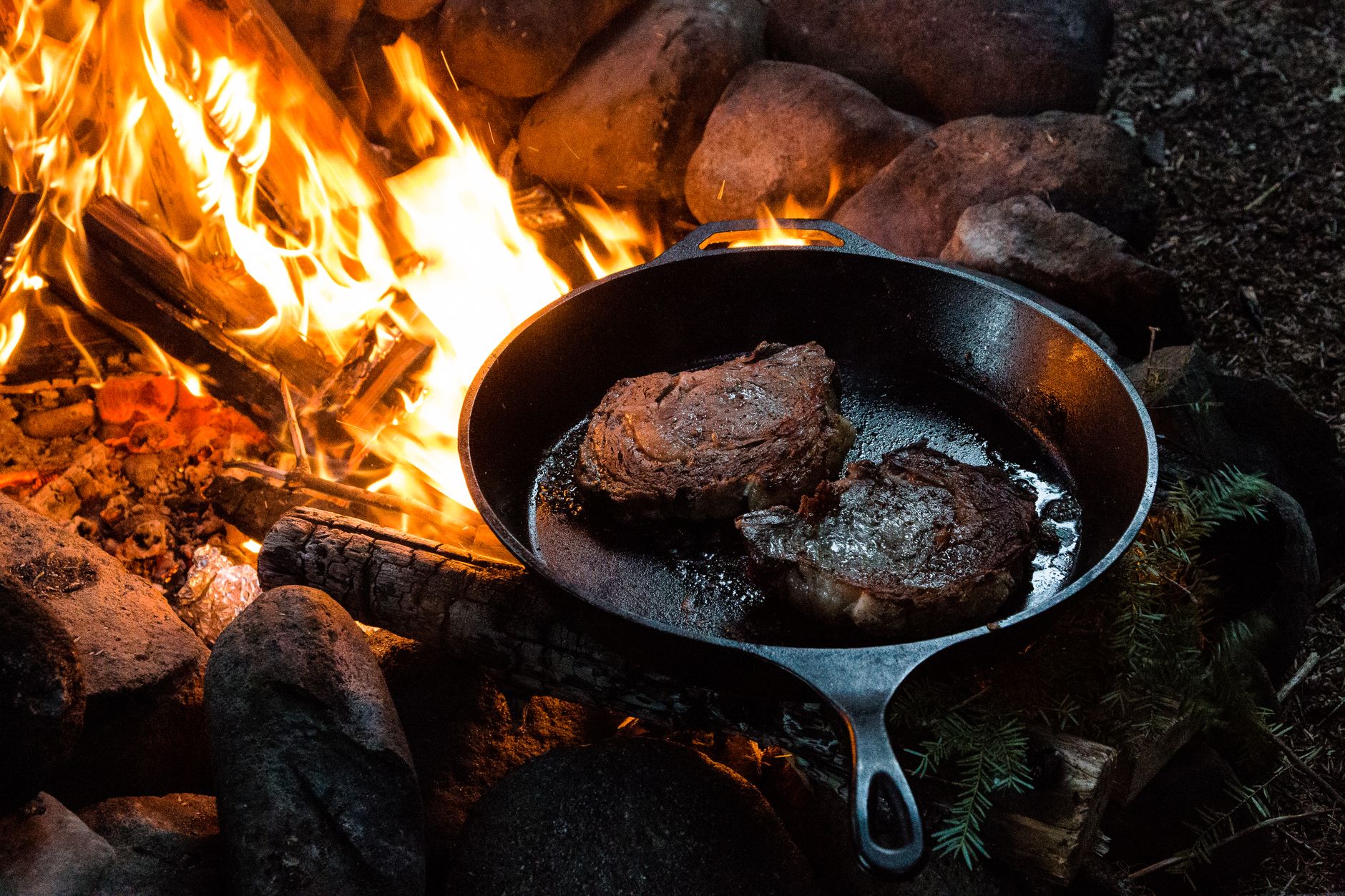
Cooking a perfectly seared steak is a culinary skill that enhances both flavor and texture, making it a favorite dish for many. Knowing how long to sear a steak on each side is crucial for achieving your desired doneness, whether you prefer it rare, medium, or well-done.
This guide breaks down the searing process, provides cooking times, and offers tips for perfecting your steak experience, from preparation to serving. Read on to become more confident in your steak-cooking ability.
How Long Do You Sear a Steak on Each Side?
The general rule of thumb for searing a steak is to cook it for 2 to 5 minutes on each side, depending on the thickness of the cut and the desired doneness. Steaks that are about one-inch thick typically require about 3-4 minutes per side for a medium-rare finish.
Factors like the type of steak, heat level of the cooking surface, and personal preference all come into play. By following this guide, you can achieve that perfect sear efficiently.
Understanding Searing
Searing is a cooking technique that involves applying high heat to the surface of the meat, creating a flavorful crust through the Maillard reaction. This process not only enhances the taste but also helps to lock in juices inside the steak.
The ideal pan for searing is one that heats evenly, such as a cast-iron skillet, as it can maintain high temperatures. When searing, ensuring your steak is at room temperature and patting it dry can also yield better results.
Factors Influencing Searing Time
Several factors can affect how long you should sear a steak:
- Thickness of Steak: Thicker steaks need more time to cook through, while thinner cuts require less time.
- Desired Doneness: The more well-done you want your steak, the longer it needs to cook on each side.
- Heat Level: Cooking on high heat will sear your steak quickly, while lower temperatures may require extended cooking times.
- Type of Steak: Different cuts, such as ribeye or filet mignon, have varying fat content, affecting cooking time.
How to Sear a Steak
Now that you understand the theory behind searing, let’s walk through the step-by-step process.
Essential Equipment
- Cast-iron skillet or heavy-bottomed pan
- Tongs
- Meat thermometer
- Paper towels
- Cooking oil with a high smoke point (e.g., canola oil, avocado oil)
Ingredients
- Steak (ribeye, sirloin, filet mignon, etc.) – about 1 inch thick
- Salt (kosher or sea salt)
- Pepper (freshly ground)
- Optional: garlic, herbs, or butter for added flavor
Step-by-Step Method
- Preparation: Remove the steak from the refrigerator at least 30 minutes before cooking to reach room temperature. This allows for more even cooking.
- Seasoning: Pat the steak dry with paper towels. Generously season both sides with salt and pepper.
- Heat the Pan: Preheat a cast-iron skillet over medium-high heat for 5-10 minutes until hot. Add a tablespoon of high smoke point oil.
- Sear the Steak: Once the oil is shimmering, carefully place the steak in the pan. Avoid overcrowding the pan, as this can lower the temperature.
- Cooking Time: Sear the steak for 2 to 5 minutes on the first side. Use tongs to gently lift it after the initial sear to check for a dark crust. The steak should easily release from the pan when it’s ready to flip.
- Flip the Steak: Once you have a good sear, flip the steak using tongs. Sear for another 2 to 5 minutes, adjusting time based on thickness and desired doneness.
- Check Doneness: Using a meat thermometer, check for the following temperatures: 125°F (rare), 135°F (medium-rare), 145°F (medium), and 160°F (well done).
- Rest the Steak: After reaching the desired temperature, transfer the steak to a plate and let it rest for at least 5 minutes. This allows juices to redistribute, ensuring a moist steak.
Types of Steak and Searing Times
Different types of steaks may require slightly different searing times. Here’s a quick reference guide:
| Type of Steak | Thickness | Cooking Time per Side |
|---|---|---|
| Ribeye | 1 inch | 3-4 minutes |
| Sirloin | 1 inch | 3-4 minutes |
| Filet Mignon | 1 inch | 2-3 minutes |
| T-Bone | 1.5 inches | 4-5 minutes |
| Flank Steak | 1 inch | 3-4 minutes |
Common Mistakes and Troubleshooting
Even seasoned cooks can run into issues. Here are some common mistakes and how to avoid them:
- Not Preheating the Pan: Failing to heat the skillet adequately leads to steaming rather than searing. Always ensure the pan is hot before adding the steak.
- Overcrowding the Pan: Adding too many steaks at once can drop the temperature. Cook in batches if necessary.
- Moving the Steak Too Soon: If you try to flip the steak too early, it can stick to the pan. Let it sear and form a crust before turning.
- Not Resting the Steak: Cutting into the steak immediately can result in lost juices. Always rest for at least 5 minutes before slicing.
Serving Suggestions
Once your steak is perfectly seared, consider how to serve it for maximum enjoyment:
- Slicing: When ready to serve, slice against the grain for maximum tenderness.
- Pairing: Complement your steak with classic sides like roasted vegetables, mashed potatoes, or a fresh salad.
- Toppings: Consider adding a pat of herb butter or a drizzle of balsamic glaze for additional flavor.
Make-Ahead and Storage Advice
While searing is best done right before serving, here are some tips for planning:
- Prep Ahead: You can season your steak in advance and let it marinate in the refrigerator for several hours or overnight.
- Storage: If you have leftovers, store them in an airtight container in the refrigerator for up to 3 days.
- Reheating: The best way to reheat steak is in a skillet over medium-low heat until warmed through, to prevent it from drying out.
Practical Substitutions
If you don’t have a cast-iron skillet available, here are some alternative cooking tools:
- Stainless Steel Skillet: Good heat retention and can also create an effective sear.
- Grill: Outdoor grilling can also achieve excellent results. Keep the lid open and monitor temperatures.
- Broiler: If you prefer to use the oven, placing the steak under the broiler will mimic the high heat needed for searing.
With this detailed guide, you should now feel more confident in searing steaks to perfection. Remember to adjust times based on thickness and personal preferences while utilizing accurate tools like a meat thermometer for optimum results. Enjoy your perfectly cooked steak!
Explore related topics such as how to make a petite sirloin steak or discover the flavors in a T-bone steak recipe. Happy cooking!