
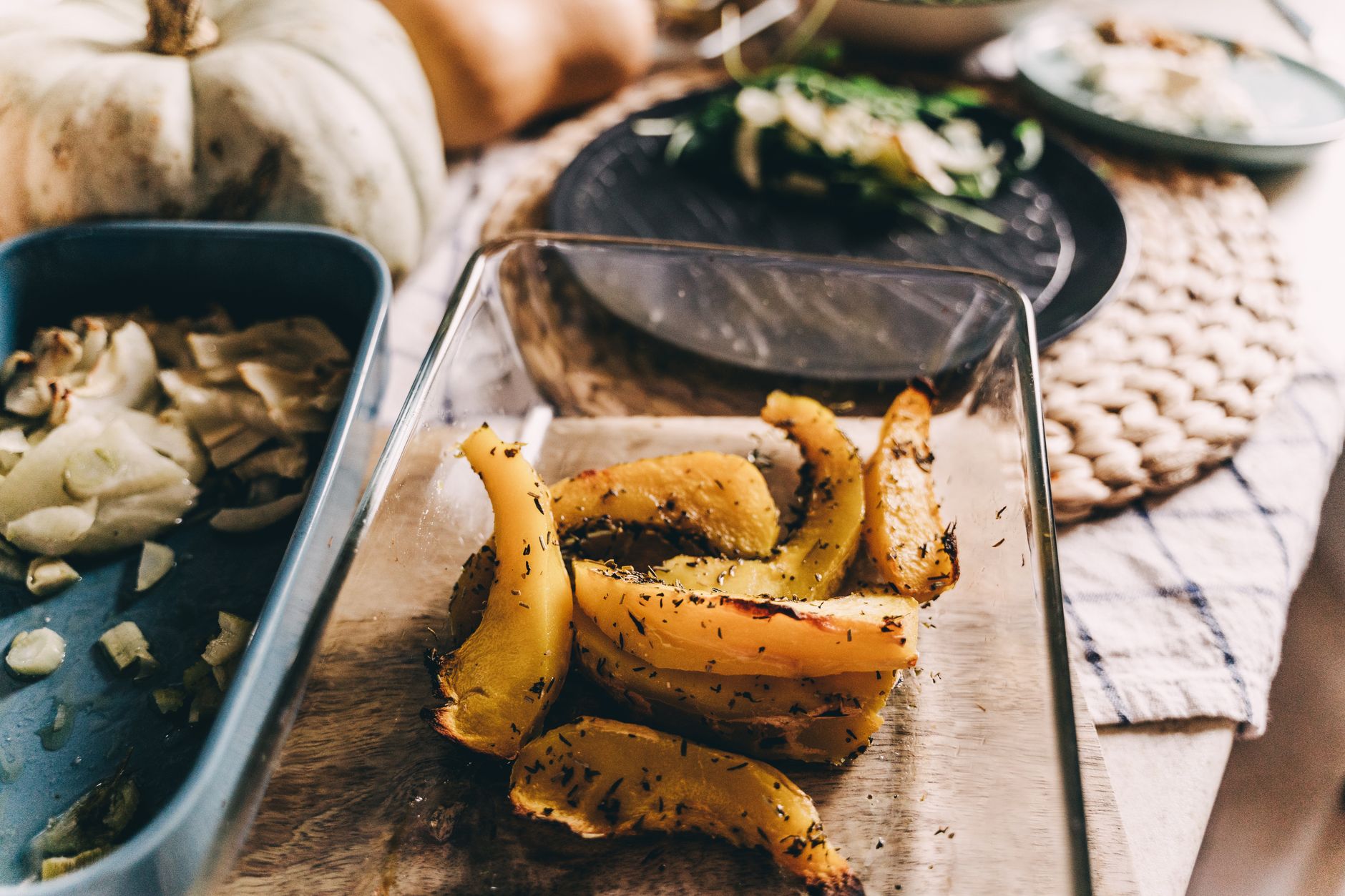
Cooking squash in the oven is a simple and versatile way to prepare this delicious vegetable. Squash can be roasted, baked, or steamed, offering a savory or sweet flavor profile depending on the variety you choose. Whether you’re using butternut, acorn, spaghetti, or delicata squash, knowing the appropriate cooking time and temperature will ensure perfectly tender results.
This guide will explore how long to cook squash in the oven at various temperatures for all major types of squash. You will also find tips on preparation, seasoning, and delicious serving suggestions.
How Long Do You Cook Squash in the Oven?
The cooking time for squash in the oven varies depending on the type of squash, its size, and the method of cooking. Generally, squash should be roasted at 400°F (200°C) for about 25 to 45 minutes. Smaller varieties like delicata squash may cook faster, while larger types like butternut squash may take longer.
Understanding Different Squash Varieties
Before diving into the cooking times, it’s essential to understand the different types of squash, as they all have unique textures and flavors:
- Butternut Squash: Sweet and nutty, this squash has a creamy texture when cooked.
- Acorn Squash: Slightly sweet with a mildly nutty flavor, this squash has a tender flesh.
- Spaghetti Squash: When cooked, this squash’s flesh separates into spaghetti-like strands.
- Delicata Squash: Sweet and tender, this variety is easy to cut and cook with its thin skin.
Preparing Squash for the Oven
Preparation is key to ensuring your squash cooks evenly and tastes great. Here’s how to prepare your squash:
- Wash the Squash: Rinse the squash under cool water to remove any dirt.
- Cut the Squash: For most types, slice the squash in half lengthwise to expose the seeds. Use a sturdy knife and be cautious.
- Remove Seeds: Scoop out the seeds and stringy flesh from the center using a spoon. You can save the seeds for roasting if desired.
- Season: Drizzle with olive oil, sprinkle with salt, pepper, or your favorite herbs and spices.
Cooking Times by type of Squash
Here’s a breakdown of cooking times and temperatures for different squash types when roasted in the oven:
Butternut Squash
- Temperature: 400°F (200°C)
- Cooking Time: 25-35 minutes
Cut butternut squash into cubes or halves for baking. It is done when easily pierced with a fork and golden brown at the edges.
Acorn Squash
- Temperature: 375°F (190°C)
- Cooking Time: 35-45 minutes
Acorn squash halves should be baked cut side up. They are ready when the flesh is tender and can be easily scooped with a spoon.
Spaghetti Squash
- Temperature: 400°F (200°C)
- Cooking Time: 35-45 minutes
Slice spaghetti squash in half and bake with the cut side down. Once cooked, use a fork to scrape the flesh into spaghetti-like strands.
Delicata Squash
- Temperature: 400°F (200°C)
- Cooking Time: 25-30 minutes
Delicata squash cooks quickly. Cut into rings or half-moons for even cooking, and enjoy its sweet flavor when caramelized.
Oven Baking Techniques
While knowing the times and temperatures is essential, the technique you use can also affect the final result. Below are a couple of baking methods:
Roasting Squash
Roasting is one of the most popular methods for cooking squash, as it enhances flavor through caramelization:
- Preheat the oven to the desired temperature based on the squash type.
- Prepare the squash as described above.
- Spread oil and seasoning evenly over the squash pieces.
- Place squash on a baking sheet lined with parchment paper or a lightly greased pan.
- Roast until the squash is tender and golden brown. Check halfway through and stir if needed for even cooking.
Baking Whole Squash
Baking whole squash is an option for some types, especially smaller varieties:
- Preheat the oven to 375°F (190°C).
- Prick the outer skin of the whole squash with a fork a few times to prevent bursting.
- Place the squash directly on the oven rack or on a baking pan to catch any drippings.
- Bake for 60-90 minutes, depending on size. It’s ready when it yields to gentle pressure.
Common Mistakes When Cooking Squash
As with any cooking technique, there are potential pitfalls when preparing squash. Here are some common mistakes to avoid:
- Not Preheating the Oven: Always preheat your oven to ensure even cooking and optimal texture.
- Skipping the Oil: Lightly coating the squash with oil can enhance flavor and aid in browning.
- Overcrowding the Pan: If using a baking sheet, give the squash ample space so they roast rather than steam.
- Underseasoning: Don’t forget to season your squash adequately to bring out its natural flavors.
Serving Suggestions for Oven-Cooked Squash
Cooked squash can be served in a variety of ways. Here are some creative serving suggestions:
- As a Side Dish: Serve roasted squash alongside grilled meats or fish.
- In Salads: Toss roasted squash with mixed greens, nuts, and a light vinaigrette.
- Pasta Dish: Use spaghetti squash as a healthy pasta alternative topped with marinara sauce.
- Soups and Purees: Blend cooked squash into creamy soups or purees.
- Stuffed Squash: Fill halves of acorn or butternut squash with grains, cheese, or vegetables for an impressive entrée.
Storage and Reheating Tips
If you have leftovers, squash can be stored and reheated easily:
Storage: Place cooked squash in an airtight container in the refrigerator. It will generally be good for up to 4-5 days.
Reheating: To reheat, place the squash in the oven at 350°F (175°C) for about 10-15 minutes or until heated through. Alternatively, you can microwave it on a microwave-safe plate for 1-2 minutes.
Creative Recipe Variations and Substitutions
If you want to switch things up or work with what you have, consider these substitutions and variations:
- For a Sweet Dish: Add cinnamon and maple syrup before roasting.
- Savory Options: Experiment with garlic powder, smoked paprika, or chili flakes for a kick.
- Oil Alternatives: Use melted coconut oil, ghee, or butter instead of olive oil.
Planning Your Meals Around Squash
Squash is an incredibly versatile ingredient, making it easy to incorporate into various meals throughout the week. Here’s how to plan around it:
- Batch Cooking: Roast a large batch of squash on meal prep day for use in salads, soups, and sides.
- Mix and Match: Pair cooked squash with different proteins, grains, or legumes for varied meals.
- Seasonal Ingredients: Incorporate fresh herbs and seasonal vegetables to complement the squash flavors.
Cooking squash in the oven is a straightforward method that offers plenty of opportunities for creativity. By understanding different squash varieties and mastering cooking times and techniques, you can enjoy this nutritious vegetable in endless ways. So, whether you’re preparing a simple roasted dish or a sophisticated stuffed entrée, you’ll be well-equipped to make squash the star of your meal.
Explore more flavorful options with our honey nut squash recipe and try out our flavorful fried squash recipe for more delicious ideas!