
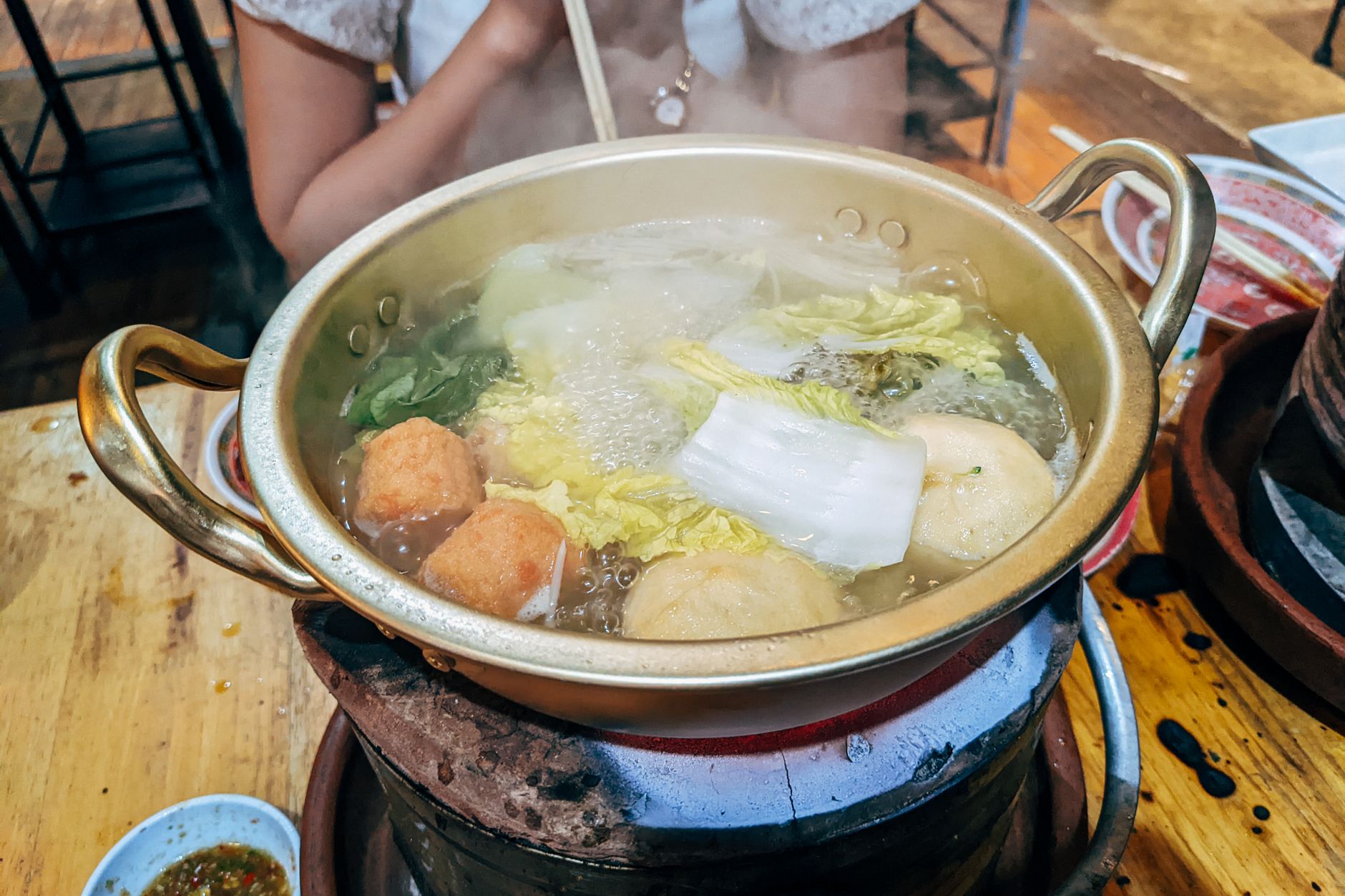
Cabbage is a versatile vegetable often used in salads, soups, and a range of main dishes. One of the most straightforward cooking methods for cabbage is boiling, which can enhance its flavor and soften its texture. Knowing how long to boil cabbage is essential for achieving the right doneness without losing its natural taste and nutrients.
This article will guide you through the boiling process for cabbage, covering timing, temperature, doneness cues, and tips to ensure perfectly boiled cabbage every time. Whether you are preparing a hearty cabbage soup or a simple side dish, you’ll find all the information you need.
How Long Do I Boil Cabbage?
The ideal boiling time for cabbage typically ranges from 5 to 10 minutes when cooking whole cabbage, and about 3 to 5 minutes for chopped pieces. Boiling times can vary based on how tender you prefer your cabbage and the size of the pieces being cooked. To check for doneness, you can pierce the cabbage with a fork; it should be tender but not mushy.
Choosing the Right Cabbage
Before you start boiling, it’s important to select the right type of cabbage. Here are some common varieties:
- Green Cabbage: Most common, good for boiling due to its robust structure.
- Red Cabbage: Has a slightly peppery flavor and maintains color well when boiled.
- Savoy Cabbage: Tender and sweet, cooks faster than green cabbage.
- Napa Cabbage: Delicate leaves and sweet flavor; best boiled for shorter times.
Preparing Cabbage for Boiling
Proper preparation ensures even cooking and better flavor. Here’s how to prepare your cabbage:
- Remove any damaged or wilted outer leaves from the cabbage head.
- Rinse the cabbage under cold water to remove dirt and debris.
- For whole cabbage heads, remove the core by cutting a cone shape around the stem. This helps the cabbage cook evenly.
- Cut the cabbage as desired: into wedges for a more rustic presentation or shred it for soups and salads.
How to Boil Cabbage
Follow these steps for boiling cabbage perfectly:
- Fill a large pot with water, enough to submerge the cabbage, and add a pinch of salt to enhance flavor.
- Bring the water to a rolling boil over high heat.
- Carefully add the prepared cabbage to the boiling water.
- Return to a boil, then reduce the heat to medium, ensuring the water remains at a gentle boil.
- Start timing based on the size and cut of the cabbage:
- Whole heads: 8 to 10 minutes.
- Wedges: 5 to 7 minutes.
- Chopped or shredded: 3 to 5 minutes.
- Check doneness by piercing a piece with a fork. It should be tender but still firm.
- Once done, remove the cabbage using a slotted spoon or drain in a colander, then rinse under cold water to stop the cooking process.
- Serve warm or incorporate into your favorite recipe.
Determining Doneness
When boiling cabbage, you want it to be tender yet maintain some crunch. Here’s how to check if it’s done:
- Use a fork or knife to pierce the cabbage; it should go in with minimal resistance.
- For whole heads, you can give it a gentle shake; if it feels limp, it’s likely ready.
- A bright green or vibrant color indicates freshness, while dull colors may suggest overcooking.
Tips for Perfectly Boiled Cabbage
Here are some practical tips to enhance your boiled cabbage experience:
- Salt the water: Adds flavor and helps maintain color.
- Avoid overcrowding: Boil in batches if you have a large amount, as overcrowding can lead to uneven cooking.
- Adjust cook time: Depending on how you plan to use it, you may want to adjust the boiling time to achieve your desired texture.
- Flavoring options: Consider adding garlic, bay leaves, or apple cider vinegar to the boiling water for added flavor.
Common Mistakes When Boiling Cabbage
To ensure the best results, here are some common pitfalls to avoid:
- Overcooking: It can cause cabbage to become mushy and lose flavor and nutrients. Keep an eye on the timer.
- Skipping the rinse: Not rinsing before boiling can result in a gritty texture. Always wash your cabbage first.
- Under-seasoning: Cabbage can be bland without seasoning. Don’t skip the salt in the boiling water.
Storing Boiled Cabbage
If you prepare too much cabbage, it’s important to store it correctly to maintain its quality:
- Once cooled, store boiled cabbage in an airtight container in the refrigerator.
- It can be kept for up to 3–5 days.
- To freeze boiled cabbage, ensure it’s completely cooled, then place it in a freezer-safe bag or container. Use within 3 months for best quality.
Reheating Boiled Cabbage
When reheating boiled cabbage, ensure it retains its texture and flavor:
- For microwave reheating, place cabbage in a microwave-safe dish with a splash of water; cover and heat on high in 30-second intervals until warmed through.
- For stovetop reheating, add a small amount of butter or oil in a skillet over medium heat; toss cabbage until heated.
- Avoid boiling again as it may lead to overcooking.
Serving Suggestions for Boiled Cabbage
Boiled cabbage can be a delicious side or main ingredient. Here are some serving ideas:
- As a side dish: Serve plainly with butter, salt, and pepper, or sauté with garlic for added flavor.
- In stews or soups: Incorporate into hearty dishes like cabbage soup or minestrone.
- With protein: Pair with meats like corned beef, sausages, or fish for a well-rounded meal.
- In salads: Combine cooled boiled cabbage with other vegetables and a tangy dressing for a refreshing salad.
Variations and Substitutions
If you’re looking to experiment with flavor, consider these variations and substitutions:
- Vinegar or lemon juice: For a tangy touch, drizzle some vinegar or sprinkle lemon juice over boiled cabbage.
- Herbs: Fresh cilantro, dill, or parsley can enhance the flavor, adding freshness.
- Spices: Experiment with cumin or pepper flakes for a kick.
- Alternative cooking methods: If you prefer not to boil, try steaming or sautéing as healthier alternatives that preserve nutrients.
Exploring Cabbage Recipes
If you enjoyed learning how to boil cabbage, you might want to try out some recipes that showcase this vegetable. Cabbage can star in various dishes, each providing a unique flavor experience.
- Cabbage Boil Recipe – A classic method to enjoy boiled cabbage with seasonings.
- Sausage and Cabbage Recipe – A hearty one-pot dish that combines the flavors of cabbage and savory sausage.
By understanding the nuances of boiling cabbage, you can elevate this humble vegetable into a delicious part of your culinary repertoire. Remember to adjust boiling times based on size, prepare it properly, and season it to your preference for the best results. Enjoy your cooking adventure with cabbage!