
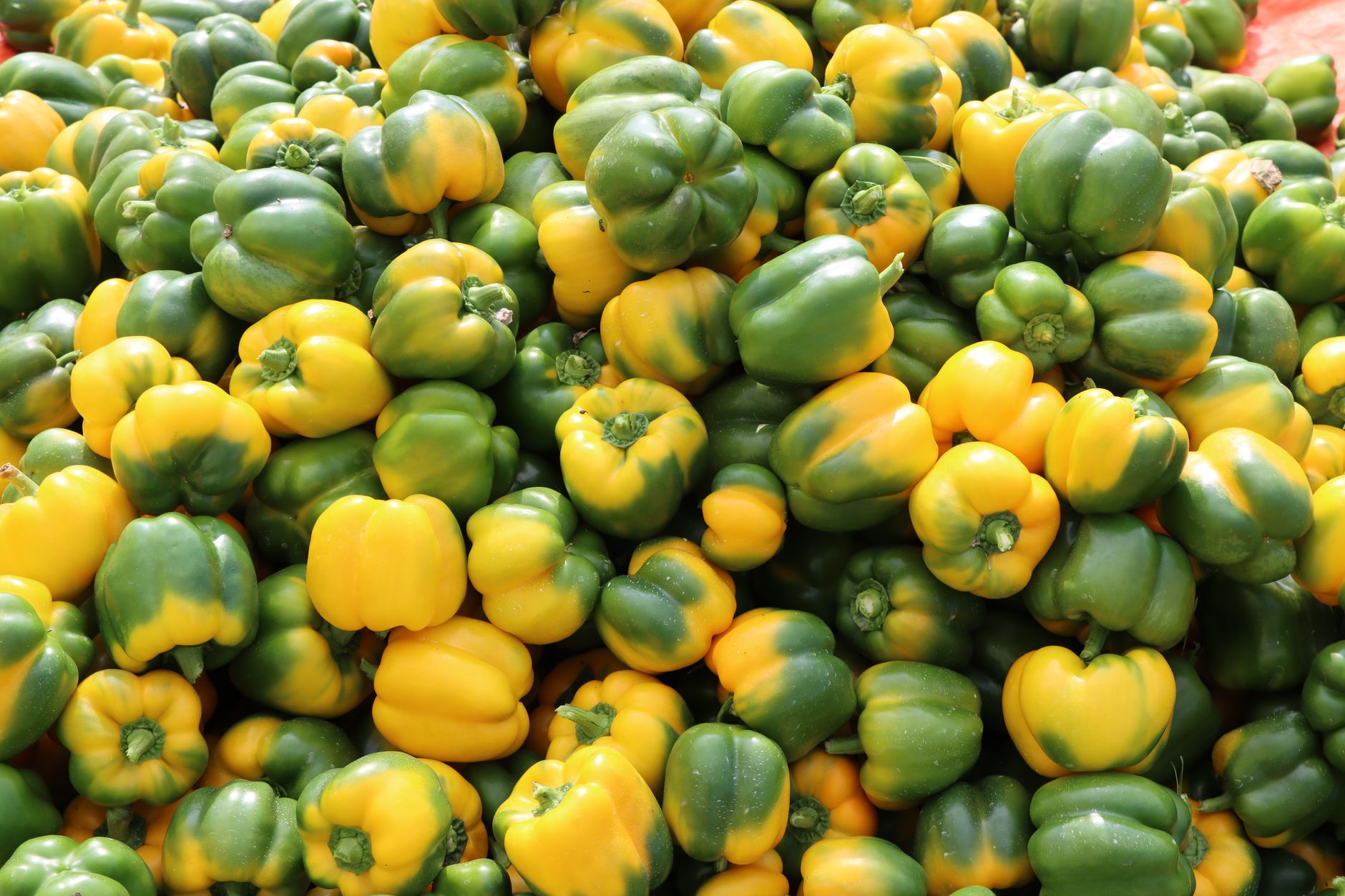
Green peppers are a versatile and nutritious ingredient commonly used in a variety of dishes. They are known for their crisp texture and mild, slightly sweet flavor, making them a great addition to salads, stir-fries, and stuffed dishes. However, knowing how to store them properly is essential to maximizing their freshness and nutritional value.
In this article, we will cover how long green peppers last in the fridge, the best storage practices, signs of spoilage, and tips for preserving their quality. Understanding these aspects will help you reduce food waste and enjoy these vibrant vegetables for longer.
How Long Do Green Peppers Last in the Fridge?
Green peppers can typically last about 1 to 2 weeks when stored properly in the refrigerator. Their longevity depends on several factors, including the freshness at the time of purchase, storage conditions, and the ripeness of the peppers. By maintaining an optimal environment and monitoring their condition, you can extend their shelf life significantly.
Best Storage Practices for Green Peppers
To maximize the shelf life of green peppers in your fridge, consider the following storage practices:
- Store green peppers in the vegetable crisper drawer of your fridge. This area is specifically designed to maintain the right humidity levels, which helps keep vegetables fresher for longer.
- Keep the green peppers in a breathable produce bag or directly in the crisper drawer without any wrapping. Wrapping them can trap moisture and lead to faster spoilage.
- Avoid washing green peppers until you are ready to use them. Excess moisture can promote mold growth and deterioration.
Signs of Spoilage in Green Peppers
Even with the best storage practices, green peppers will eventually spoil. It’s essential to recognize the signs of spoilage to avoid consuming damaged produce. Here are some indicators that your green peppers may have gone bad:
- Softness: Fresh green peppers should be firm to the touch. If you notice any soft or mushy spots, it is a sign of aging.
- Wrinkled Skin: Wrinkles indicate that the peppers are dehydrating. While they may still be edible, they will likely taste less crispy and fresh.
- Discoloration: Any browning or dark spots can indicate spoilage. If the discoloration is extensive, it is best to discard the pepper.
- Mold: If you see any signs of mold on the surface, it is time to throw the pepper away. Mold can spread rapidly and pose health risks.
Can You Freeze Green Peppers?
If you find yourself with an abundance of green peppers and want to extend their shelf life even further, freezing is a viable option. Freezing can preserve the taste and nutritional value of green peppers, making them a convenient ingredient for future meals.
How to Freeze Green Peppers
Here’s a step-by-step guide to properly freeze green peppers:
- Wash and Dry: Rinse the green peppers under cold water to remove any dirt or pesticide residues. Pat them dry with a clean towel.
- Chop or Slice: Depending on how you intend to use the peppers later, chop or slice them into your desired sizes. This step can save time when you’re ready to use them later.
- Blanch (Optional): Blanching helps preserve color, texture, and flavor but is not strictly necessary. If you want to blanch, submerge the pepper pieces in boiling water for 2-3 minutes, then immediately transfer them to an ice bath to stop cooking.
- Drain and Pack: Ensure all excess moisture is removed. Place the chopped peppers in airtight freezer bags or containers, making sure to remove as much air as possible to prevent freezer burn.
- Label and Freeze: Label the containers with the date and freeze. Green peppers can last up to 6-8 months in the freezer.
Thawing and Using Frozen Green Peppers
When you’re ready to use your frozen green peppers, there are a few methods for thawing:
- Refrigerator Method: Place the frozen peppers in the refrigerator overnight. This method is slow but maintains the best texture.
- Cold Water Method: Seal the frozen peppers in a waterproof bag and submerge them in cold water. Change the water every 30 minutes until thawed.
- Cook From Frozen: For recipes such as stir-fries, soups, or casseroles, you can add frozen peppers directly to the dish without thawing. Just ensure they are cooked thoroughly.
Cooking with Green Peppers
Green peppers can enhance a variety of dishes with their bright flavor and texture. Here are some popular cooking ideas that incorporate them:
- Stuffed Peppers: Fill them with rice, protein, and spices, then bake until tender for a hearty meal.
- Stir-Fries: Add sliced green peppers to stir-fries for a crunchy texture and vibrant color.
- Soups and Stews: Dice them and incorporate into soups and stews for a flavorful base.
- Salads: Toss raw green pepper strips into salads for a refreshing crunch.
Practical Tips for Purchasing Fresh Green Peppers
When buying green peppers, choosing the freshest ones can significantly affect how long they last. Here are tips for selecting quality peppers:
- Look for firm, smooth skin without blemishes, wrinkles, or soft spots. Avoid any that appear shriveled.
- Choose peppers that have a rich green color. Dull or faded colors may indicate overripeness or age.
- Check for weight; a heavier pepper for its size typically means it has high water content and is fresher.
Common Mistakes to Avoid
To ensure that your green peppers stay fresh for as long as possible, avoid these common mistakes:
- Storing with Other Produce: Keep green peppers away from ethylene-producing fruits (like apples and bananas) that can speed up spoilage.
- Ignoring Expiration Dates: If you plan to consume them over a longer period, check the purchase date and consume them before they start showing signs of spoilage.
- Overpacking the Fridge: Avoid overcrowding your fridge; airflow is crucial for maintaining the freshness of stored vegetables.
Health Benefits of Green Peppers
In addition to their culinary versatility, green peppers offer a range of health benefits:
- Rich in Nutrients: They are low in calories but packed with vitamins A, C, and K, as well as important antioxidants.
- Supports Immune Health: The high vitamin C content aids in boosting the immune system.
- Good Fiber Source: Green peppers provide dietary fiber, which is beneficial for digestive health.
Conclusion
Green peppers are a fantastic ingredient to keep on hand and can last in the fridge for 1 to 2 weeks with proper storage. By understanding how to store, recognize spoilage, and even freeze, you can make the most of this vibrant vegetable. Remember to select the freshest peppers, use them in various delicious dishes, and enjoy the numerous health benefits they provide.
If you’re interested in expanding your culinary horizon, consider exploring what to serve with stuffed peppers or how long beans last in the fridge for practical meal planning and preparation tips.