
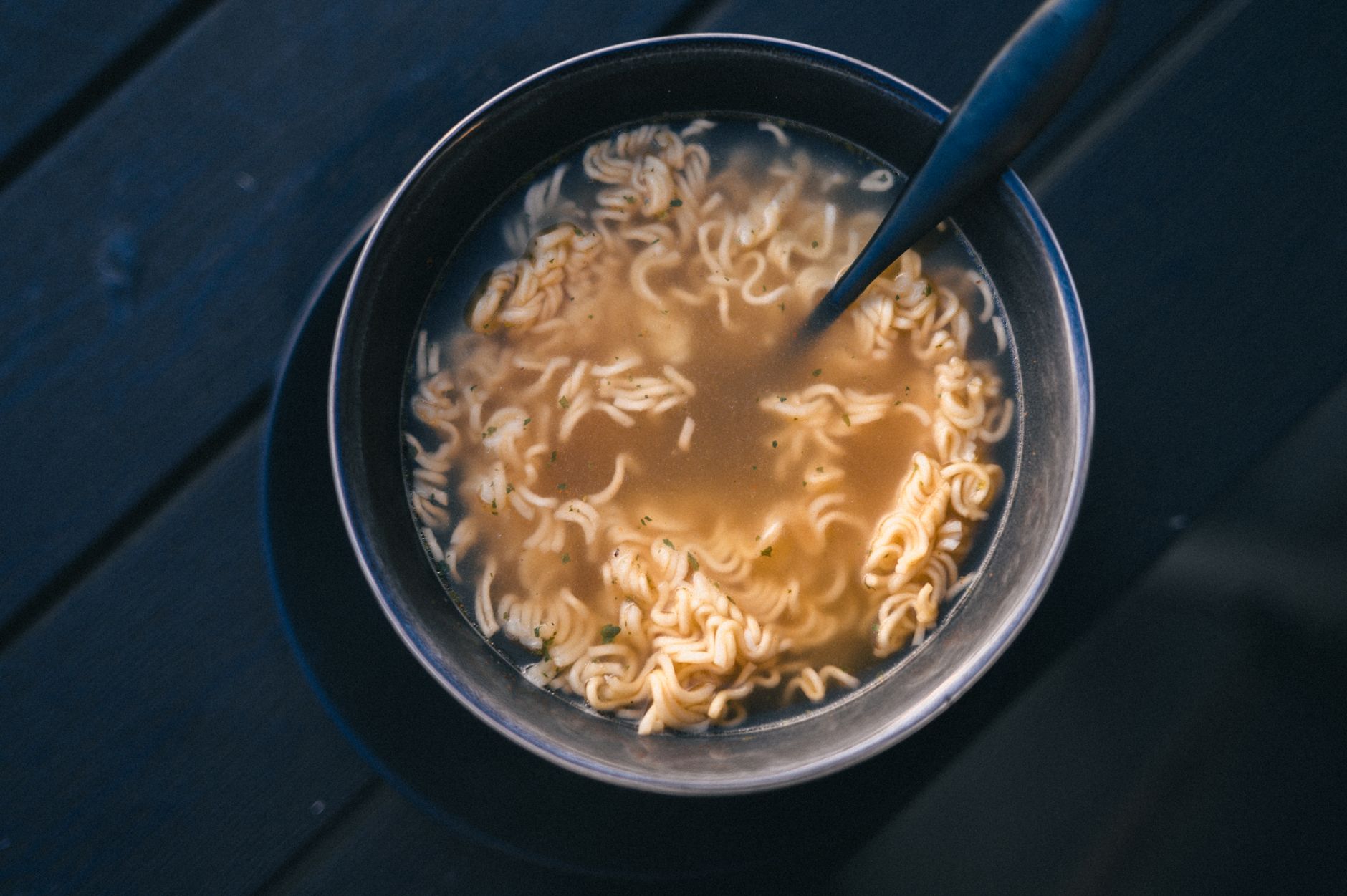
Cooked noodles are a versatile ingredient, perfect for a variety of dishes. Understanding how long they last in the fridge is key to maximizing their flavor and texture while ensuring food safety. With the right storage methods, cooked noodles can be a convenient meal option for busy weeknights or a delightful addition to your meal prep.
This guide will provide essential insights into the shelf life of cooked noodles, storage best practices, and tips for reheating them to retain their original quality. Knowing these details will help you minimize food waste and enhance your culinary experience.
How Long Do Cooked Noodles Last in the Fridge?
Cooked noodles can generally last in the fridge for 3 to 5 days when stored properly. The exact duration can depend on several factors, including the type of noodle, how they were cooked, and refrigeration conditions. It’s crucial to assess these factors to ensure your noodles remain safe and delicious.
Factors Influencing Shelf Life
The longevity of cooked noodles in the fridge depends on various factors that can affect their quality and safety. Understanding these can help you make informed decisions about storage.
Type of Noodle
Different types of noodles have varying moisture levels and ingredients, which can affect how long they last.
- Wheat Noodles: Standard pasta made from durum wheat can last up to 5 days, provided they are stored correctly.
- Rice Noodles: Often used in Asian cuisine, rice noodles can last about 3 to 4 days. They are more prone to drying out, so proper storage is crucial.
- Egg Noodles: These can last for up to 4 days in the fridge but may show signs of spoilage sooner due to their higher fat content.
- Whole Grain Noodles: Whole grain options tend to spoil faster than regular wheat noodles, typically lasting around 3 days.
Preparation Method
The way you cook noodles can also play a significant role in their shelf life.
- Plain Boiled Noodles: Cooked in just water, plain noodles typically last longer than those mixed with sauces or fats, as they have fewer ingredients to spoil.
- Noodles with Sauces: Noodles mixed with sauces may have a shorter shelf life. The sauce’s ingredients can introduce additional moisture or bacteria, making them spoilier sooner, usually within 2 to 3 days.
- Stir-Fried Noodles: Similar to sauced noodles, stir-fried noodles usually last between 3 to 5 days, depending on the ingredients included in the frying.
Storage Conditions
Proper storage is vital for extending the life of cooked noodles.
- Temperature: Ensure your refrigerator is set to 40°F (4°C) or below. This slows bacterial growth and prolongs food safety.
- Container: Use airtight containers to minimize exposure to air and moisture. This helps prevent drying out or absorbing other odors from the fridge.
- Cooling: Let the noodles cool completely before storing them in the fridge. Placing warm noodles directly in the fridge can raise the temperature inside, promoting bacterial growth.
Signs of Spoilage
Knowing the signs of spoilage can help you determine whether your cooked noodles are still safe to eat.
Visual Cues
Look for the following signs:
- Color Change: Cooked noodles should maintain their original color. If they appear dull or have dark spots, discard them.
- Mold Growth: Any visible signs of mold or an off smell indicate that the noodles are no longer safe to consume.
Texture Changes
Textural changes can also signal spoilage:
- Stickiness: If the noodles feel overly sticky or gummy beyond their normal texture, it’s a sign that they may be going bad.
- Dryness: While some drying can happen over time, extreme dryness or brittleness indicates they’ve passed their prime.
Best Practices for Storing Cooked Noodles
To maintain the quality and safety of your cooked noodles, follow these best practices.
Cooling Before Storing
Once you’ve cooked your noodles, allow them to cool to room temperature. This can take about 30 minutes. However, don’t leave them out for more than two hours to avoid bacterial growth.
Use Airtight Containers
Transfer the cooled noodles to airtight containers. If you don’t have one, tightly wrap the noodles in plastic wrap or aluminum foil. This will prevent air exposure and keep the moisture locked in.
Label and Date
Mark your containers with the date you cooked the noodles. This will help you keep track of their freshness and ensure you use them within their safe storage period.
Avoid Washing Before Storing
Do not rinse your noodles before storing them, as this can lead to moisture accumulation and spoilage. Instead, store them as they are, unless you’ve already mixed them with a sauce that requires refrigeration.
Reheating Cooked Noodles
Reheating cooked noodles properly will help retain their texture and prevent them from becoming mushy or overly dry.
Using the Microwave
The microwave is a quick and efficient way to reheat noodles. Follow these steps:
- Place the noodles in a microwave-safe dish.
- Add a splash of water or broth to keep the noodles moist.
- Cover the dish with a microwave-safe lid or microwaveable plastic wrap to trap steam.
- Heat in 30-second intervals, stirring in between, until heated through.
Using the Stove
This method can help restore the original texture of the noodles.
- Bring a pot of water to a boil. You don’t need much—just enough to heat the noodles.
- Add the noodles to the pot, and boil them for about 1 to 2 minutes, just until heated.
- Drain and serve immediately.
Using an Oven
For baked dishes with noodles, reheating in the oven is ideal.
- Preheat your oven to 350°F (175°C).
- Place the dish in an oven-safe container, adding a little liquid if the noodles seem dry.
- Cover with foil to avoid overbaking and heat for about 10 to 15 minutes.
Creative Ways to Use Leftover Cooked Noodles
Leftover cooked noodles can be incorporated into a variety of dishes, minimizing waste and adding convenience to meal prep.
Noodle Salads
Chill your noodles and toss them with fresh vegetables and a light dressing to create a refreshing salad. This is perfect for hot days or as a picnic meal.
Soups and Broths
Add leftover noodles to soups for added substance. They absorb flavors well and make a comforting meal.
Stir-Fried Dishes
Use cooked noodles as a base for stir-frying with vegetables, protein, and your favorite sauces. This can be a quick and satisfying meal, utilizing whatever ingredients you have on hand.
Bake Casseroles
Combine noodles with a creamy sauce, cheese, and vegetables, then bake for a cozy casserole. This way, you can enjoy hearty comfort food while utilizing your leftovers.
Common Mistakes to Avoid
Here are some typical pitfalls when dealing with cooked noodles:
- Storing with Sauce: If noodles are mixed with sauce and stored together, they can spoil faster. Consider storing them separately to extend the noodles’ shelf life.
- Not Tracking Dates: Failing to mark storage dates makes it easy to forget how long your noodles have been in the fridge. Keep track to avoid consuming spoiled food.
- Improper Cooling: Skipping the cooling step before sealing noodles can invite bacteria and lead to quicker spoilage.
- Reheating Improperly: Reheating noodles without moisture can leave them dry and unappetizing. Always add a splash of water or broth during reheating.
Conclusion
Understanding how long cooked noodles last in the fridge is crucial for effective meal planning and reducing food waste. Always ensure you store them properly and monitor their freshness to enjoy their delightful flavors for days after cooking. Cooked noodles can easily be incorporated into various dishes, providing delicious and convenient meal options.
Consider exploring more related cooking tips, such as learning how long cooked chicken lasts or how long ground beef is good for in the fridge. Discover practical food guides that enhance your cooking experience and help you make the most of your ingredients.