
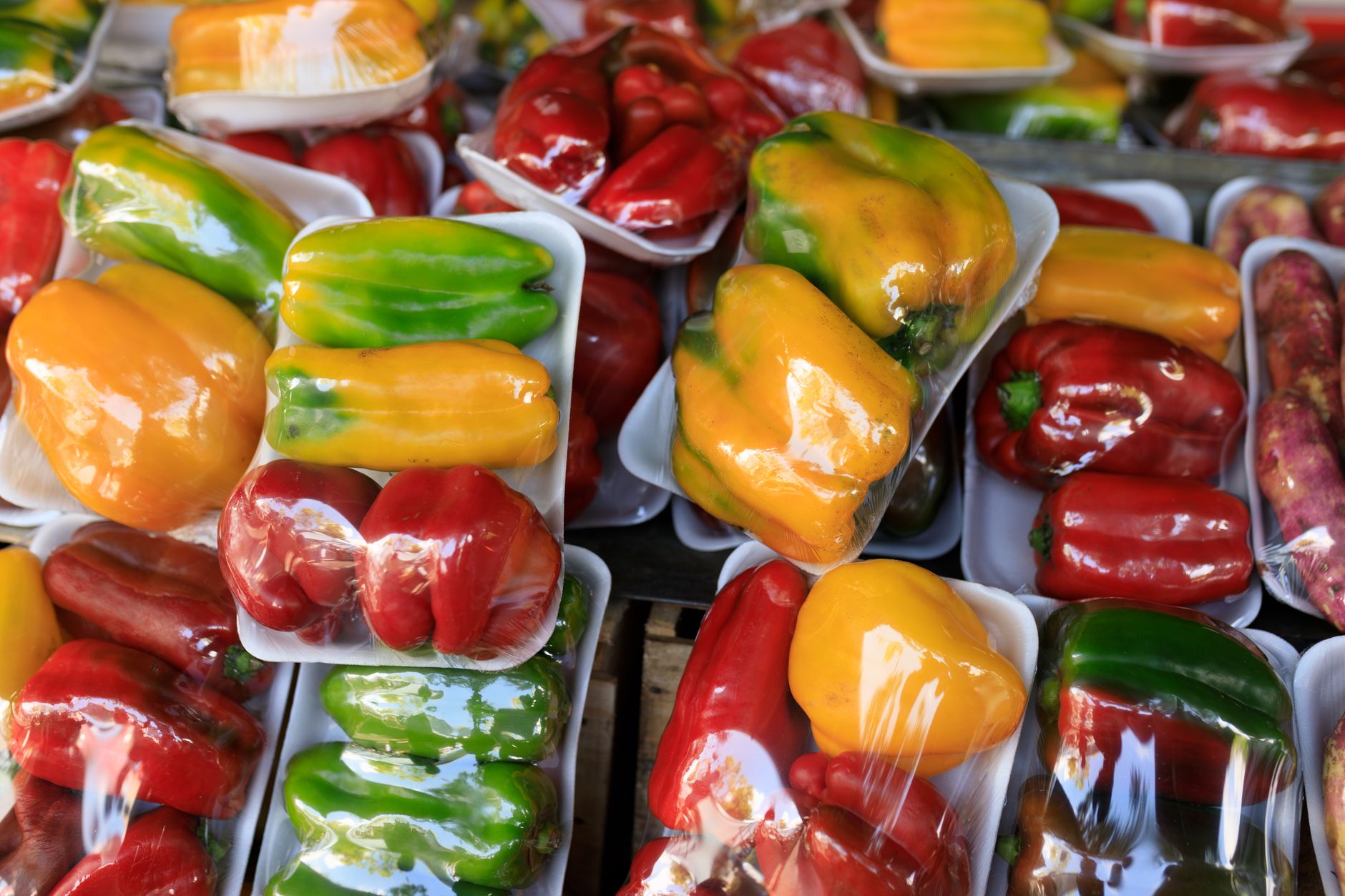
Bell peppers are a versatile and colorful addition to many dishes, known for their sweet and slightly tangy flavor. They can be used in salads, stir-fries, stuffed, or grilled, making them a popular choice in kitchens around the world. However, understanding how long they last in the fridge is essential to avoiding waste and maintaining flavor.
This article will explore the shelf life of bell peppers, methods for extending their freshness, signs of spoilage, and practical storage tips. Whether you’re buying bell peppers in bulk or using them in various recipes, knowing their longevity can help you maximize your meal prep efforts.
How Long Do Bell Peppers Last In The Fridge?
Bell peppers typically last 1 to 2 weeks in the fridge when stored properly. Fresh, whole peppers can retain their quality longer, while cut or prepped peppers have a shorter shelf life of about 2 to 5 days. Proper storage is key to maximizing their freshness and flavor.
Factors Affecting the Shelf Life of Bell Peppers
Several factors influence how long bell peppers will last in your refrigerator:
- Freshness at Purchase: The age of the bell peppers when you buy them affects how long they last. Fresher peppers will last longer.
- Storage Conditions: Keeping bell peppers in the right environment, such as a crisper drawer of the fridge, can help extend their life.
- Type of Bell Pepper: Different colors (green, red, yellow, orange) may vary slightly in shelf life due to ripeness and sugar content.
Storage Tips for Bell Peppers
To ensure your bell peppers last as long as possible, adhere to the following storage suggestions:
- Whole Bell Peppers: Store them unwashed and in a breathable plastic bag or in the crisper drawer of your refrigerator. Avoid sealing them in airtight containers, as this can trap moisture and lead to spoilage.
- Cut Bell Peppers: If you have cut or diced bell peppers, place them in an airtight container lined with a paper towel to absorb excess moisture. Aim to consume them within 2 to 5 days.
- Blanching and Freezing: If you have an abundance of bell peppers, consider blanching and freezing them. Blanching briefly in boiling water preserves their color and texture, allowing them to be frozen for up to 6 months. This method is excellent for later use in soups or stir-fries.
Signs of Spoilage in Bell Peppers
Recognizing the signs of spoilage is crucial for food safety. Here are some indicators that bell peppers have gone bad:
- Softness or Wrinkling: Fresh bell peppers should feel crisp. If they begin to soften or wrinkle, it’s a sign that they are losing freshness.
- Discoloration: Fresh bell peppers have a vibrant color. If you notice dull patches, dark spots, or mold growth, discard them.
- Off Smell: A sour or off smell is a sign that the pepper is no longer safe to eat.
Using Leftover Bell Peppers
If you find yourself with some leftover bell peppers nearing their shelf life, consider these ideas to prevent waste:
- Stuffed Peppers: Use them in recipes like stuffed bell peppers, filled with a mixture of rice, meat, and spices. This dish not only uses up leftovers but is also highly customizable.
- Vegetable Stir-fry: Incorporate them into a stir-fry with other vegetables and proteins for a quick and healthy meal.
- Grilled or Roasted: Cut bell peppers into strips or chunks, brush with olive oil, and roast or grill them as a side dish or topping for salads and sandwiches.
Freezing Bell Peppers
To extend the shelf life of bell peppers, freezing is an effective method. Follow these steps to freeze bell peppers correctly:
- Wash and Cut: Start by washing the bell peppers thoroughly. Cut off the tops, remove the seeds, and chop them into your desired size.
- Blanch: Bring a pot of water to a boil. Add the chopped bell peppers and blanch them for 3 minutes to preserve their color and flavor.
- Cool Quickly: Immediately transfer the blanched peppers to an ice bath to stop the cooking process. Drain them well.
- Bag and Freeze: Pack the cooled bell peppers into freezer bags or airtight containers, removing as much air as possible before sealing. Label with the date and contents.
Bell Pepper Varieties and Their Differences
Understanding the different varieties of bell peppers can help you choose the best ones for your needs:
- Green Bell Peppers: These are the least ripe and have a slightly bitter flavor. They are often less expensive and commonly used in salads and stir-fries.
- Red Bell Peppers: Fully ripened green bell peppers, red bell peppers are sweeter and more flavorful. They are great for roasting or eating raw in salads.
- Yellow and Orange Bell Peppers: These varieties fall between green and red in terms of ripeness and flavor. They offer a unique sweetness and are visually appealing in dishes.
Cooking Tips for Bell Peppers
When cooking with bell peppers, consider the following tips for enhancing their flavor and texture:
- Roasting: Roasting bell peppers brings out their natural sweetness and adds a smoky flavor. Cut them into halves or quarters, brush with olive oil, and roast until tender.
- Sautéing: Sautéing bell peppers with onions and garlic can create a delicious base for many dishes, such as fajitas or pasta.
- Raw Uses: Fresh bell peppers can be sliced into strips and served with dips or chopped into salads to add crunch and color.
Meal-Planning with Bell Peppers
Incorporating bell peppers into your meal plan can provide variety and nutrition. Here are some ideas for effective meal planning:
- Batch Cooking: Dice several bell peppers at the beginning of the week to add to various meals, such as omelets, stir-fries, and salads.
- Ingredient Pairing: Combine bell peppers with other ingredients that have similar shelf lives, such as onions and carrots, to streamline meal prep and ensure nothing goes to waste.
- Freezer Meals: Prepare freezer-friendly meals using cooked bell peppers, such as chili or casseroles, which can be frozen for later use.
Conclusion
Bell peppers are a convenient and nutritious vegetable that can last up to two weeks in the fridge when stored correctly. Understanding how to store, recognize spoilage signs, and use them creatively in your meals will help you not only keep your kitchen stocked but also minimize waste.
For versatile recipes and meal ideas, explore what to serve with stuffed peppers or try out our unstuffed peppers recipe for a quick dinner solution!