
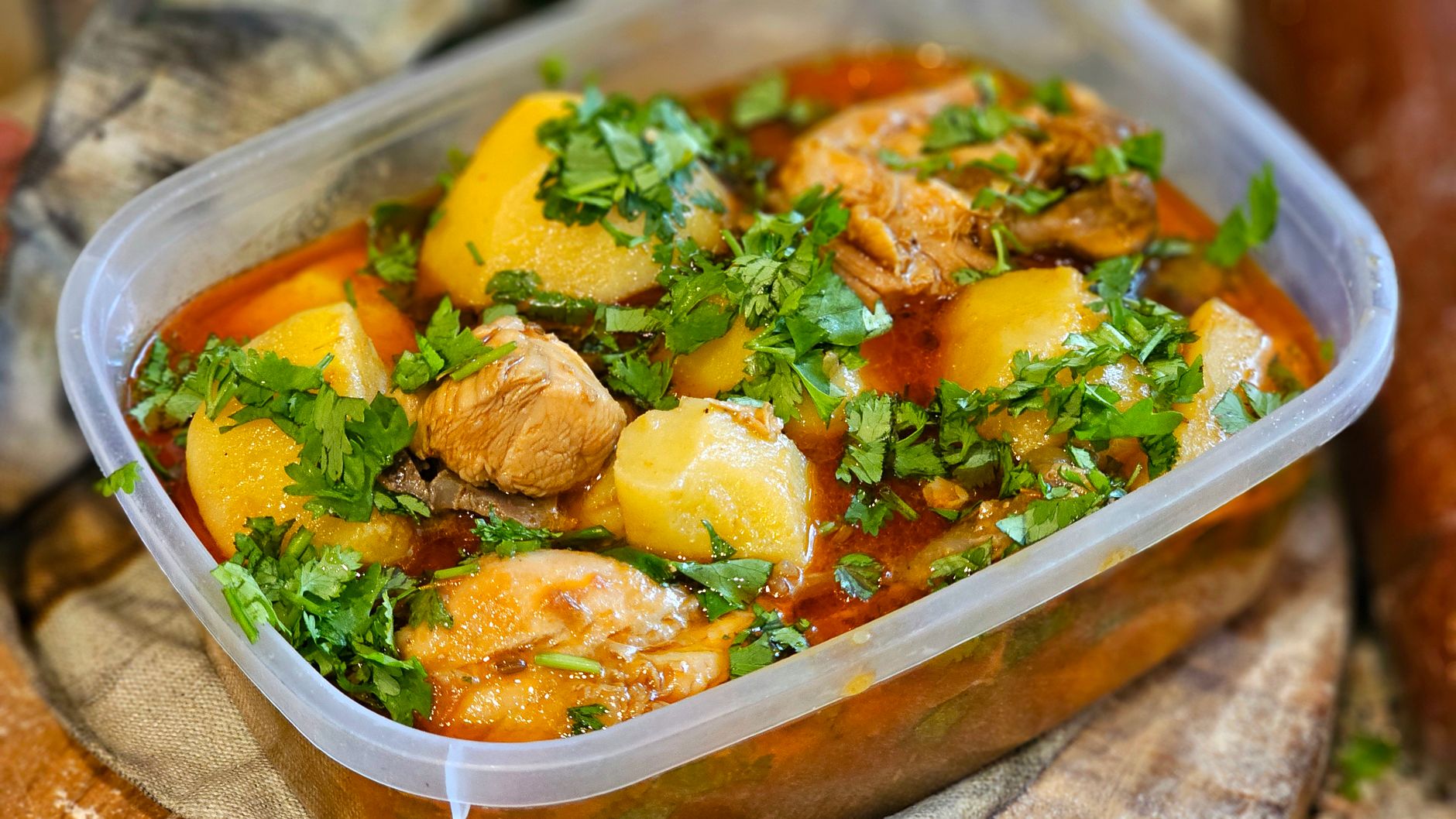
The aroma of turkey roasting in the oven signals that a festive feast is on the way, often resulting in large quantities of leftovers. Knowing how long you can safely eat turkey leftovers is crucial to prevent foodborne illness while maximizing the enjoyment of your holiday meal.
In this comprehensive guide, we’ll explore food safety guidelines, ways to store and use leftover turkey, and some delicious recipes to extend its life in your kitchen. With the right knowledge, you can savor every bite of that turkey long after the celebration ends.
How Long Can You Eat Turkey Leftovers?
You can safely consume turkey leftovers for up to four days if stored properly in the refrigerator. For longer-term storage, leftovers can be frozen for up to six months without significant loss in quality.
Storing Turkey Leftovers Safely
Proper storage is vital to prolong the shelf life of turkey leftovers and maintain food safety. Follow these steps to ensure your turkey remains delicious and safe to eat:
- Cool Quickly: After the meal, allow the turkey to cool at room temperature for no more than two hours before refrigerating. Use shallow containers to speed cooling.
- Use Airtight Containers: Store turkey in airtight containers or tightly wrap it in aluminum foil or plastic wrap. This prevents moisture loss and protects it from contaminants.
- Label and Date: Always label containers with the date when the turkey was stored. This will help you keep track of how long it has been in the fridge or freezer.
- Refrigeration Temperature: Ensure your refrigerator is set to 40°F (4°C) or lower to inhibit bacterial growth.
When to Discard Turkey Leftovers
If turkey leftovers have been in the refrigerator for more than four days or you notice any signs of spoilage, it’s safer to discard them. Look for:
- Unpleasant odors.
- A change in texture, such as sliminess.
- Changes in color, such as grey or green spots.
Freezing Turkey Leftovers
If you won’t be consuming the turkey within a few days, freezing is an excellent option. Here’s how to do it:
- Portion Appropriately: Divide turkey into meal-sized portions for easy thawing and cooking.
- Wrap Well: Use freezer-safe bags or aluminum foil, ensuring as much air as possible is removed to prevent freezer burn.
- Mark Freezer Date: Just like with refrigeration, labeling is essential for tracking how long the turkey has been in the freezer.
Thawing Turkey Leftovers
When you’re ready to use frozen turkey, it’s essential to thaw it safely:
- In the Refrigerator: This is the safest way. Plan for 24 hours of thawing time for every 4-5 lbs of turkey.
- Cold Water Method: Place the wrapped turkey in cold water, changing the water every 30 minutes. This method takes about 30 minutes per pound.
- Microwave: While quick, this method can partially cook the turkey. Cook immediately after thawing.
Creative Ways to Use Turkey Leftovers
Rather than eating plain turkey for days, get creative with these ideas:
Turkey Soup
Turkey soup can be a comforting way to use leftovers. Simmer chopped turkey with broth, vegetables, and herbs to create a delicious meal.
Turkey Salad
Chop leftover turkey and mix it with mayonnaise, celery, grapes, and seasonings for a refreshing turkey salad. Serve on a bed of lettuce or as a sandwich filling.
Turkey Tacos
Shred the turkey and use it as a filling for tacos. Add fresh toppings like avocado, salsa, and cilantro for a tasty meal.
Turkey Casserole
Combine cooked turkey with pasta, vegetables, and a creamy sauce to create a hearty casserole, topped with cheese and baked until golden brown.
Turkey Fried Rice
Use stir-fried turkey with rice, vegetables, and soy sauce for a quick and satisfying dish. This is a great way to use up leftover rice, too!
Turkey Broth Recipe
Don’t forget that the carcass of the turkey can be used to make a flavorful broth. Here’s a simple method:
- Gather Ingredients: You’ll need the turkey carcass, water, carrots, celery, onion, garlic, and herbs.
- Prepare the Broth: In a large pot, combine the carcass with chopped vegetables and enough water to cover.
- Simmer: Bring to a boil, then reduce heat and let it simmer for at least 4 hours (or longer for best flavor).
- Strain: Remove the carcass and solids from the liquid. You can save the broth for other recipes.
Common Mistakes with Turkey Leftovers
While it’s easy to enjoy turkey leftovers, here are some common mistakes to avoid:
- Not Storing Promptly: Leaving turkey out for too long after cooking can lead to quick spoilage.
- Overlooking Dates: It’s crucial to keep an eye on how long the turkey has been stored.
- Thawing Incorrectly: Always use safe thawing practices to avoid bacteria growth.
Reheating Turkey Leftovers
To enjoy your turkey again, reheating must be done properly. Follow these tips:
- Use the Oven: Preheat the oven to 325°F (165°C) and cover the turkey with foil to prevent drying out. Heat until it reaches an internal temperature of 165°F (74°C).
- Microwave: Cut turkey into smaller pieces for even heating. Use a microwave-safe dish and cover it with a lid or microwave-safe wrap.
- Stove Method: Heat on low with a small amount of broth or water in a pan, stirring frequently to keep it moist.
Using Leftover Turkey in Meal Planning
Integrating turkey leftovers into your weekly meal plan can boost variety and save time. Here’s how:
- Plan for Different Uses: Designate meals for soup, salad, stir-fries, and sandwiches throughout the week.
- Batch Cooking: Prepare extra servings of dishes that can be frozen for future meals.
- Cross-Utilization: Use turkey in multiple dishes with complementary flavors to keep meals exciting. For example, use turkey in a Mexican dish one day and a comforting casserole the next.
Summary of Turkey Leftover Guidelines
Here’s a quick reference for turkey leftovers:
| Storage Method | Time Frame |
|---|---|
| Refrigerator | Up to 4 days |
| Freezer | Up to 6 months |
| Safe Reheating Temperature | 165°F (74°C) |
With these guidelines, you can make the most of your turkey leftovers while ensuring safety and deliciousness. Remember to store them properly, think creatively about cooking, and enjoy the versatility of turkey in new dishes.
For more culinary insights, check out our guide on how long to deep fry a turkey and learn to make a comforting turkey broth recipe.